People usually search for lawyers in stressful situations, such as after an accident, during a divorce, when facing any criminal charges, or while facing hurdles in immigration.
Because legal advice can have a significant impact on someone’s life, Google treats legal websites as part of the YMYL (Your Money or Your Life) category. It means Google may only rank legal pages that show real trust, expertise, and credible signals from the relevant websites.
To rank in legal search, you require high-quality backlinks from reputable, relevant websites. Backlinks from trusted sources signal to Google that your firm is credible, recognized, and trusted.
What you’ll learn:
- Understand what exactly link building is for lawyers and why it matters more for legal websites.
- You’ll get the 10 strategies that are safe, ethical, and designed for you to implement and get the desired results.
- Some quick, ready-to-use outreach templates of pitch and doing outreach the right way.
- Some common mistakes that law firms make and how to avoid them.
What is Link Building for Lawyers?
Link building for lawyers involves earning backlinks from reputable, relevant sites. Think of backlinks as a vote of confidence. When a trusted website links to your firm, it signals to Google: the firm is trustworthy, knowledgeable, and worth ranking.
This matters because the legal industry falls under YMYL. Google is cautious about ranking legal content because bad or false legal advice can seriously harm people. So Google looks for strong credibility signals before it ranks a law firm highly.
Relevant backlinks help to build authority and improve rankings for local searches like “best divorce lawyer near me” or “injury attorney in [city],” and can reduce your reliance on paid ads.
State Bar Advertising Compliance – Read This First
Most state bar associations treat your website, guest posts, and content as advertising. That means link building must follow your state’s Rules of Professional Conduct.
Common compliance mistakes to avoid:
- Using terms like expert, specialist, or best without formal certification.
- Missing required disclaimers (for example, “Attorney Advertising” in some states).
- Sharing case results or testimonials without noting that results may vary.
- Not listing a responsible attorney for website content.
When in doubt, check your state bar rules before publishing.
Understanding Link Fundamentals
Before you start building links, you need to understand how different types of links work. This knowledge directly changes how you prioritize your time and effort.
Do-Follow vs. No-Follow Links
Do-follow links are the default type of link on the Internet. When a website links to yours with a dofollow tag, Google counts it as a positive trust signal.
These links pass “link equity,” a portion of the linking site’s authority and trust to your site, and help improve your search rankings.
No-follow links include a tag in the code that tells Google: “Do not count this link as an endorsement.”
Google does not pass link equity through no-follow links. But they can still drive real traffic to your site and build brand awareness. Many high-value sources, such as the Better Business Bureau, Reddit, and some news sites, use nofollow links by default.
Practical Takeaway
Aim for do-follow links where you can, but do not skip no-follow opportunities from trusted, relevant sources.
Links vs. Referring Domains
A referring domain is a unique website that links to you. You might have 500 links from Justia’s directory, but that is still just one referring domain.
Co-Citations and Implied Linking
Co-citation means your firm is mentioned alongside other authoritative brands, with or without links. Google understands these associations and can use them as a ranking signal. This concept is sometimes called “implied linking.”
For example, if a legal blog writes about top personal injury attorneys in Chicago and mentions your firm by name alongside two other firms, Google registers that association even if there is no clickable link.
Anchor Text
Anchor text is the clickable words in a link. It tells Google and the reader what the linked page is about.
Using natural anchor text is essential for law firms because Google flags unnatural patterns, which can affect your credibility.
Here’s an example of a good anchor text:
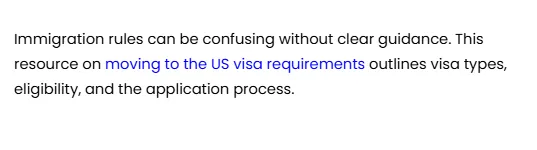
Bad anchor text:
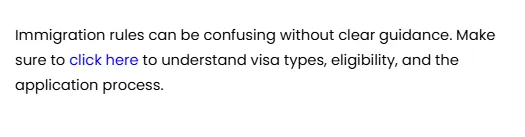
Anchor Text Mix – The 33/33/33 Rule
33% Branded: Your firm’s name. Example: “Smith & Associates” or “contacted our legal team.”
33% Keyword Variations: Natural phrases related to your practice. Example: “experienced personal injury attorneys” or “a car accident lawyer in Chicago.”
33% Generic/Contextual: Phrases like “read more here,” “according to legal experts,” or “this comprehensive guide.”
Do not overload any single category. If a high percentage of your backlinks use identical anchor text, Google will flag your link profile as manipulative.
Why Internal Links Matter
When another website links to one of your pages, that page receives a boost in authority. But here is something most lawyers do not know: you can spread that authority to other pages on your own site using internal links.
For example, say you earn a strong backlink to your “Car Accident Guide” page. If that page internally links to your “Car Accident Lawyer” practice page and your “What to Expect” page, some of that earned authority flows through to all of them.
One well-placed backlink can benefit your entire site if your internal links are set up correctly. Make sure every page that might earn a backlink has clear, logical internal links to your most important practice area pages.
The 10 Most Effective Link Building Strategies for Lawyers
Here are 10 proven link-building approaches for law firm websites that focus on trust, editorial value, and long-term results
These methods are ideal for personal injury, criminal defense, immigration, family law, employment law, business law, real estate, and bankruptcy law.
1. Guest Posting on Relevant Industry Websites
Guest posting for law firms involves writing high-quality, expert content for reputable, field-relevant sites and earning a link back to your own site as part of that content.
Publishers in the legal space are looking for content that is accurate, well-written, and genuinely useful to their readers. They are not interested in promotional material. When you contribute high-quality content, you earn an editorial backlink.
Here’s How Guest Posting Works:
Step 1: Find relevant websites
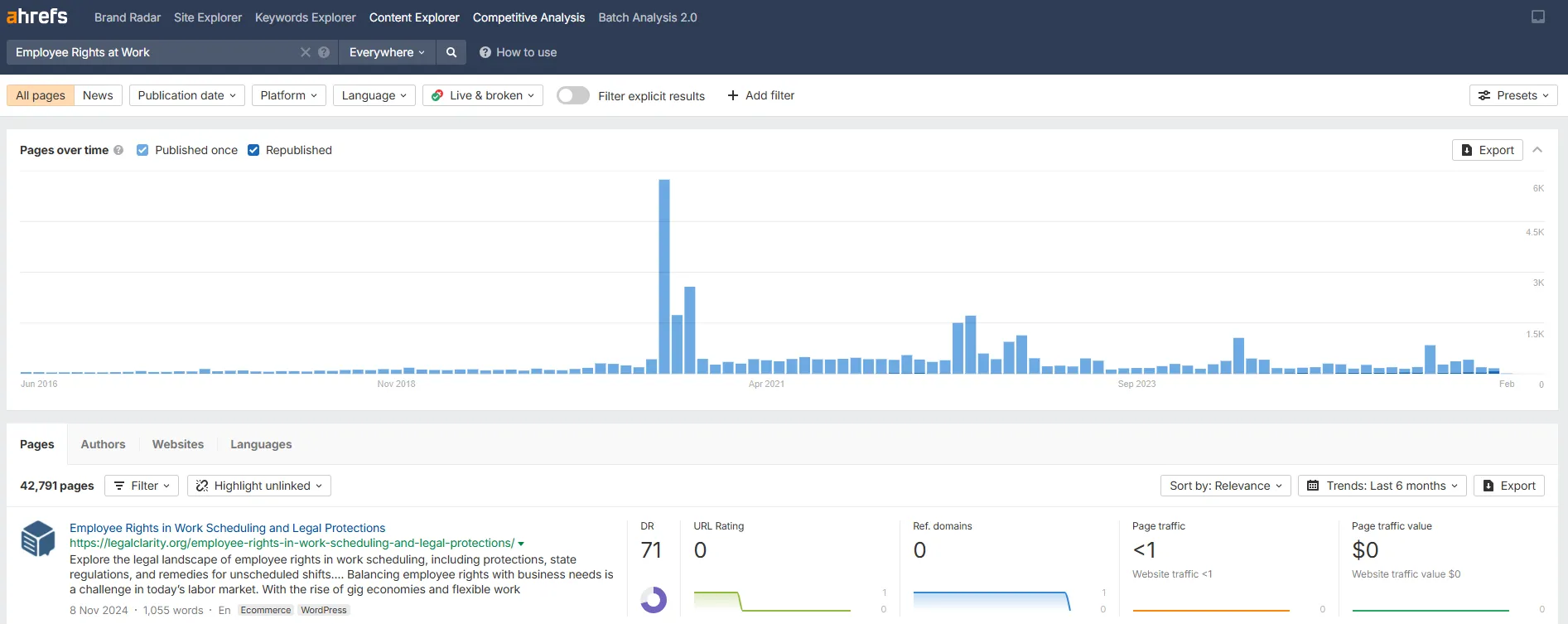
Start by identifying relevant websites in your niche. You can use tools like Ahrefs and Google search operators.
Ahrefs
Ahrefs is an SEO tool that analyzes keywords, rankings, and competitors, and can help you find articles that already discuss topics related to your expertise.

Search in the content explorer tab for existing articles on topics like “what to do after a car accident” or “employee rights at work.” Filter results by traffic and domain quality to find the best opportunities.
Google Search Operators
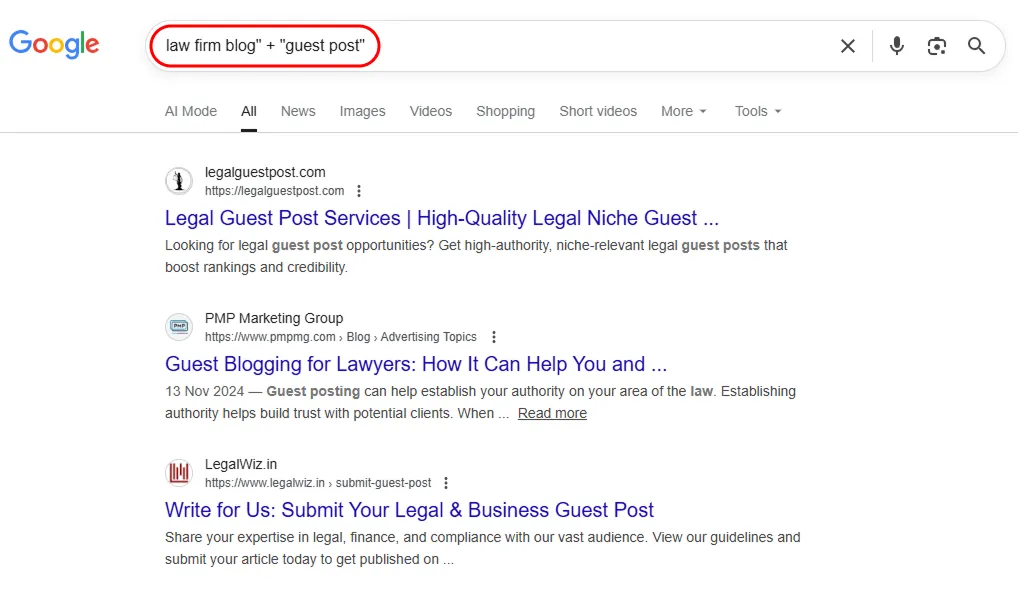
Use special search shortcuts to find guest posting opportunities directly.
- Family law + “write for us”
- law firm blog + “guest post”
Step 2: Audit the website
Before you reach out, use Ahrefs to verify it gets real organic traffic. You must ensure that the backlink profile is free of spam and avoid any casino, CBD, or gambling links.
A clean, trustworthy website will give you a valuable link; a spammy one could actually hurt your rankings.
Step 3: Reach out
Once you find a suitable guest post opportunity, contact the website owner or editor and request permission to contribute your article
Here is an outreach template you can use.
Subject: Guest Post Idea for [Site Name]
Hi [First Name],
I’d love to contribute a short, educational guest post for [Site Name].
I’m an attorney specializing in [area], and I think a piece on [topic] would be really valuable for your readers.
Happy to tailor the topic to what your readers need most.
Best,
[Your Name]
Step 4: Write Helpful and Non-Promotional Content
Your article must be simple, and make the readers understand complex concepts:
- Use plain English language without any jargon.
- Offer actionable advice.
- It should not sound like a sales pitch.
Step 5: Link Placement
A link placed naturally within the main content is more valuable than one in a bio or footer. For law firms, it should appear in a relevant legal context.
2. Niche Edits (Contextual Link Insertions)
Niche edits involve placing your link inside an existing, relevant article, where it fits naturally within the surrounding content.
Instead of writing new content, you find relevant articles that have already been published and are ranking well on Google. Next, identify a section where your resource fits naturally, and ask the publisher to include it as a helpful reference.
Suppose there is an article explaining what to do after a car accident, and you have a detailed guide on filing injury claims; your guide is a natural addition. The article is already trusted by Google and already gets traffic, so a link from it carries real weight.
In the example below, an existing Bangkok travel guide includes a contextual link to cooking classes in Bangkok, added naturally within the content where it fits the topic.

How Niche Edits Works:
Step 1: Find Relevant Articles
Search for articles in your niche that cover topics related to your practice.
Step 2: Identify Natural Link Opportunities
Identify places where your resource naturally adds value to an existing article and helps readers understand the topic better.
Step 3: Reach out
Use Hunter.io to find the editor or manager’s email address, then reach out with a brief message explaining how your content enhances their page.
Here is an outreach template you can use :
Subject: Helpful resource for your [Article Topic] piece
Hi [Name],
I noticed your article on [topic] and found it really helpful. I recently published an updated, attorney-reviewed guide on [related topic] that clarifies [specific aspect].
It might help your readers in gaining accurate legal information: [URL]
Would you be open to adding it as a reference?
Thanks,
[Your Name]
Common Mistakes to Avoid With Niche Edits
- Do not ask for exact keyword-match anchor text; it looks unnatural and spammy.
- Do not link to your homepage; link to a specific, helpful resource.
- Do not use the exact anchor text on multiple sites; vary it each time.
3. Resource Page Link Building
Resource page link building involves getting your guides or educational content listed on resource pages maintained by universities, nonprofits, and community organizations.
These pages are created to help the public find reliable information, not to promote business. Resource pages provide long-term, stable links from trusted sources.
How to Work with Resource Page Link Building
Step 1: Find Resource Pages
Search for resource pages that list helpful content and link out to trusted external sources.
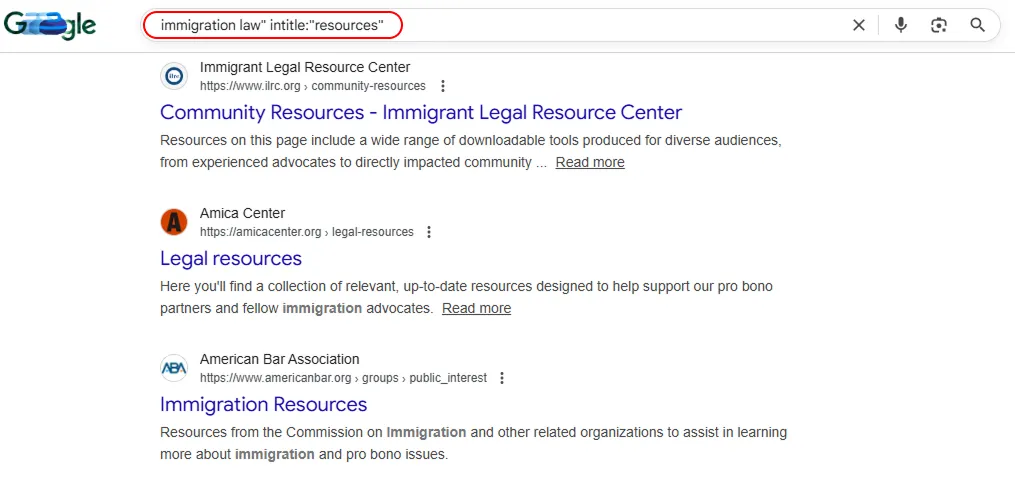
Use Google search operators to find pages that already link to helpful external guides.
- keyword inurl: “useful links”
- keyword intitle: “resource page”
Step 2: Identify Gaps
- Outdated Checklists
Many of the resource pages link to old legal guides that have not been updated in years. If your guide is recently published or updated and location-specific, it can be a strong replacement. - Missing Attorney-Verified Content
Many resource pages link to general advice or government articles that don’t clearly explain legal rights. A guide reviewed by an attorney fills that gap. - Missing subtopics
Some resource pages often miss out on important subtopics. Topics like the “tenant rights” page might not cover what to do when a landlord fails to maintain heat. If your guide addresses that, it is a natural addition.
Step 3: Create High-Value Resources
Make sure your content truly adds value and is relevant. Keep it clear, accurate, educational, and natural not promotional.
Step 4: Outreach Template
Here is an example template you can use.
Subject: Updated resource for your [topic] page
Hi [Name],
I manage the legal resources page at [Organization] and noticed your excellent collection on [topic].
I recently created an attorney-reviewed guide on [specific topic] that might help your audience: [URL]
It includes [a specific helpful element, such as a checklist or template].
Would it fit your resource list?
Best regards,
[Your Name]
4. Broken Link Building
Broken link building is the process of identifying broken links on relevant websites and suggesting your updated content as a replacement.
Legal information frequently changes, as laws change and sites disappear. As a result, many websites unknowingly link to the content that is no longer accurate or accessible.

Instead of asking for a link, you help the site owner fix a problem by serving them a relevant and valuable alternative.
How You Can Find Broken Links
Step 1: Find Broken Links
You can use tools like Ahrefs, Check My Links, and Dead Link Checker to find broken links.
Ahrefs
Ahref’s “site explorer” feature shows all broken outbound links on a website. You can scan an entire domain at once and see which pages are returning 404 errors.
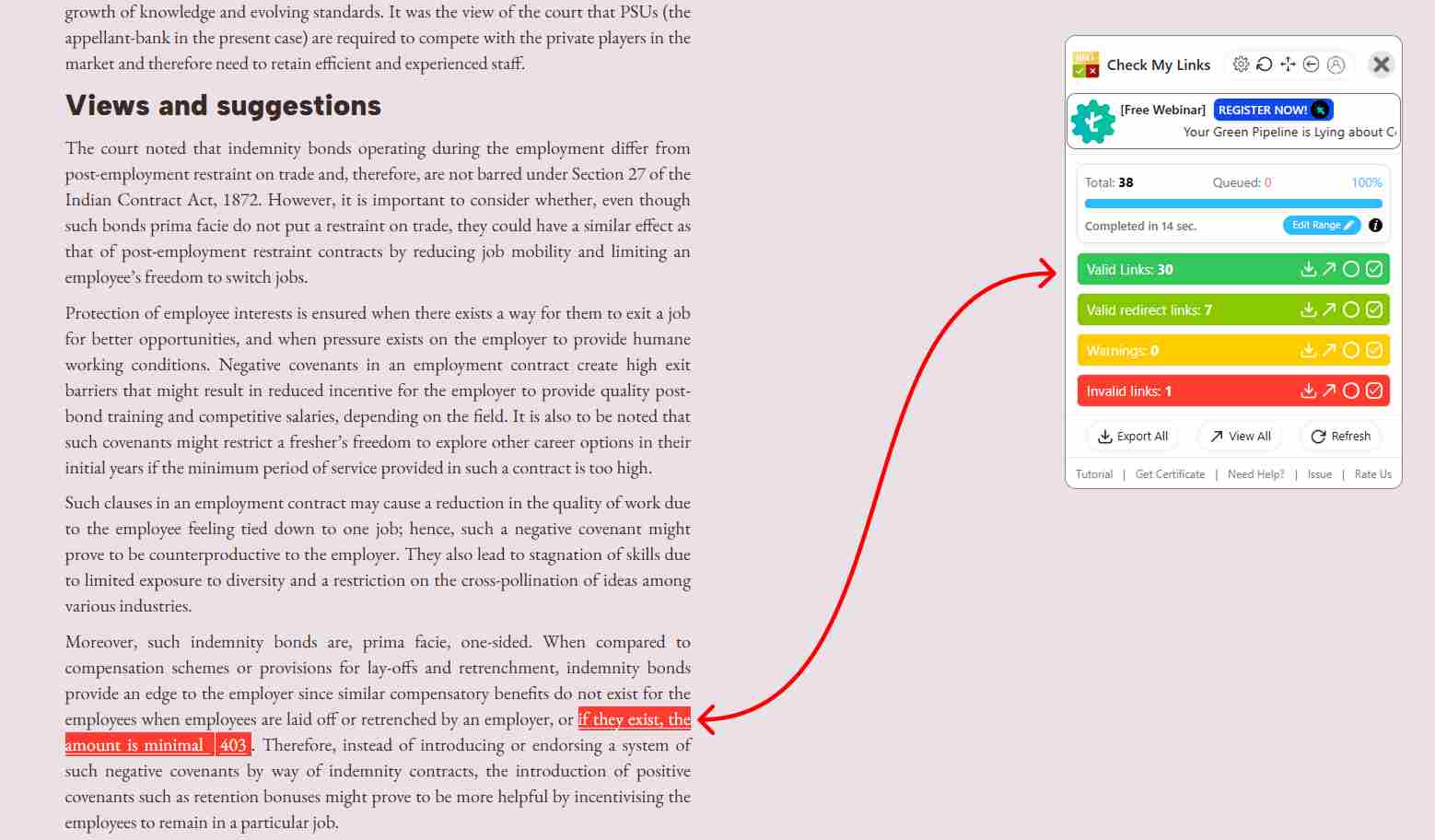
Check My Links
Check My Links is a free Chrome extension. Open a webpage, click the extension, and it highlights all links in green (working) or red (broken).
Step 2: Create Relevant Content
Check if you already have a relevant page that can replace the broken link. If not, create new, helpful, and updated content.
Step 3: Reach out
Contact the website owner or editor. Let them know about the broken link and politely suggest your content as a useful replacement.
Subject: Found a broken link on your [topic] page
Hi [Name],
I was researching [topic] and found your resource page really helpful.
I noticed one of your links to [old resource] appears broken. I recently created an updated guide on the same topic that might work as a replacement: [Your URL]
Either way, thought you’d want to know about the broken link!
Best,
[Your Name]
5. Local Authority Outreach
Local authority outreach is the process of building links from trusted local sources such as local news sites, community organizations, and local business directories.
Local visibility is important because most clients search for lawyers in a specific city or area. Local backlinks strengthen your firm’s connection to a specific region, helping validate that your firm is a reliable and active local business.
The image shows a New York State Courts (.gov) page linking to official lawyer referral resources. Such government pages are strong local authority sources that help build trust and local relevance.
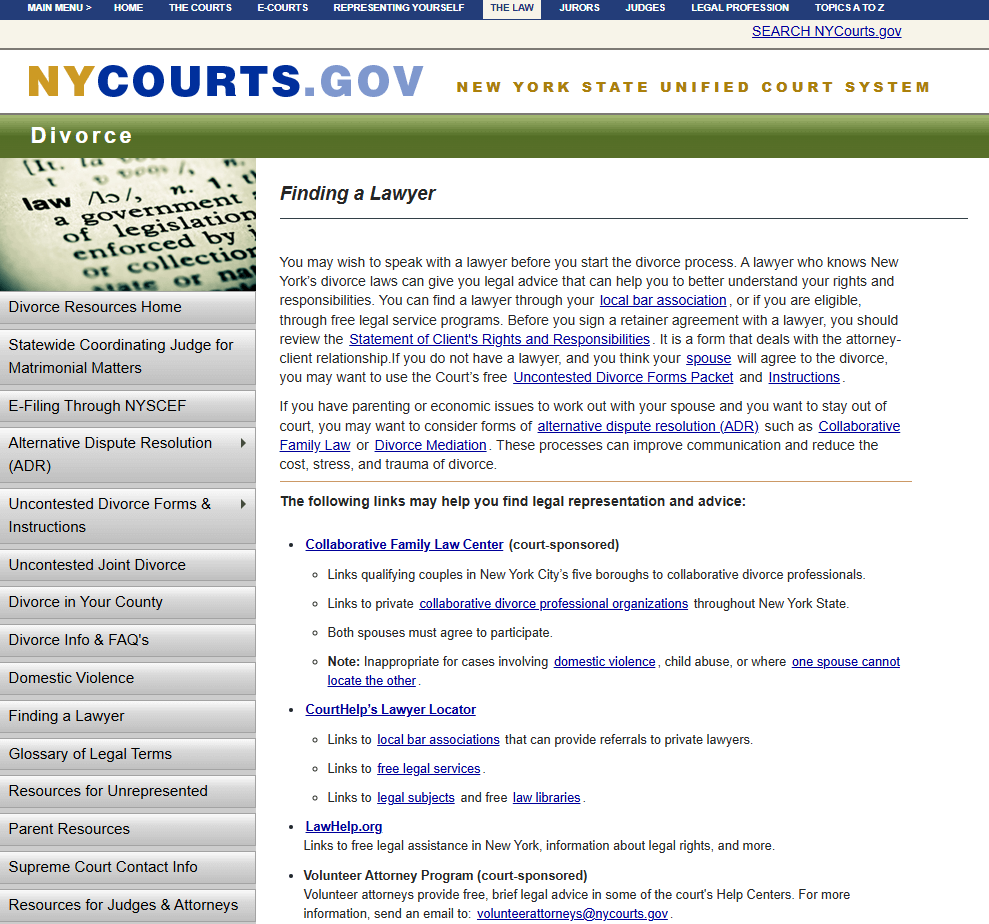
When Google notices that your firm is mentioned consistently by respected local sources, it is more likely to show your firm in nearby searches.
Ways to Strengthen Local Authority
Participate in Local Events
Host or sponsor an immigration awareness workshop or event. When local organizations mention your firm on their websites, that is a valuable local backlink.
Provide Value to Community Groups
Offer free legal resources and guides to local business associations. Many of these groups maintain websites and newsletters that list helpful resources.
Respond to Local Journalists
Local reporters constantly cover legal issues. When legal rights or responsibilities aren’t clearly explained. Reach out and offer your expertise.
Get Listed in Local Business Directories
Being listed in local directories confirms your firm’s location and credibility. Consistent business details across directories strengthen local trust and improve visibility.
You can get your business listed on the following:
- Chamber of Commerce directories
- Better Business Bureau (BBB)
- City government professional directories
- Local business association websites
Note About BBB Links
BBB links are typically no-follow links, which means they do not pass direct ranking power to your site.
However, they still add value by building trust, confirming your business is legitimate, and improving your local visibility. Do not skip them.
6. HARO & Expert Media Outreach
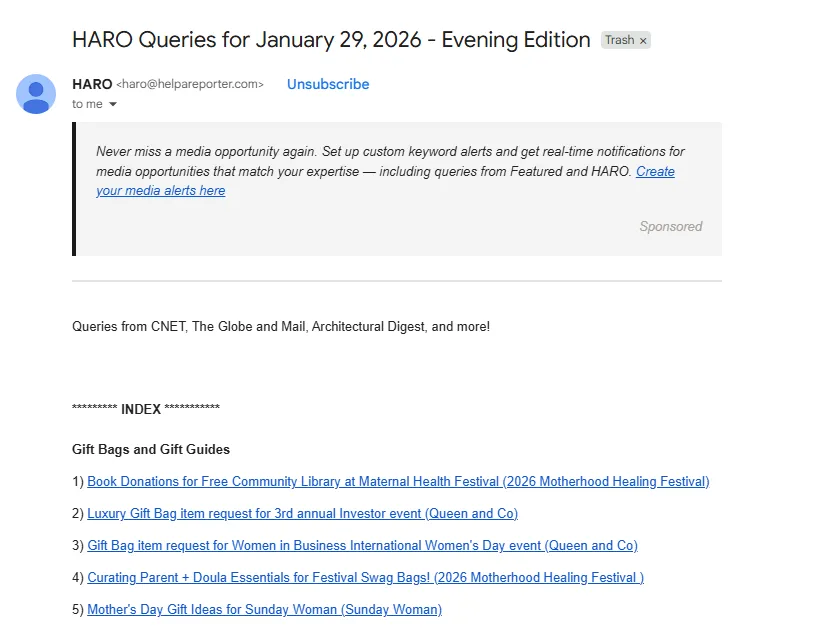
HARO is a platform that connects journalists looking for expert insights with professionals who can provide them.
And for lawyers, it means responding to the journalists’ questions with a clear, understandable, legally accurate quote.
When a reporter or journalist uses your quote, they often mention your name or your firm’s name and publish it on a news or media site. This gives you a backlink from a news or media publication, one of the most authoritative link types.
How to Reach Out as an Expert
Step 1: Sign Up for the Right Platform
Here is a list of platforms you can use to find journalists’ queries. You are not pitching a story; you are just responding to what the reporter needs.

Step 2: Set up the Filters
Choose topics that match your expertise so you get relevant journalist requests by daily email.
Step 3: Respond Quickly
Journalists receive dozens of responses and often close requests within hours. The best practice is to reply within 30 to 60 minutes of seeing the query.
Step 4: Provide Clear, Quotable Responses
Write your response so it can be pasted directly into an article. Include your full name, your title, a one-sentence summary of your expertise, and a clear answer in plain language. Avoid jargon, marketing language, and calls to action.
Here’s an example response you can use:
John Smith
Managing Partner, Smith & Associates Personal Injury Law
15+ years representing car accident victims in California
[Your answer to their question in 2-3 clear sentences]
Step 5: Follow Up Once
If you do not hear back within 3 to 4 days, one polite follow-up is fine. Multiple follow-ups can come across as pushy and may lower your chances of getting selected.
7. Trusted Legal Directory Placement
Legal directories like AVVO are specifically built to help people find and verify attorneys.
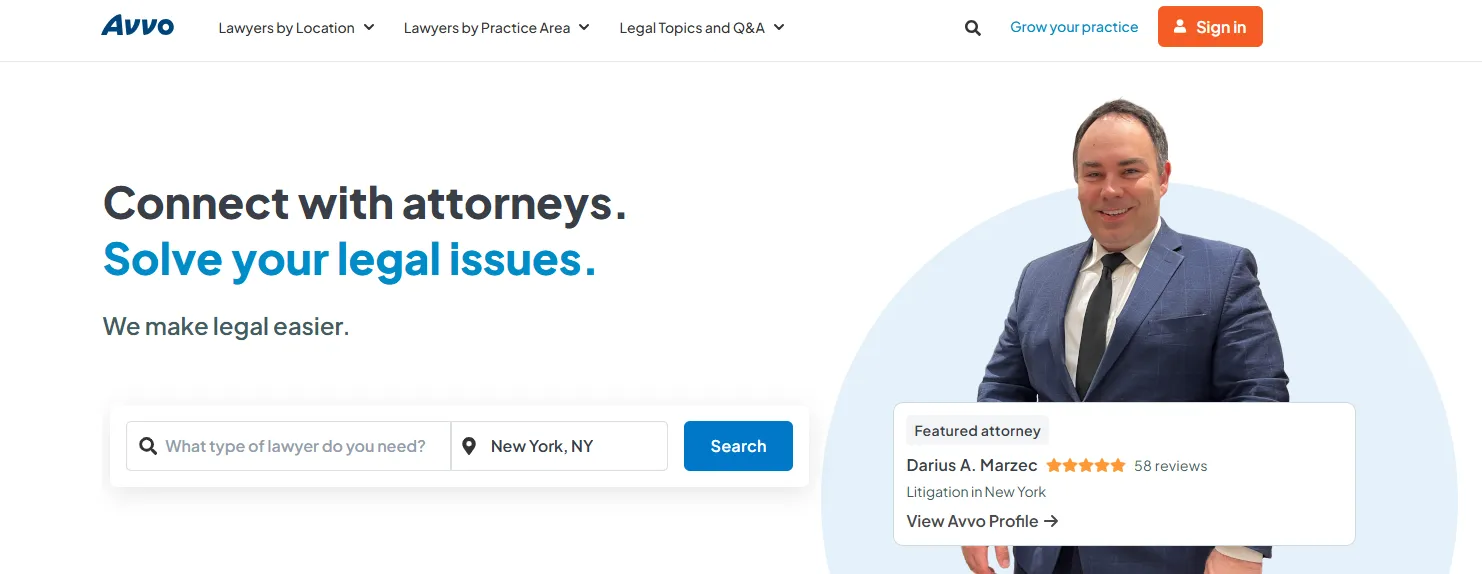
Google uses them to confirm that your firm is real, licensed, and operates where you say it does. A well-filled profile on a reputable legal directory is one of the most straightforward ways to build trust.
For law firms, visibility is not about ranking; it is about how reliable your business is.
When your law firm is consistently listed on various legal platforms, it signals that your attorneys are real and licenced, that your firm is operated in a specific jurisdiction, and that your service matches your practice field.
Below is the list of the best directories
Top-Tier:
Local/State:
- Your state bar directory
- County bar associations
- Local chamber of commerce
How to Register in These Directories:
Step 1: Complete Your Profile Fully
These legal directories only work as trust signals when your profile is accurate and complete. A partially complete profile can weaken the credibility and reduce its value.
You can include the following details in your directory profiles.
- Full legal name exactly as it appears on your bar registration.
- All the practice areas in which you work, not just a single service.
- Confirmed bar number and licensure, which validates your eligibility to practice.
- A high-quality professional photograph helps in improving trust and profile acceptance.
- A detailed bio explaining your background, focus areas, and years of experience in simple language.
- Education details and awards, certifications, recognitions, and honors.
Maintain Consistency in NAP
NAP stands for Name, Address, and Phone number. These are the business details that must match across all the directories where you register your company.
Even small differences — like “Street” vs. “St.” — can confuse Google and weaken your local rankings.
Step 2: Link to Specific Practice Pages
Do not just link to your homepage. Link to the specific practice area page that matches the directory’s focus.
If you are filling out your Avvo profile about car accidents, link to your “Car Accident Lawyer” page, not your main site. This makes the link more relevant for both Google and the people reading your profile.
Step 3: Encourage Reviews
Reviews are the bonus points that add an extra layer of credibility to your directory profiles. You can ask your clients to leave a review or provide feedback about your firm.
However, you should ask the clients only when:
- The client is satisfied to leave an honest review.
- Do not request fake or misleading reviews.
8. University & Alumni Link Building
University and alumni link building involves earning backlinks from law schools, universities, or professional associations.
These links often come from alumni directories, career outcome or placement pages, speaker listing or guest lecturer pages.
Educational institutions (.edu domains) are among the most trusted sources in Google’s algorithm. These links work well because they validate your academic background, confirm credentials, associate your firm with reputable institutions, and strengthen relevance.
How to Earn Links With Universities and Alumni Links
Step 1: Start with Schools You Already Know
Reach out to the universities or law schools you attended. Schools regularly highlight what their alumni are doing. Contact the school administration or the communications team. Ask to be included in alumni directories, notable graduates pages, or success stories.
Step 2: Offer Something Valuable
Universities appreciate alumni who stay engaged. When you contribute your knowledge, they may mention your name, bio, and a link.
Here are some ways you can contribute:
- Guest lectures for the students.
- Q&A interview for alumni magazines.
- Host webinars.
- Legal guides or educational resources.
- Career day or a mentoring session.
Step 3: Be Visibly Active
Links usually come in as a result of real involvement, not just direct requests. You are more likely to be mentioned when you.
- Speak at the local events or conferences
- Join the panel discussion
- Volunteer legal services
- Contribute to the published research or reports
Step 4: Consider Offering a Scholarship
Offering a scholarship is one way to earn .edu backlinks. Law schools and university scholarship directories will list your firm on their websites with a link.
Scholarship Link Building – Know the Risks
Google has flagged scholarship links as a manipulative tactic, and many universities now screen or nofollow them.
If you offer a scholarship, make it relevant to law students, actually award it, and keep it a small part of your overall link strategy.
One legitimate scholarship from a respected university is far more valuable than many low-quality listings.
9. Converting Unlinked Mentions to Backlinks
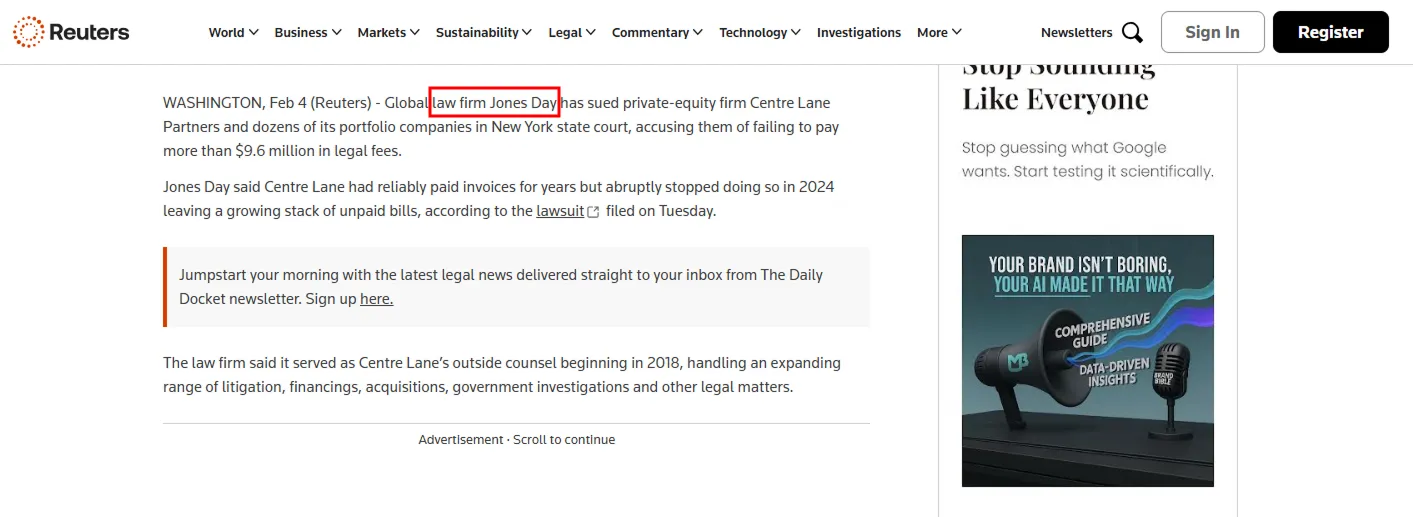
An unlinked brand mention occurs when a website mentions your firm or attorney in its content or on a page but does not include a link to your website.
This strategy is beneficial because the hardest part of getting mentioned is already done. You just need to reach out politely and ask if they can add a link so readers can easily find the original source.
Steps to turn mentions into backlinks
Step 1: Track Brand Mentions
Search for your firm name on Google or use monitoring tools to find mentions without links.
Here are some tools you can use:
- Google Alerts – to set alerts for your firm’s name so you get an email whenever your firm’s name appears online.
- Use Mentions to track brand mentions across blogs, news sites, and the web.
- Use Ahrefs to get notifications when new pages mention your brand or names you track.
You can set alerts for your law firm name, attorney names (specifically if you are a partner or a founder), different case names, or well-known matters you have worked on. These often get mentioned without links.
Step 2: Evaluate Each Mention
Check whether the mention is natural and positive, whether the website is reputable, and whether it is relevant. Skip spammy sites or scraped content.
Step 3: Send a Simple Request
Reach out to them politely. Thank them for the mention, explain how a link would help their readers, and ask them to add a clickable link.
Subject: Quick question about your recent article
Hi [Name],
Thanks for mentioning [Your Firm] in your article about [topic]. We appreciate the reference!
Would you be open to linking to our website so readers can access more detailed legal information? It helps ensure they get accurate, attorney-verified guidance.
Our site: [URL]
Thanks for considering!
Best,
[Your Name]
10. Strategic Content Marketing (Linkable Assets)
Strategic content marketing means creating such resources that are so useful, clear, and trusted that other websites naturally want to link to and refer to them.
These are not the regular blog posts that are written to publish content; they are linkable assets such as checklists, templates, data reports, and infographics that are designed to make it a go-to reference.
How to Create Linkable Assets
Step 1: Identify Content Gaps
The simplest way to start is to find out what people are searching for and which types of content in your niche naturally attract citations and backlinks from other writers.
Look for questions clients ask you repeatedly, articles on confusing topics, guides with outdated or non-specific content, and information divided across multiple pages.
Step 2: Create a 10 Times Better Version
Build the version of that content that is noticeably better than what already exists. Make it more accurate and easier to read. Include checklists, diagrams, tables, and images. Tell readers exactly what to do by making it actionable.
Step 3: Promote Strategically
You should promote the content strategically because even the best content needs visibility once published.
Reach out to bloggers who write about the related topics, reach out to the journalists who cover similar issues, share on the relevant legal or industry blogs, submit to the resource pages, and share through your firm’s social profiles.
Step 4: Update Regularly
Legal content often loses its value when it becomes outdated. To keep earning links, review your content periodically, update for law changes or new rules, refresh the old examples and statistics, and fix the broken references.
Here are some examples of the linkable assets that work well for law firms:
Research & Data
- “Personal Injury Settlement Timeline: Analysis of 500 Cases”
- “Immigration Processing Times: 2025 Data Analysis”
Comprehensive Guides
- “Complete Guide to Divorce in [State]: 50-Page Attorney Manual”
- “Small Business Employment Law Compliance Checklist”
Tools, Templates, and Visual Content
- Infographic: “What to Do After a Car Accident”
- Flowchart: “Should You File a Workers’ Comp Claim?”
Quick Reference: Strategy Comparison
Use this table to compare strategies at a glance and decide where to focus your effort first.
| Strategy | Difficulty | Safety | Impact | Best For |
|---|---|---|---|---|
| Guest Posts | Medium | High | ⭐⭐⭐⭐⭐ | Scalable authority building |
| Niche Edits | Medium | High | ⭐⭐⭐⭐⭐ | Fast ranking gains |
| Resource Pages | Medium | High | ⭐⭐⭐⭐⭐ | Long-term stable links |
| Broken Links | Medium | High | ⭐⭐⭐⭐ | Replacing outdated legal info |
| Local Outreach | High | Very High | ⭐⭐⭐⭐⭐ | Map Pack + local rankings |
| HARO/Media | Medium | Very High | ⭐⭐⭐⭐⭐ | E-E-A-T + trust signals |
| Legal Directories | Low | Very High | ⭐⭐⭐⭐ | Foundation trust |
| University Links | High | Very High | ⭐⭐⭐⭐⭐ | Premium authority |
| Unlinked Mentions | Low | Very High | ⭐⭐⭐⭐ | Easy quick wins |
| Linkable Assets | Medium | Very High | ⭐⭐⭐⭐⭐ | Long-term link magnet |
What to Build First: Your Link-Building Roadmap
Focus on the right foundation. Start with pages that clearly explain your practice areas, location, and services.
Then build links in stages from local, trusted sources before expanding to industry and media sites.
This approach helps Google understand your firm, trust it, and rank the right pages faster.
Follow this roadmap to build links in the right order.
Month 1-2: Foundation (Start Here)
Goal: Establish basic trust and verify your firm’s identity online.
Actions:
- Complete all major legal directory profiles (Avvo, Justia, FindLaw, Martindale)
- Verify the state bar listings
- Join the local chamber of commerce
- Claim the Better Business Bureau profile for your business
- Optimize your Google Business Profile
- Fix the NAP (Name, Address, Phone) inconsistencies across the web
Why this matters
Without the foundation steps, Google can’t verify your firm, and your practice pages won’t rank regardless of content quality.
Expected result
Improved brand recognition, more local and organic visibility, and consistent appearance for brand searchers
Months 3-5: Relevance & Early Growth
Goal: Build topical relevance and identify pages with ranking potential.
Actions:
- Guest posts on relevant legal and industry sites (2–3 per month)
- Niche edits from high-quality, relevant content (1–2 per month)
- Resource page placements from universities, nonprofits, and community sites (1 per month)
- HARO and journalist outreach (ongoing)
- Convert unlinked brand mentions into backlinks
- Promote one strong linkable asset (guide, checklist, or template)
Why this matters:
These links help Google understand your practice areas and strengthen topic relevance.
Expected result:
Early ranking movement and the idea of which pages have the chance to reach page 2 or 1.
Months 6-8: Authority & Scaling
Goal: Strengthen authority and push high-potential pages higher in search results.
Actions:
- Guest posts on higher-authority legal and industry sites (2–4 per month)
- Niche edits from authoritative, traffic-driving pages (2–3 per month)
- More selective resource page links (1–2 per month)
- Local partnerships, sponsorships, and event-based links
- Continue HARO outreach and brand mention reclamation
- Create and promote additional linkable assets if needed
Why this matters:
These links connect your practice areas to real-world authority and help competitive keywords move from page 3 to page 1.
Expected result:
Steady ranking improvements, increased organic traffic, and stronger visibility for local and service-based searches.
Target: 5–10 high-quality links per month across all tactics.
Month 9+: Expansion (Advanced)
Goal: Dominate competitive markets and outrank national competitors.
Actions:
- Secure university/alumni features
- Earn mentions from major publications
- Trusted, credible, and expert PR placements
- Industry magazine features
- Law school spotlights
- Expert legal commentary in major news
- Launch podcast or video content
Why this matters
These links are the hardest to get, but they provide long-term trust and credibility that competitors can’t easily replicate.
Expected result
Increase your chances of competing for the top spot on highly competitive terms and gain national-level visibility alongside your existing local presence.
Measuring Your Link-Building Results
Link building takes time, and it is important to know whether your efforts are actually paying off.
Here are the key metrics to track:
Referring domains
The number of unique websites linking to you. This is more important than raw link count. Track it monthly using Ahrefs or SEMrush.
Organic traffic
The number of visitors arriving at your site from Google. Check this in Google Search Console or Google Analytics. Look for upward trends over 3-month periods.
Keyword rankings
Track how your target keywords (like “divorce lawyer in [City]”) are moving in Google. Use SEMrush or Ahrefs Position Tracking.
Referral traffic
Visitors who arrive at your site by clicking a link on another website. If your backlinks are working, you should see this number grow. Check in Google Analytics.
Client inquiries
Ultimately, the goal is to get more clients. Track how many new inquiries or consultations your site generates each month. If organic traffic is rising but inquiries are not, your landing pages may need work.
How to Calculate Your ROI
Once you have been building links for 3 to 6 months, you can start estimating the return on your investment.
ROI Formula
ROI = (Revenue earned from new clients − Cost of link building) ÷ Cost of link building × 100
Suppose if your link-building effort costs $2,000 per month (your time + any tools), and over the next 3 months it generates 2 new clients worth $5,000 each:
Total revenue: $10,000 | Total cost: $6,000 | ROI: ($10,000 − $6,000) ÷ $6,000 × 100 = 67%
Even conservative numbers usually show a positive ROI within 6 months if your strategy is on track.
Common Link-Building Mistakes to Avoid
These are some common mistakes that cause law firms to either waste their efforts or get penalized by Google. Avoid every single one.
1. Buying Cheap Links
Avoid link farms, PBN networks, AI-generated guest post services, casino/CBD/gambling site links, and spam directories, as legal sites face severe penalties for paid links.
2. Overusing Exact-Match Anchors
Avoid using exact match anchors such as “best car accident lawyer Phoenix” and “top divorce attorney Seattle.” Instead, you can use the alternatives as guide titles, branded anchors, or natural phrases like “according to legal experts.”
3. AI-Generated Content Without Review
Every legal guest post must be factually correct, verified, and reviewed by an attorney because generic AI content can damage credibility.
4. Links From Irrelevant Sites
Avoid links from low-quality, foreign-language sites that are not relevant to your audience.
5. Spammy Directory Submissions
You should ignore bulk submission services, auto-approval sites, and foreign legal directories; stick to trusted, editorially reviewed directories only.
6. Assuming Popular Sites Are Trustworthy
A relevant and trusted site is more valuable than a site with a high score that is filled with spam or unrelated content.
7. Relying Only on Directories
Directories can be a source of reliability, but the real ranking comes from trusted mentions, relevant websites, local sources, and expert content.
8. Low-Quality Guest Posts
You should avoid generic templates, reused topics, AI content without expertise, and overly promotional writing. Guest post content should be original, helpful, and legally accurate.
9. Not Tracking Links
Most of the times links get removed, nofollowed, or moved to footers. You should ensure the links are visible and monitor them regularly. Check regularly using Ahrefs or Semrush.
10. Ignoring Local Signals
Most lawyer searches are local (in the city). Without local mentions and citations, your firm may not be visible in maps or in local search results.
12. Ignoring Toxic Backlinks
Spam links pointed at your site can trigger penalties. Audit your backlink profile and disavow any links that are not necessary.
Tools You’ll Need
Here is the list of tools you may require in link building campaign. Use these tools to make link building more efficient and organized.
Start with the free tools. Add paid tools as your link-building operation grows.
Essential (Free or Low-Cost)
| Tool | What It Does |
|---|---|
| Google Alerts | To track brand mentions |
| HARO | To look for journalist requests |
| Google Search Console | To monitor search performance |
| Check My Links (Chrome) | Use this to find broken links |
| Hunter.io | Helps you find contact emails |
Professional (Paid but Worth It)
| Tool | What It Does |
|---|---|
| Ahrefs | Use this tool for backlink analysis, content research, and competitor analysis |
| SEMrush | You can use this tool for keyword tracking and link monitoring |
| BuzzSumo | You can use this tool for keyword tracking and link monitoring |
| Whitespark | Use this tool for local citation building and management |
| Moz Link Explorer | Domain authority checking, spam score analysis, and link intersect. |
Nice to Have
| Tool | What It Does |
|---|---|
| Screaming Frog | Use this for technical site audits |
| Canva | You can use this to create linkable visual assets |
| Qwoted/Featured | For additional media opportunities |
Conclusion
Link building for lawyers is about earning trust, not just links. It is about building a strong foundation that supports trust, authority, and long-term growth.
By focusing on the right link-building strategies and avoiding risky shortcuts, law firms can build stronger visibility without risking penalties.
When done right, link building supports rankings, local presence, and long-term credibility, helping your firm get found by the people who need your services most.
Looking to improve your rankings and attract the right clients?
A focused link-building strategy can help. If you’d like to see how it applies to your firm, we can outline a plan tailored to your practice.
How long does link building take to show results?
Most law firms see the initial improvements in the first 3-6 months and strong ranking growth in 6-12 months. However, the competitive practice areas like personal injury require ongoing effort.
How many backlinks does a law firm need?
Quality is more important than quantity. For most firms, 5-10 high-quality, relevant links per month is enough for steady growth. But one authoritative link from a university can outweigh 100 directory links.
Are legal directories still useful?
Yes, top-tier legal directories such as Avvo, Justia, FindLaw, and Martindale are essential foundation links. They verify an attorney’s identity, bar information, and practice areas, and stick to reputable, editorially reviewed directories.
Do local links improve Map Pack rankings?
Yes, local links are among the strongest signals for Google Maps Pack visibility. Links from local news, chambers of commerce, and community organizations create powerful geographic trust signals.
Are HARO links valuable for legal SEO?
HARO links are extremely valuable because they come from editorial publications and news sites, strengthening E-E-A-T signals and organic trust.
Can bad backlinks hurt my legal website?
Yes, especially in legal SEO. Spammy or irrelevant links can cause ranking drops, manual penalties, and loss of local visibility. Recovery times are longer for legal sites than for other niches.
Should I mix different link-building strategies?
Yes, a balanced approach using Local + Authority + Practice-Relevant links can deliver the safest, strongest results. Avoid relying solely on directories or guest posts.
What’s the difference between a high-quality and a low-quality legal backlink?
For High-quality: Check if it is relevant to your practice area, has an editorial placement, comes from a trusted source with real traffic, uses natural anchor text, and is contextual.
For Low-quality: Check if they are of an irrelevant niche, a footer/sidebar link, from a spam site, an exact-match commercial anchor, or auto-approved.
How do I know if a website is good for guest posting?
You should check real traffic using tools like SimilarWeb/Ahrefs, audit quality content from real authors, ensure strong editorial standards, maintain a clean backlink profile, avoid casino/CBD, and implement a manual approval process.
What anchor text should I use for legal links?
You can use natural, varied anchors, guide titles, branded terms (“Smith Law Firm”), partial matches (“personal injury guide”), and topical phrases (“according to legal experts”). However, you should avoid exact-match commercial terms like “best car accident lawyer Phoenix.”
Should law firms build links themselves or hire help?
It depends on resources. DIY is possible for directories, HARO, and local outreach. Guest posting and niche edits often require more time and expertise. Many firms use white-label partners for scalability while handling local outreach internally.