A backlink is any link from one website to another.
If you want to rank higher, earn trust, and grow organic traffic, the right backlinks matter more than ever.
Backlinks come from many different places, and since not all work the same, understanding their types helps you focus on the links that support your rankings.
Backlinks are commonly classified into three major categories:
- By link attribute, which looks at how to identify the links, whether they are follow, nofollow, dofollow, sponsored, or UGC.
- The other type is how the link is earned, which considers whether it is editorial, outreach-based, or user-generated
- The last is by quality and risk, which evaluates whether the link supports rankings, adds value, or creates risks.
Backlinks come in various types, making it hard to know which to focus on and which to avoid. Choosing the wrong links can waste your efforts, bring in no real traffic or conversions, and risk penalties.
Key Takeaways:
- Backlinks help search engines understand which websites are trustworthy and relevant.
- Not all backlinks improve rankings, because only relevant, high-quality links add real value.
- Quality and relevance are more important than the number of links you build.
- Some backlinks can harm your site if they come from spammy or unreliable sources.
- Different types of backlinks serve other purposes, so choosing the right ones matters.
Types of Backlinks: Quick Overview
| Backlink Type | What It Is | SEO Value | Risk Level |
|---|---|---|---|
| Dofollow Links | Links that pass ranking signals | High | Low |
| Nofollow Links | Links that don’t pass link equity | Low | None |
| Sponsored Links | Paid or promotional links | None | Medium |
| UGC Links | User-generated links (comments, forums) | Low | Low |
| Editorial Backlinks | Naturally given links within content | High | Low |
| Guest Post Backlinks | Links earned by contributing articles | Medium–High | Low |
| Broken Backlinks | Replacing dead links with your content | Medium–High | Low |
| Resource Page Backlinks | Links from curated resource lists | High | Low |
| Niche Edit Backlinks | Links added to existing articles | Medium | Medium |
| PR Backlinks | Links from media & publications | High | Low |
| Business Directory & Citations | Listings on trusted directories | Low–Medium | Low |
| Social Media Backlinks | Links from social platforms | Low | None |
| Image & Video Backlinks | Links earned from reused visuals | Medium | Low |
| Testimonial Backlinks | Links from customer testimonials | Medium | Low |
| PBN / Link Farm Links | Artificial network-based links | None | High |
| Low-Quality Directory Links | Generic or spammy directories | None | High |
| Blog Comment Links | Links dropped in blog comments | None | High |
| Forum Profile / Signature Links | Profile or signature-based links | None | High |
| Social Bookmarking Links | Links from bookmarking sites | Low | Medium |
| Widget / Badge Links | Auto-embedded widget links | Low | High |
| Link Exchange | Reciprocal “you link to me” links | Low | High |
| Press Release Distribution Links | Syndicated press release links | Low | Medium |
| Over-Optimized Anchor Links | Keyword-stuffed anchor links | None | High |
| Sitewide Footer / Sidebar Links | Repeated links across all pages | Low | High |
Backlinks Classified by Link Attribute
One way to better understand backlinks is to study the attributes associated with each link. Link attributes matter because they tell Google how to treat a link and whether it should pass value, based on the attributes attached to it
Here are a few link attributes that explain how search engines treat different backlinks.
Dofollow Backlink (Follow)
A dofollow (or follow) link is a standard link that allows search engines to follow the link and pass equity to the linked page.
Dofollow links are the default type of link on the web. They do not use any special rel attributes.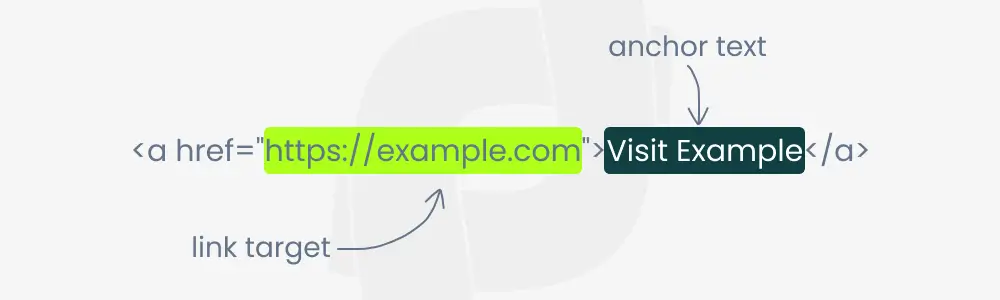
SEO values dofollow links because they can contribute to long-term ranking improvements. However, it is not a good idea to have a profile filled with only dofollow links, as it can appear unnatural to search engines and may trigger spam signals.
You can earn dofollow links through editorial placements from guest posts and other methods.
Backlinks with the rel=”nofollow” attribute
Backlinks with the rel=”nofollow” attribute tell search engines not to pass any link value to the page linking to it. These links don’t help with ranking, but people can still click and visit your site.
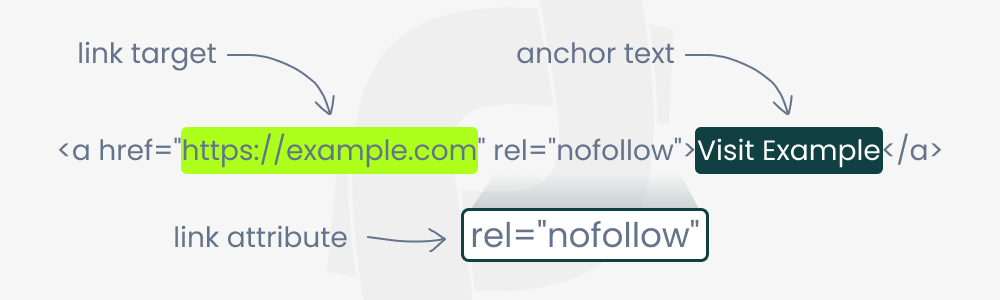
Even though nofollow links don’t pass link equity, they still add value by driving real traffic, supporting brand visibility, and contributing to a natural and trustworthy link profile.
Nofollow links commonly appear in blog comments, forums, and social media or discussion pages to prevent spam and unnatural linking.
Backlinks with the rel=“sponsored” attribute
Backlinks with the rel=”sponsored” attribute are used for paid, promotional, or sponsored links that are part of advertising campaigns.
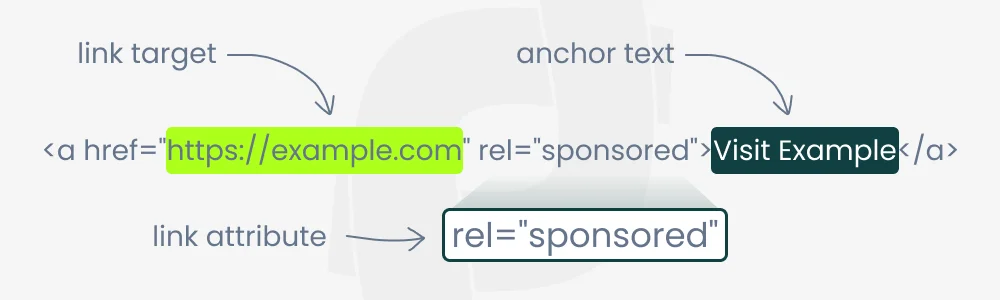
Google recommends using this attribute to clearly disclose paid links. This helps websites follow search guidelines and reduces the risk of penalties caused by link scheme violations.
Backlinks with the rel=“UGC” attribute
Backlinks with the rel=”UGC” attribute mark user-generated content, such as links in comments, forum posts, and community discussions on platforms like Reddit.
These links appear naturally as users reference your content in everyday online conversations.
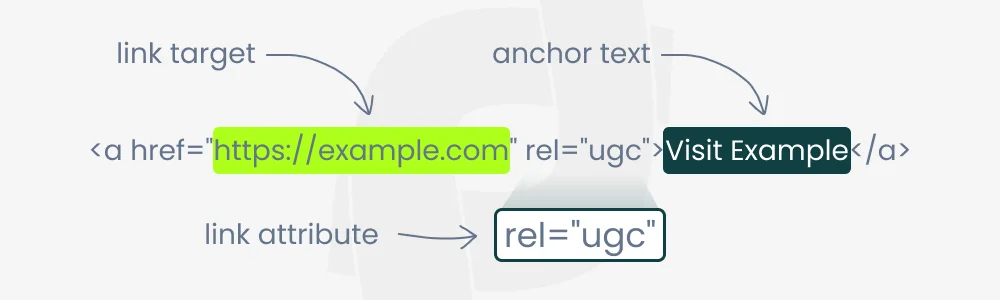
This attribute tells search engines that the link was added by users, not the website owner. It helps websites handle user-added links and prevent spam.
UGC links usually don’t pass SEO value; they are added by users rather than chosen by website owners, and search engines treat them cautiously.
Backlinks Classified based on How the Link is Earned
Each backlink type is earned differently and has a different impact on your overall link building campaign. Below are the key types explained.
Editorial links
Editorial backlinks are those that other websites naturally add because your content genuinely improves their pages and helps their audience.
Search engines trust these links because they are earned based on relevance and usefulness rather than random placement requests.
They are often links from authoritative sites that support long-term, stable ranking. You can earn these links when others discover your content, or by reaching out when your source fills a gap.
The important thing is to ensure the link enhances the reader’s experience rather than promoting your business.
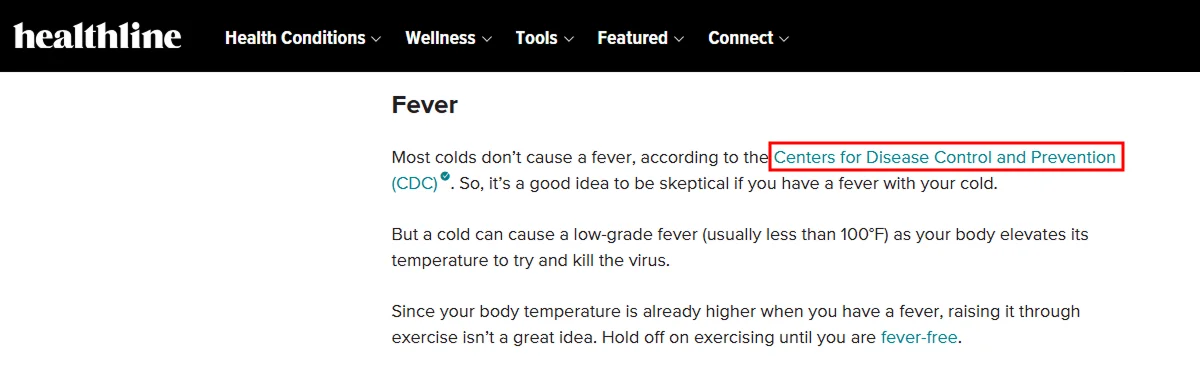
This image shows an editorial link placed naturally within the content to support a related point. The author links to the “CDC” as a helpful resource. The link fits naturally into the text and adds value for readers without feeling promotional or forced.
Guest Post Backlinks
Guest post backlinks are links earned by writing articles for other websites in your niche. These articles are written for their readers and not just to place links.
These links matter because they come from relevant content and introduce your brand to an audience who is already interested in your topic. When these links are placed naturally within the article or author bio, they reflect trust.
Guest posting also helps in building trust and credibility consistently through publishing on trusted platforms. To earn these links, you should pitch original, audience-first ideas and respect the editor’s decision on where a link fits best.
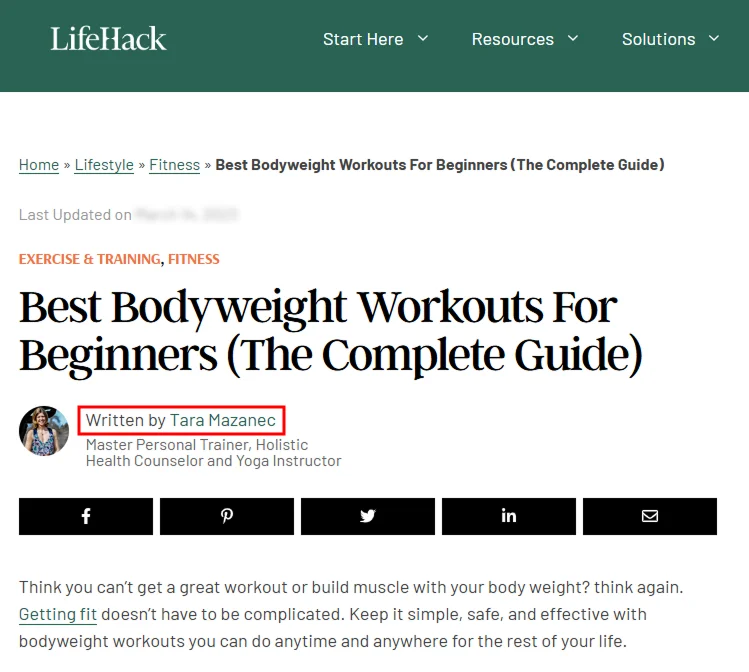
This image shows a guest post published on a blog, written by an external author for the website’s audience. The content is created for the site’s readers and includes a relevant backlink.
Broken Backlinks
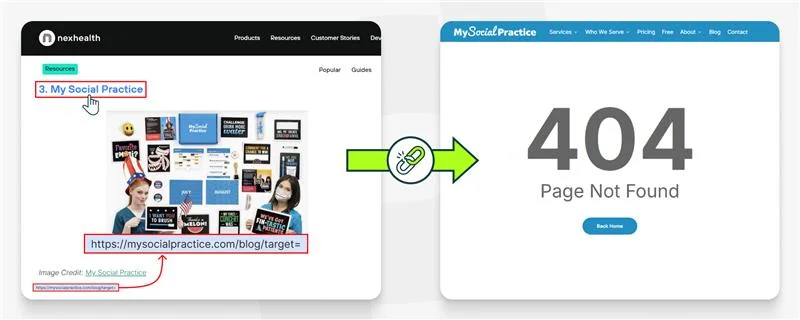
Broken backlinks occur when a website links to a page that either no longer exists or returns an error. Broken backlinks matter because it helps site owners fix broken links and improve the user experience.
At the same time, it helps you recover lost link equity from trusted, high-quality sites. The process simply involves finding broken links, creating relevant and suitable replacement content, and suggesting itto the site owner.
As you help them fix an issue, the outreach feels practical rather than promotional.
Resource Page Backlinks
A Resource page backlink is a link you earn from pages that list recommended tools, guides, or references on a specific topic.
Websites often have pages with resources created to share valuable information with readers.
This approach involves finding relevant resource pages in your niche and recommending your content as a helpful addition.
Website owners may include your content or tool as a suggested resource on their resource page because it adds value for their audience, and this can also help you get a valuable backlink.
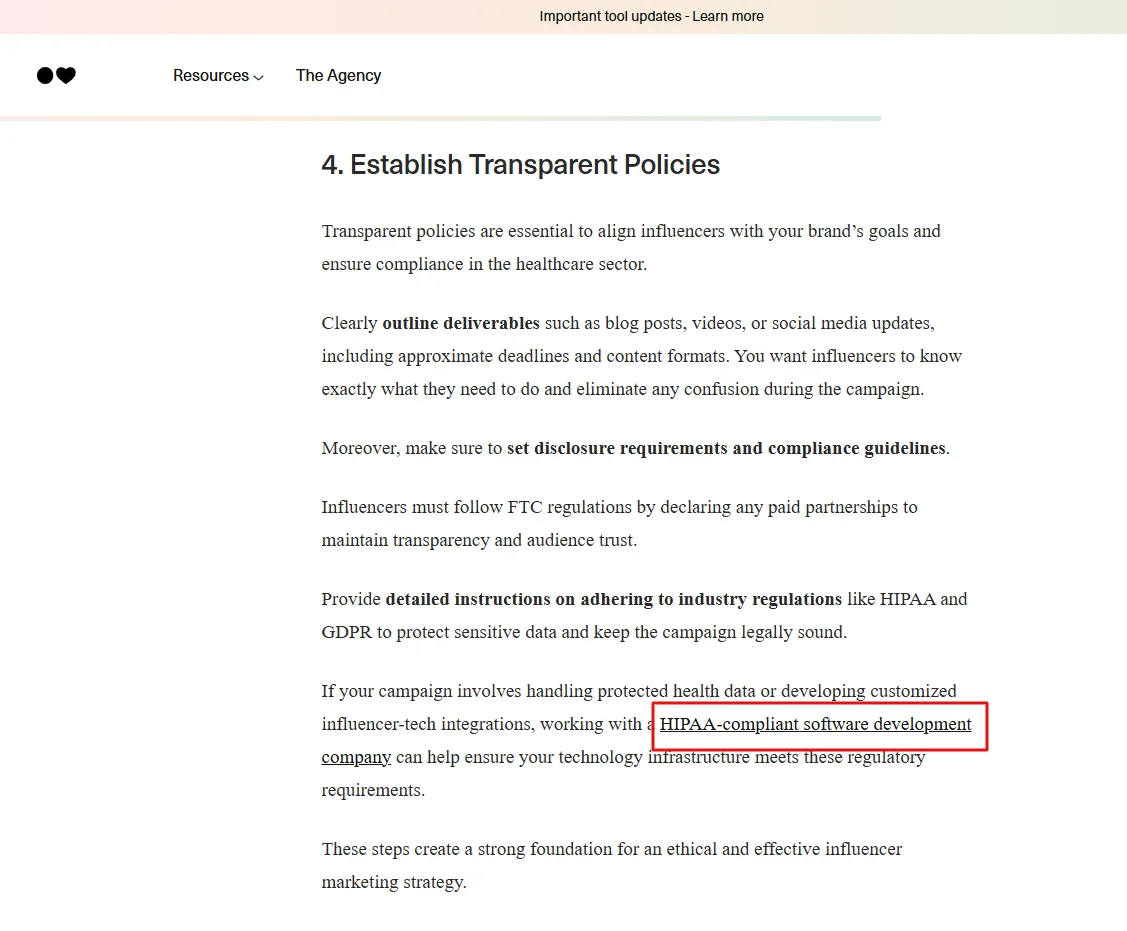
Here’s an example from inBeat that explains the concept perfectly:
The inBeat blog has a resource section listing helpful tools and services for healthcare marketing. Swovo’s HIPAA-compliant software page was added as a recommended resource, earning a relevant backlink from a trusted site.
Niche Edit Backlinks
Niche edit backlinks are added to existing articles on relevant websites, where they naturally fit within the content and add value.
These links matter because the content is already indexed, ranks well, and is contextually aligned with your topic. When these links are added naturally, they support the existing information in the content.
These links can pass strong relevance signals because they are already indexed, trusted, and aligned with your topic.
You can earn these links by identifying suitable published articles and suggesting your helpful resources where they fit naturally and logically.
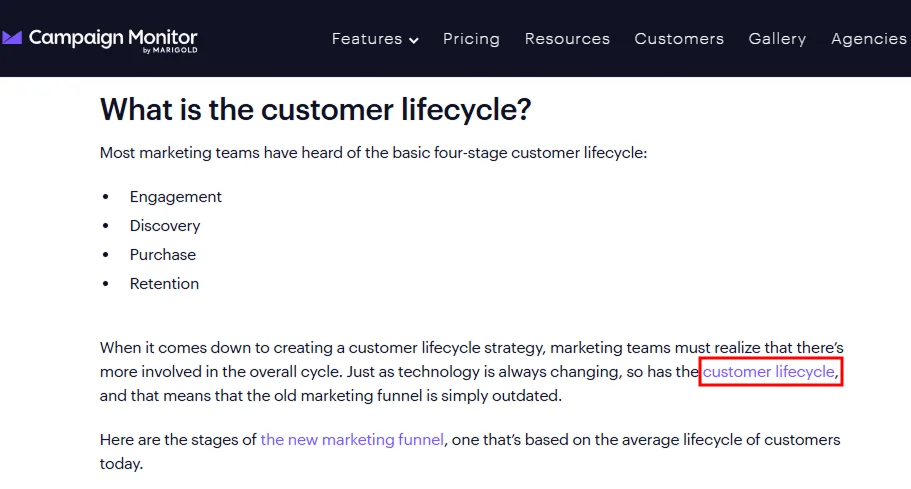
This image above shows a niche edit backlink added to an existing article in Campaign Monitor website. The link points to the CandyBar website and is included to support the discussion around the customer lifecycle.
The link is placed naturally within a relevant section to provide extra value, without changing the original topic or structure of the article.
PR backlinks
PR backlinks are earned when news websites, media outlets, or online publications mention your brand and choose to link to your website.
PR backlinks are usually editorial and placed naturally. These links are effective because they come from trusted sources and often result in high-quality backlinks from news sites, blogs, and industry publications.
You can earn them by sharing newsworthy insights or original data. The focus is on contributions, not just link placement.
Business Directory & Local Citation Backlinks
Business directory backlinks come from listing your business on trusted online directories such as Clutch, Yelp, or local chamber of commerce websites.
These links matter because they help the search engines confirm that your business is trusted and reliable. They can also improve visibility in local and location-based results.
You can earn these links by submitting accurate, consistent details of your business to reputable directories.
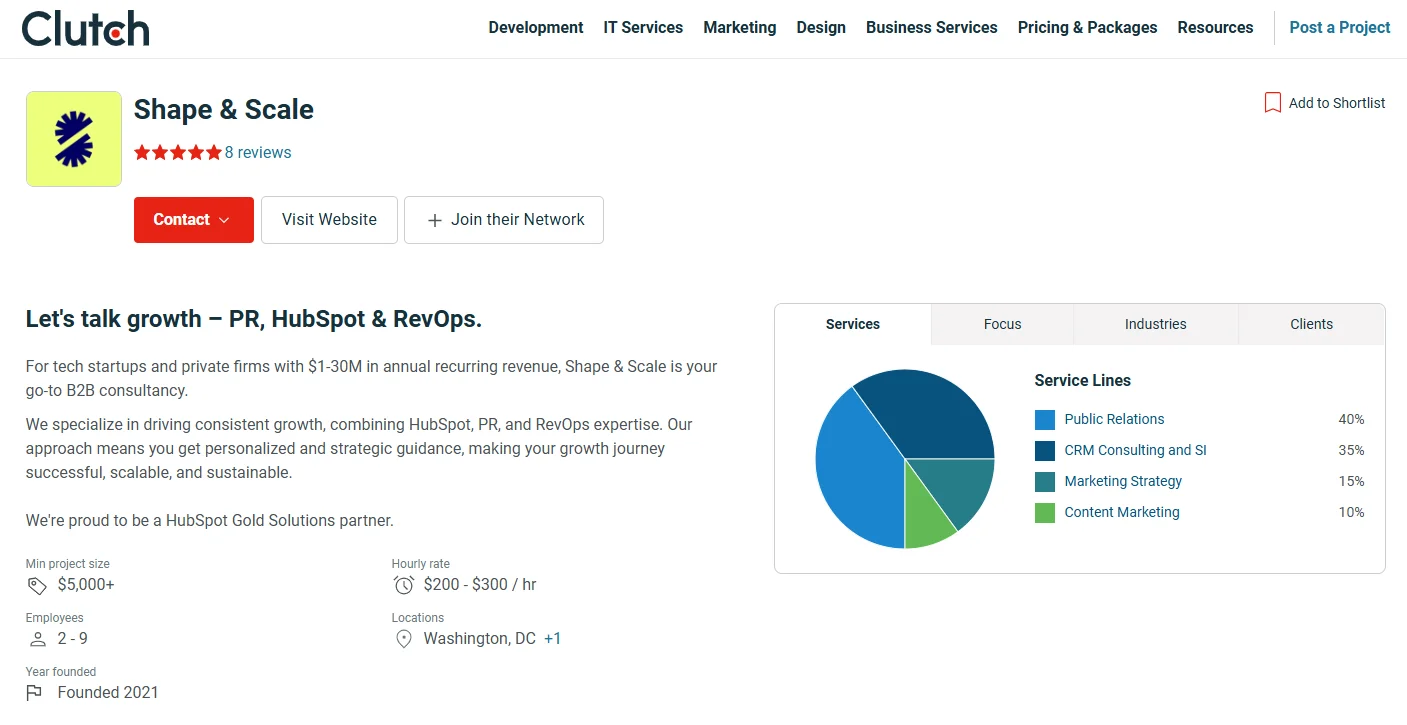
Here’s an example of a business directory and local citation. Clutch lists the business profile with verified company details, which helps improve trust and local visibility.
Social Media Backlinks
Social media backlinks are links to your website that come from social media platforms such as LinkedIn or Medium.
These links are usually nofollow, but they matter because they increase visibility. They can also drive referral traffic from the users who are already interested in your industry and niche.
You can earn social media backlinks by sharing valuable, educational, or insightful content across social media platforms that encourages users to share it with their followers.
Also, keep your social profiles updated with clear links in key areas like bios, descriptions, and posts.
By combining high-quality content with properly optimized profiles, you increase the chances of your links being shared and noticed across social platforms.
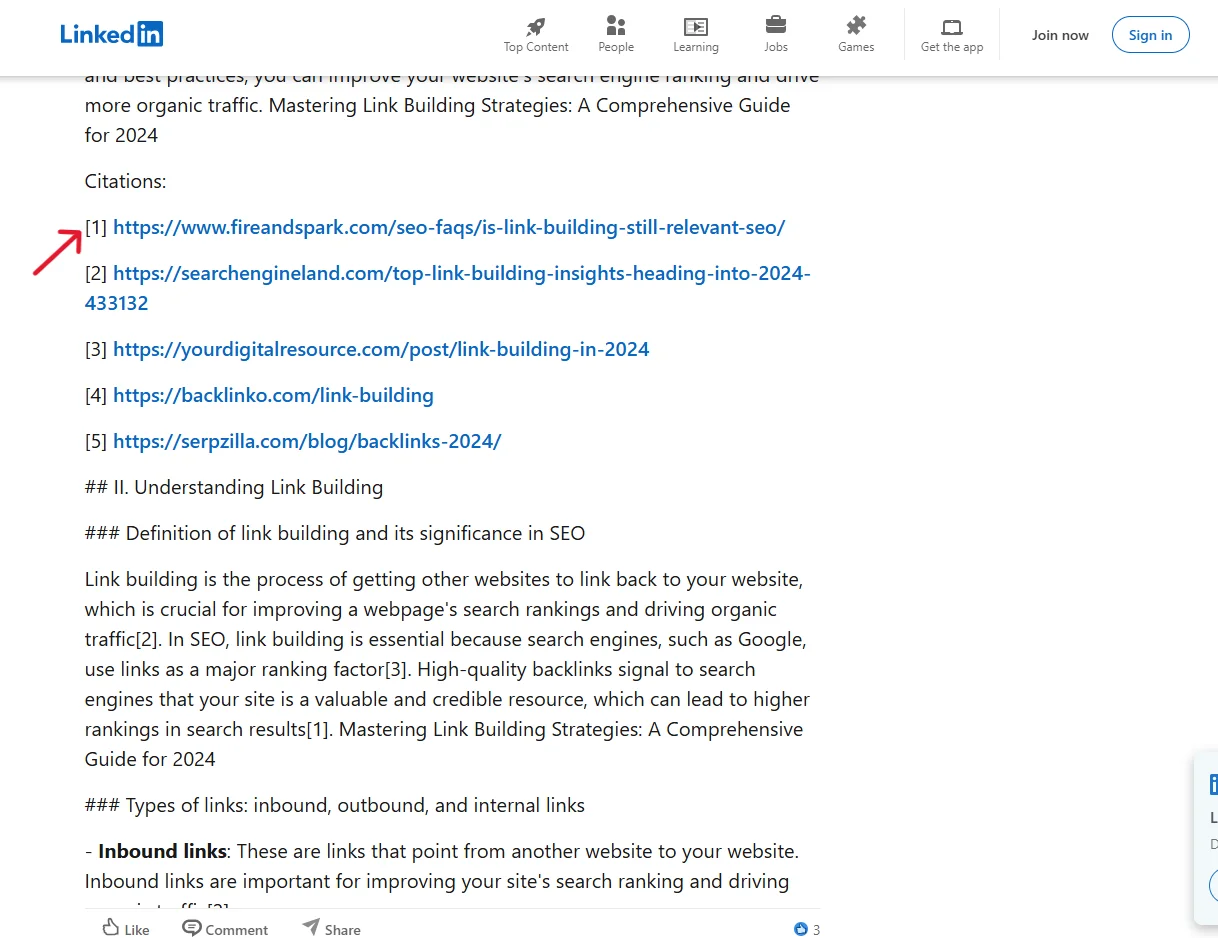
The image above shows FireandSpark mentioned in a LinkedIn post, where the brand receives a backlink from a social media platform. This is an example of how social media can also contribute to your backlink profile and visibility.
Image & Video Backlinks
Image and video backlinks are links earned when other websites use your images or videos and link back to your website as the source.
These links matter because they provide natural links without direct promotion. These links can increase brand exposure as your visuals are shared across platforms.
They also support trust and credibility by positioning your site as the original creator. You can earn these links by publishing original charts, infographics, screenshots, or videos that others want to reference.
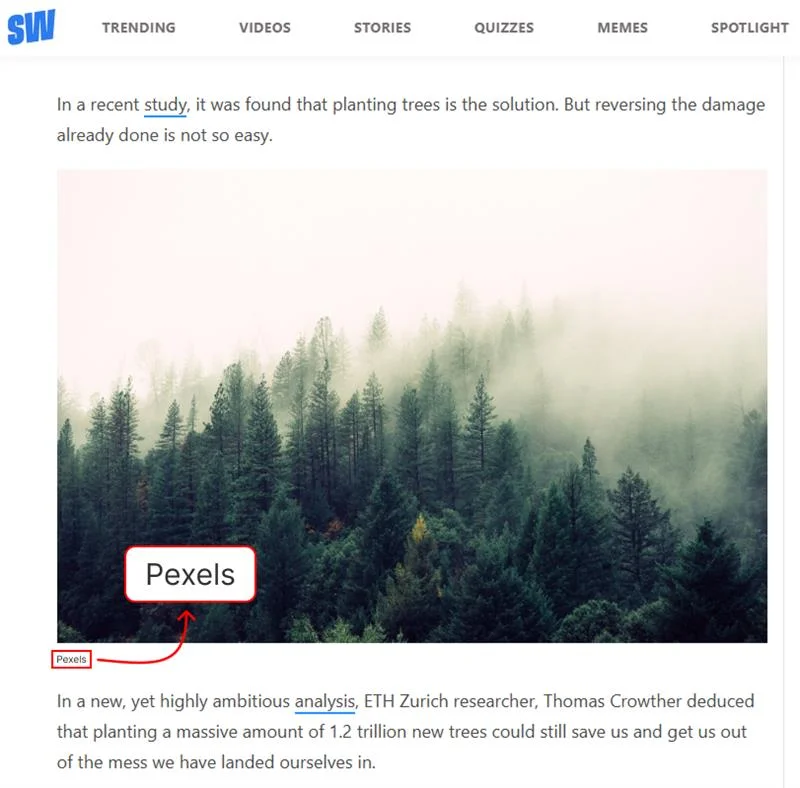
This image shows ScoopWhoop using a Pexels photo and crediting the source by linking back to it.
The clickable link under the image sends users from ScoopWhoop to the Pexels website, creating an image backlink.
Testimonial Backlinks
Testimonial backlinks are links you earn when you provide genuine feedback, a review, or a testimonial for a product or service you’ve used.
These links matter because they come from real, trusted websites that appear authentic. These links help to build credibility by connecting your brand with well-known products or platforms.
You can earn these links by providing honest testimonials that companies choose to feature on their websites with a link back to your site.
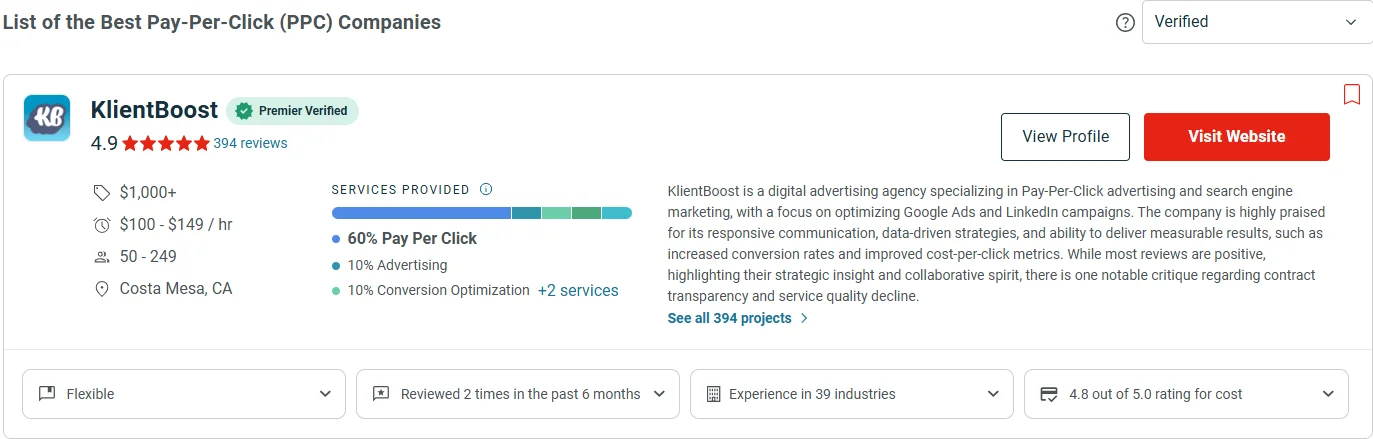
For example, here Clutch features a KlientBoost review on its website and includes a backlink to KlientBoost’s site, giving both visibility and a trusted testimonial backlink.
Backlinks Classified by Quality and Risk
Not all backlinks are the same; some links can harm your rankings, waste your efforts, and lead to Google penalties.
It is essential to know which types of backlinks to avoid and how to spot and replace them with safer alternatives.
Here are a few types of backlinks to avoid:
Private Blog Network (PBN) Links
PBN links or link farm backlinks come from a network of websites created specifically to generate unnatural links.
These sites are often built on expired domains or set up as networks of fake blogs, with no real content or audience.
Search engines can easily spot these links because they don’t come from trusted websites. Using them can lead to ranking drops, removal from search results, or even complete deindexing of your site.
Instead of relying on fake sites, focus on earning links from real, relevant websites through white hat link building strategies like guest posts, resource pages, or helpful content that genuinely adds value.
Low-Quality Directory or Spammy Site Links
These links come from low-quality or generic directories or websites that list thousands of unrelated sites with no real review or standards.
Such directories usually exist only to host links and don’t provide value to users.
Links from these sites don’t add any real relevance or authority to your website. Over time, they can weaken your backlink profile and make it harder for search engines to trust your site.
Instead of using spammy directories, list your business only on curated, niche-specific, or local directories that are relevant to your industry and genuinely helpful to users.
Blog Comment Links
Blog comment links are added in the comment sections of blog posts, often by linking to the name, URL, or profile.
These links are low-quality because they are marked as nofollow or UGC; they can be easily automated and abused, and they are rarely relevant to the article’s main topic.
Because of spam, search engines usually ignore these links for ranking purposes. Genuine discussion can still drive visibility or referral traffic, but blog comment links should not be relied on as part of an SEO backlink strategy.
Forum Profile or Signature Links
Forum links are placed within the user profiles or post signatures on discussion boards.
These links are often unrelated to the actual discussion, appear repeatedly across many pages, and are usually nofollow or are ignored by the search engines.
They are used to create accounts solely for posting profile links, low-effort replies to expose signature links, and for repeating the same anchor text across multiple forums.
Social Bookmarking Links
Social bookmarking links come from platforms designed to save, tag, or share webpages publicly.
These links are of low quality because many bookmarking sites are now outdated or spammy, and links are easy to submit in bulk and manipulate. Search engines rarely treat these links as meaningful placements.
These links are used to submit the same URL to dozens of bookmarking sites and to create an account only for link placement. These links may provide short-term visibility, but they provide little SEO benefit.
Widget or Badge Links
Widget links are embedded within widgets, plugins, or tools that appear automatically when installed on a website.
These links are risky because they appear on many pages, anchors may be overly optimized, and the links exist by default rather than by the choice of editors. Search engines may see them as manipulation if these links are included mainly for SEO purposes.
These links are commonly used to offer free widgets in exchange for link placements and to place them in footers or sidebars.
Link Exchanges
Link exchanges are agreements between two websites to link to each other.
This practice is risky because it can look unnatural; these links are often placed for gaining SEO value rather than user value, and search engines can detect these exchange patterns.
Link exchanges are commonly used to benefit both parties (you link to me, I’ll link to you). They are exchanged through exchange networks or link swap groups and involve repeated reciprocal linking across unrelated pages.
Press Release Distribution Links
These are the links included in press releases that are connected across many distribution platforms.
These links are of low value because content is often duplicated on many sites, links are published automatically without editorial review, and most platforms mark these links as nofollow.
These links are used for bulk distribution of promotional press releases and for publishing announcements with little or no news value.
Over-Optimized or Irrelevant Anchor Text Links
These backlinks use the exact keyword-rich anchor text repeatedly or come from pages that are not related to your topic.
Instead of sounding natural, the links look forced and are placed only to push rankings.
Search engines can see this as an attempt to manipulate rankings. When links don’t align with the content or are overly optimized, they may trigger algorithmic penalty risks and lead to ranking drops.
Use anchor text that sounds natural and fits the content’s context. Let links be placed within relevant pages where the wording makes sense to readers.
Sitewide Footer or Sidebar Links
These are links added to a website’s footer or sidebar and appear on every page. They are often used for promotions or partnerships and are repeated sitewide rather than placed within the main content.
When overused, these links can look unnatural to search engines because they create the same link repeatedly across many pages. This pattern may be an attempt to manipulate rankings rather than provide real value.
Instead of sitewide links, aim for a single link placed naturally within the main content of a relevant page, where it fits the topic and helps readers.
Which Backlink Types Should You Prioritize
The right backlinks depend on your stage, goal, and industry. Here’s how to prioritize backlinks based on everyday situations:
New or early-stage website
Start with the types of backlinks that are easier to earn and help establish trust, such as:
- Guest post backlinks
- Directory and location citation backlinks
- Social media backlinks
These links help search engines recognize your site and build credibility initially.
For long-term value and rankings
Focus on links that are earned editorially, such as:
- Editorial backlinks
- PR backlinks
- Resource page backlinks
These links can maximize overtime and support stable rankings.
For a local or service-based business
If your business is local or service-based, then prioritize:
- Business directory and local citation backlinks
- Testimonial backlinks
These strengthen local relevance and trust signals.
For scaling content-driven SEO
If you need backlinks for scaling your business, then:
- Broken link building
- Niche edit backlinks
- Image and video backlinks
These backlinks work best once you already have strong content assets.
Final Thoughts
Backlinks come in many forms, and not all work the same way. That’s why choosing the right types matters.
Instead of chasing every option available, focus on links that are relevant, natural, and earned the right way.
By prioritizing quality over shortcuts, you build a backlinks profile that supports long-term rankings and trust.
Want to know which backlink types are right for your website?
A quick review can help you focus on the links that actually support your SEO growth.
Which backlinks should I avoid to prevent Google penalties?
You should avoid backlinks that look unnatural or forced. This includes PBN links, links from low-quality directories, sitewide footer links, and links with over-optimised anchor text. These links don’t add real value and can harm your rankings rather than improve them.
How can I identify low-quality or toxic backlinks?
You can spot low-quality backlinks by checking their sources. Links from unrelated websites, spammy directories, or pages with no real content are usually risky.
SEO tools like Ahrefs or Google Search Console can help you review your backlink profile and flag harmful links.
How many backlinks does a new website need to rank?
Quality matters more than quantity, so there is no fixed number of backlinks needed to rank. A new website can rank with fewer links if those links are relevant, trusted, and earned naturally.
What is the safest way to build backlinks in 2026?
The safest way to build backlinks is through methods that follow search engine guidelines. This includes guest posting on relevant sites, earning editorial links, fixing broken links, and getting listed on trusted directories.
These methods follow search engine guidelines and support long-term growth.
Are business directory links still effective?
Yes, business directory links are still effective when used correctly.
They help improve trust, brand visibility, and local SEO when listed on reputable platforms like Clutch or niche directories.
Avoid low-quality directories and focus only on trusted, relevant listings.
Which type of backlink is best for long-term rankings?
Editorial backlinks are one of the strongest for long-term rankings. They are earned naturally when other websites link to your content because it is helpful.
These links build trust, authority, and steady organic growth over time.