
Manual link building starts with personally reaching out to relevant websites to earn backlinks.
Backlinks remain a key factor in improving your Google search engine rankings. However, earning them is not as easy as it once was.
As Google’s algorithms have changed over time, links generated by automated methods have become riskier and less valuable. Google now puts more trust in manual backlinks.
Manual link building remains the safest and most effective way to build backlinks and improve your rankings.
Key Takeaways:
- Manual link building is the most reliable way to earn backlinks.
- You can get backlinks from relevant websites through personal outreach.
- Quality links built through real outreach make your website more trustworthy.
- Creating manual links lets you choose exactly where your backlinks come from.
- Manual methods keep you safe from risky automated links.
What is Manual Link Building?
Manual link building is the process of earning backlinks through manual effort.
You reach out to website owners directly and share your content, so they can choose to link to your site.
You don’t use automated tools or software that create backlinks automatically or send automated emails without a personal touch.
Instead you contact relevant sites yourself and build contextual backlinks. These links can drive more traffic, strengthen your brand, and improve your rankings. It takes time and effort, but the results are worth it.
Here’s an example to help explain manual link building.
Imagine you created an email marketing tools guide and shared it with the digital marketing website’s editor.
If they find it valuable and relevant for their readers, they publish it and link back to your site. This gives you high-quality backlinks built through manual outreach.
Focus on quality over quantity; one strong link beats dozens of weak ones.
What is Automated Link Building
Automated link building is the technique of using automated tools or software to create backlinks at scale without human review or personal outreach.
These tools often send bulk emails or place links in blog posts, forums, and comment sections without checking whether the websites are relevant or trustworthy.
The Risks of Automated Link Building
While this approach may look fast, it usually ignores relevance and quality, which can harm your website’s reputation and rankings.
Suppose some businesses use automated tools to create hundreds of backlinks on blogs and comment sections without manual review. These tools publish links at scale, often on low-quality or irrelevant websites, which can lead to spammy backlinks and Google penalties.
You can use a tool called Website Penalty Indicator to check if your site has been affected by a Google penalty.
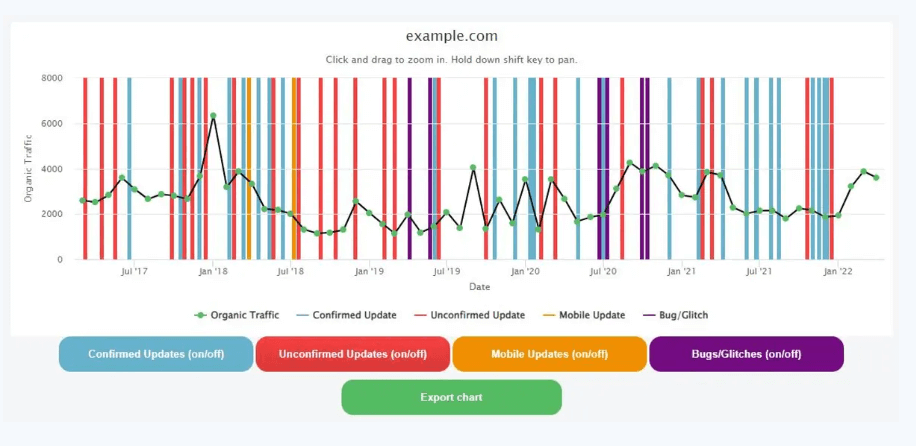
Before you choose a link building approach, it’s important to understand the differences between manual and automated methods.
Automated vs. Manual Link Building
| Factor | Automated Link Building | Manual Link Building |
|---|---|---|
| Method | Uses software or tools to create backlinks automatically | Involves human effort to build backlinks manually |
| Quality Control | Limited control over link quality and placement | Complete control over link quality and placement |
| Time | Quick to implement | Time-consuming due to research and outreach |
| Link Quality | Often contains low-quality or spammy links | Produces higher-quality, relevant backlinks |
| Risk Level | Higher risk of penalties | Lower risk when done ethically |
| Cost | Lower cost due to automation | Higher cost due to manual outreach and effort |
| Effectiveness | May provide short-term gains | Delivers long-term, sustainable SEO benefits |
Why Manual Link Building Matters More in 2026
Manual link building matters more because Google values links that are earned naturally from relevant, trustworthy websites.
Unlike automated methods that often create risky links, manual outreach focuses on real value and long-term trust, making it a safer and more sustainable strategy.
Here are a few benefits of manual link building:
Full Control Over Quality
With manual link building, you control the quality of your links. You choose which websites to contact, where your links come from, how they’re placed, and if they fit your brand and goals.
This helps you avoid low-quality sources and build a healthier backlink profile over time.
💡Key Factors of Link Quality
- Relevance means the website linking to you should be related to your industry or topic.
- Authority indicates that the links from well-known or reputable websites carry more weight.
- Credibility is that the links from a trustworthy site are more reliable.
- Link Placement means that links appear naturally within meaningful content.
- Real Traffic means the website receives actual visitors who engage with your content.
- Natural Anchor text is the clickable text that is relevant to the linked page and fits naturally in the sentence.
Higher Response Rates
Personalized outreach feels human and respectful. Whereas automated emails are easy to spot and often ignored.
When you take the time to understand a website and explain why your content is genuinely helpful for their audience, you increase your chances of getting replies and earning high-quality backlinks.
Reach The Right Audience
Manual link building helps your content reach people who are genuinely interested in what you offer. These visitors come from relevant websites and are more likely to engage, trust your brand, and take action.
Instead of chasing traffic numbers, manual links attract the right audience, people who stay longer, interact more, and convert better.
Keeps Your Site Safe From Penalties
Manual link building reduces risk because each backlink is build through genuine efforts.
You are not relying on automated tools, link packages, or shortcuts that can create unnatural patterns.
Google’s system now automatically ignores many low-quality links, but sites that consistently use manipulative or paid link tactics can still face a manual penalty.
What is a Google Manual Penalty?
A Google manual penalty happens when a human reviewer finds clear evidence of manipulative or spammy practices.
By choosing relevant websites and using honest outreach, manual link building keeps your site aligned with Google’s guidelines and protects your rankings.
Effective Manual Link Building Techniques
Manual link building can be done in many practical ways, each offering unique benefits for your website’s authority and rankings.
Here are some key techniques you can use to start building backlinks through genuine, manual efforts that pay off over time.
Guest Posting
Guest Posting means writing a helpful article for another website in your industry. In return, the website may include a link back to your site within the content.
This works because you are contributing valuable information rather than promoting yourself. It takes time and effort, but the results are long-lasting.
You can find websites that accept guest posts by using tools like Pitchbox or the Moz toolbar.
You can also check competitor backlinks, explore industry directories and forums, or look for resource pages to find potential guest blogging opportunities.
Another effective method is to manually search on Google using specialized search operators such as:
- Keyword + “write for us”
- Keyword + “guest post”
- Keyword + “guest contributor”
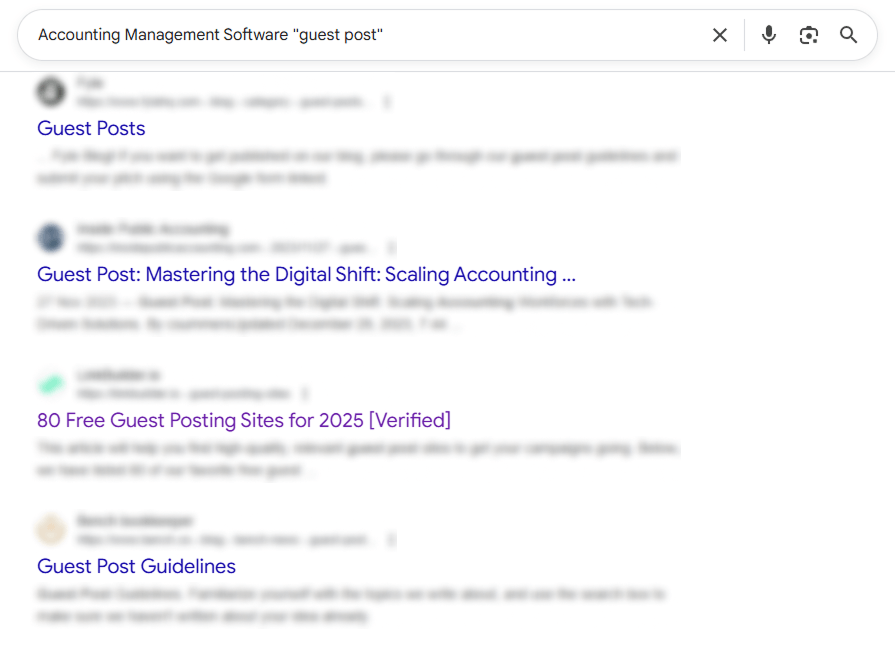
Once you find a suitable guest post opportunity, use a guest post outreach email to contact the website owner and request permission to contribute your article.
For Example, you can start by saying “I’ve been reading your posts on account management and noticed you share complex accounting tasks. I’d love to contribute a helpful guest post that offers practical accounting tips for your readers.”
You can convert this example into pitch and send it to the website owners.
Guest Blogging Best Practices
Pick niche-relevant sites
Focus on websites that align closely with your industry or audience to ensure links and content are meaningful.
Avoid salesy content
Your article should provide genuine value and not be an advertisement for your business.
Prioritize quality writing
Keep your content clear and well-crafted. Consider collaborating with a skilled writer if needed.
Write with purpose
Don’t just create content to fill space; always ensure every post educates, informs, or adds value to readers.
Relationship-Based Link Building
To build backlinks, first, you have to start by building a meaningful relationship.
Relationship-based link building is an organic strategy that focuses on creating genuine connections with website owners and industry experts.
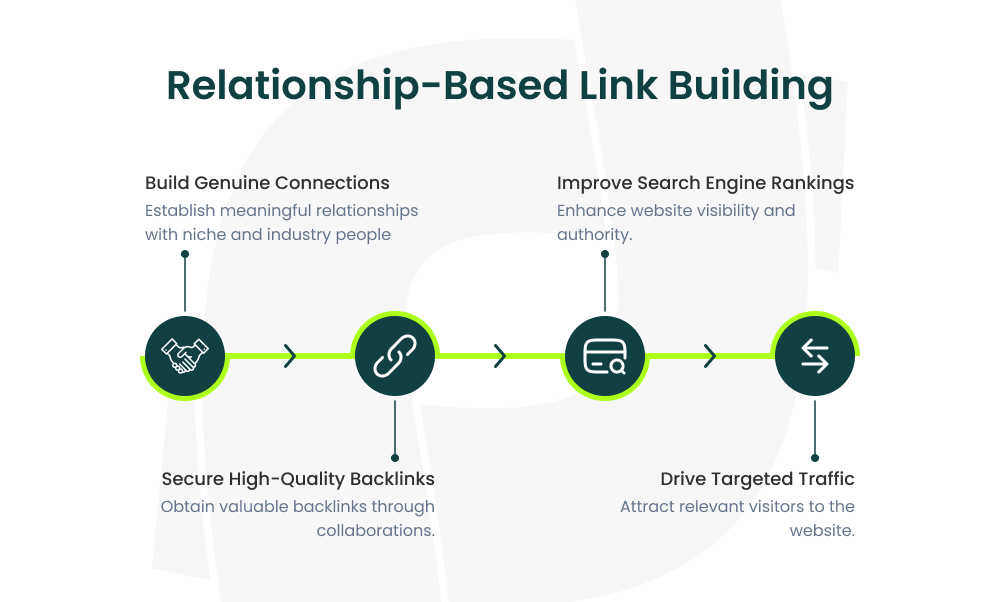
Instead of directly asking for a link, you engage with their content, share helpful insights, or collaborate on valuable resources.
When you consistently offer value, people naturally begin to trust you, making them more likely to link to your content.
Suppose that you run a marketing blog and regularly share insights from other industry blogs, leave thoughtful comments, and mention their content in your posts. In that case, those creators eventually notice your support.
Over time, they may naturally link back to your articles and recommend your content to their audience.
Broken Link Building
Broken link building is a strategy where you identify broken or dead links on other relevant websites and offer your own content as a replacement.
Broken link building is a win-win strategy: you build a high-quality backlink for your site while helping website owners fix broken links on their pages. Since no site wants dead links, offering a relevant replacement makes it easy for them to add your link naturally.
For example, A digital marketing blog links to a “free SEO audit tool” page that no longer exists (404). You offer your working SEO audit tool as the replacement, helping them fix their content, and you get a high quality backlink for your site.
How to Do Broken Link Building
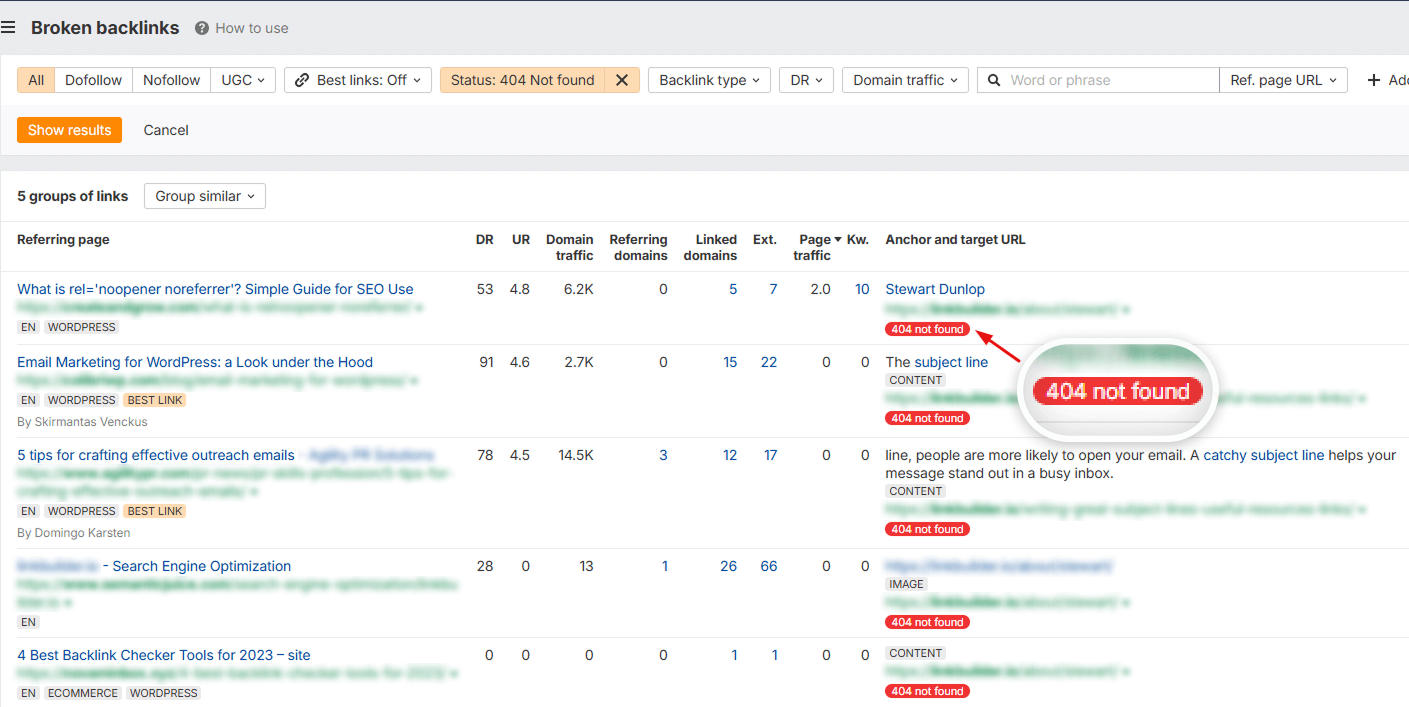
1. Find broken links
Check other relevant website pages for dead or broken links, using tools like Ahrefs. You can also browse industry resource pages and old content that may have outdated links.
2. Identify a replacement
Check if you already have a relevant page that can replace the broken link. If not, create new, helpful, and updated content.
3. Reach out to the site owner
Manually reach out to the editor or website owner and let them know about the broken link, and suggest your content as a valuable replacement.
For Example, start with “I noticed a broken link in your article on SEO Audit Tools.” The “free SEO audit tool” page leads to a 404.
If you’re updating the post, we have a working SEO audit tool you can use as a replacement:
[Your Tool Link]
Hope this keeps the page useful for your readers.
4. Earn the backlink
When you’re helping them fix a problem, site owners are more likely to add your link naturally.
Resource Page Link Building
Many sites maintain dedicated pages listing useful tools, guides, and references for their audience. These are known as resource pages.
Resource page link building is the process of finding web pages that list helpful links on a specific topic and asking the site owner to include your valuable content as a recommended resource.
Some websites even include a “Submit a Resource” or “Suggest a Link” form. If your content matches their needs, submitting it through those forms makes your outreach much easier and increases your chances of getting added.
Resource Page Link Building (Step-by-Step)
1. Find niche-relevant resource pages
Use search operators like:
- keyword + “resource page”
- keyword + “useful resources”
2. Check if your content is a good fit
Make sure the page lists high-quality resources and that your article genuinely adds value.
3. Reach out to the site owner
Email them with a polite message, share your resource, and explain why it deserves a spot on their page.
Ex: “I saw your list of ‘Top Digital Marketing Tools.’ I think our free Headline Analyzer Tool would be a fantastic addition for your readers.”
4. Get your content listed
If they find it helpful, they’ll add your link to the resource page, helping you to get a high-quality manual backlink.
Here’s an example for finding a resource page using search operators

Asset-Based Link Building
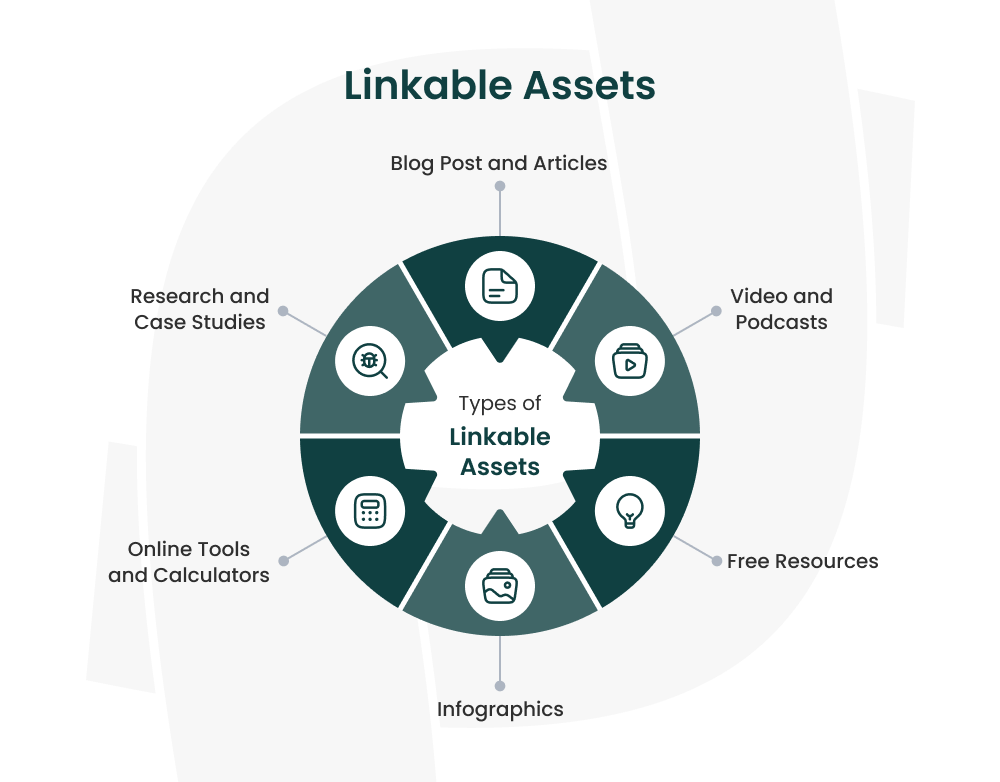
Asset-based link building is a strategy where you create high-value assets that other websites naturally want to refer to, cite, or link to because they find them genuinely useful.
Here are some linkable assets:
- In-depth guide and Tutorials
- Infographics and Visual Content
- Original research and Case Studies
- Tools and Calculators
- Templates and Checklists
- Data reports and resource roundups
Instead of directly asking for a link, you manually share assets with websites that cover related topics. If your asset adds value, they will naturally link to it.
This approach keeps the process human-driven and get high-authority links without automation or spammy tactics.
While this technique requires time and creativity, it pays off for years because high-quality assets continue to earn links naturally without constant outreach, making it one of the most long-lasting manual link building techniques.
To manually identify websites that might link to your asset, check:
- Competitor pages that already attract many backlinks
- “Best tools/resources” lists in your niche
- Blog posts covering related topics
You can also use tools like Ahrefs, Semrush, or Moz to find websites linking to similar assets and reach out to them manually.
HARO Link Building
HARO link building is a PR-based method in which you respond to journalists’ queries to get high-authority backlinks from major publications.
HARO ( Help a Reporter Out)
HARO is a platform that connects journalists with people who can share expert information.
When your name or brand is featured, it strengthens your website’s credibility. Even a single HARO link can improve how users and Google view your business.
HARO link building requires genuine manual effort: reading journalist queries, crafting personalized responses, and pitching your insights. Unlike automated methods, HARO requires you to respond actively.
These links aren’t easy to secure, but that’s exactly what makes them powerful, as they’re build through expertise and relevance, not through paid placements or automated tactics.
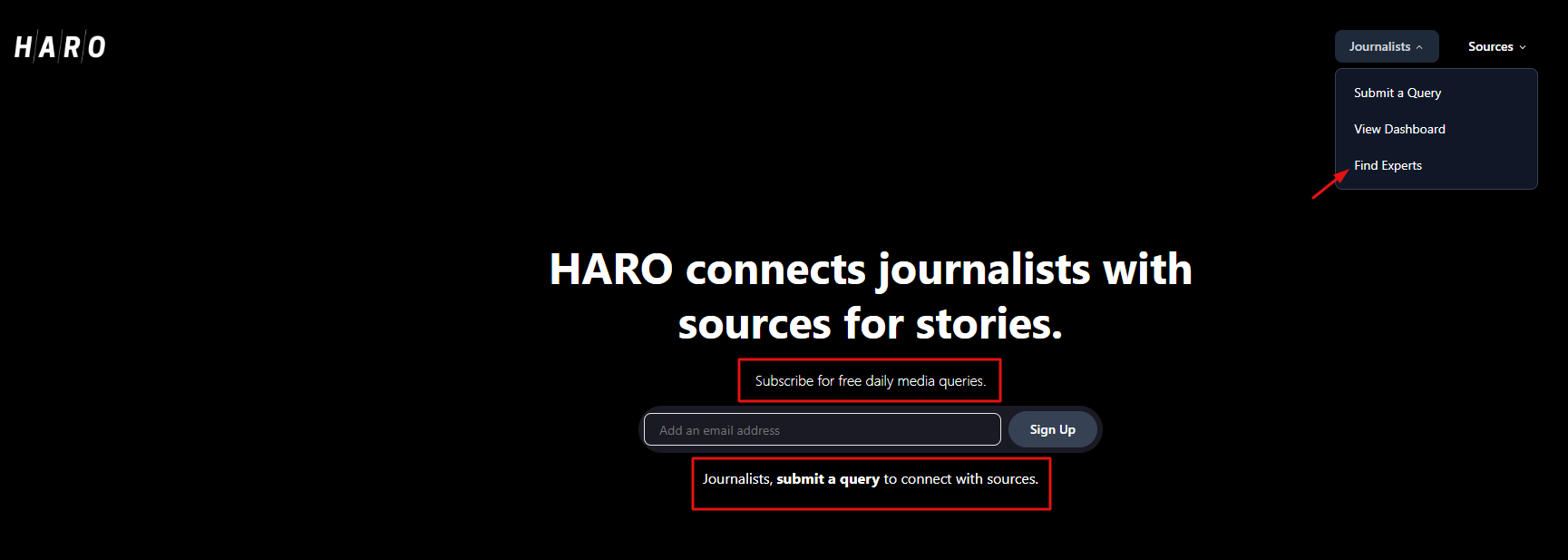
Here’s an example of the HARO dashboard, where you can sign up to receive daily media queries, and where journalists can submit their questions and find experts.
Networking with Industry Influencers
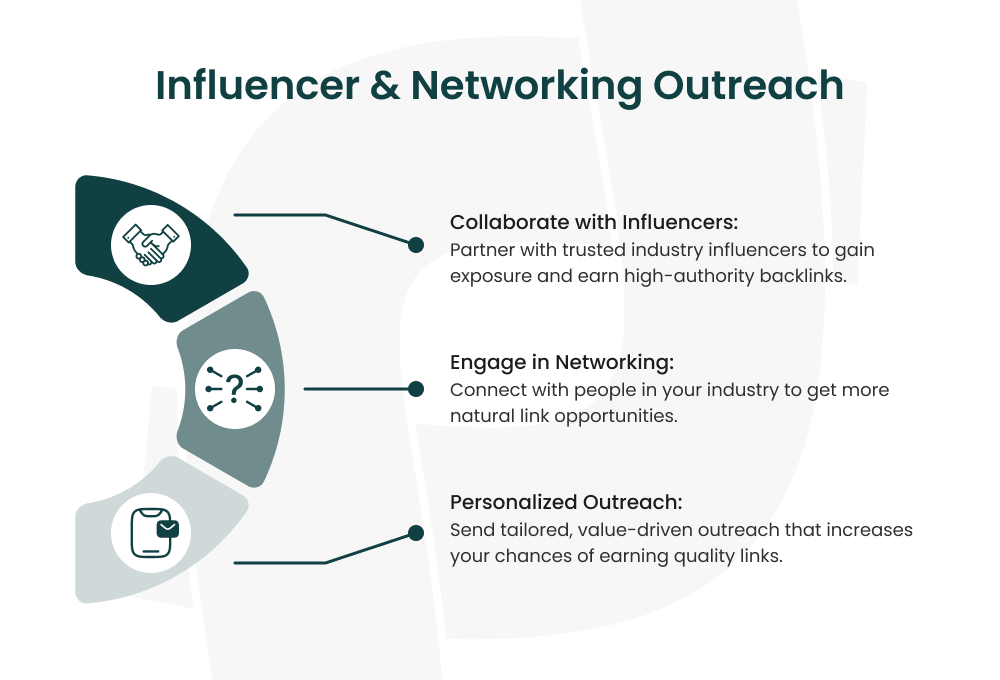
Influencer and Industry Networking involves collaborating with trusted influencers or well-known professionals in your niche and providing them with something valuable.
Brands are building huge audiences by networking with relevant influencers, which increases their online presence and creates potential backlink opportunities.
Such collaborations encourage influencers to feature your content and link back to your site. This helps you earn mentions, shares, and high-quality referrals, allowing your content to reach a larger, more targeted audience.
Some influencers may prefer collaborations or perks, such as a free product, social shares, or a service from your brand. In contrast, others feature your content simply because it adds value to their audience.
Strategically networking with influencers not only helps secure high-quality backlinks but also increases your brand’s credibility and exposure across trusted platforms.
Testimonial Link Building
Testimonial Link Building is a technique in which you provide genuine feedback about a product or service you’ve used.
Many companies showcase customer reviews on their websites and often include a link back to the site.
By sharing thoughtful testimonials, you can request that the company feature your review on their website along with a backlink to your site.
When these reviews appear on reputable sites, they boost your credibility and strengthen your brand reputation, which can improve your rankings.
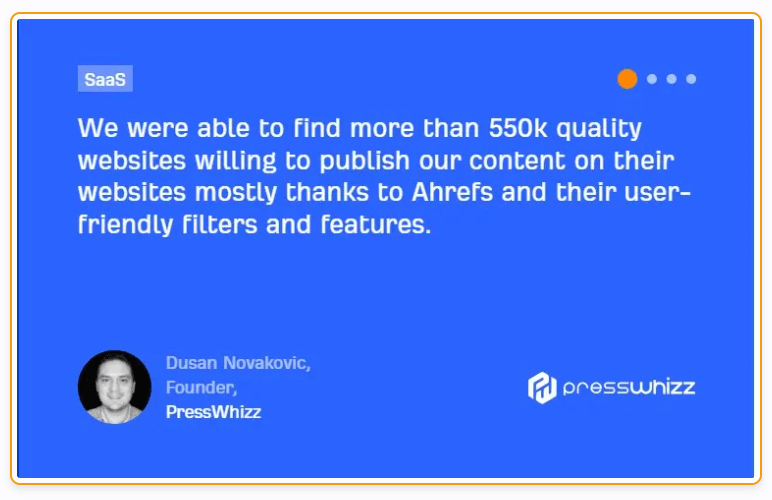
For Example, PressWhiz wrote a testimonial for Ahrefs, and Ahrefs included a backlink to PressWhiz’s website, building a high-authority link while showcasing credibility.
Common Manual Link Building Mistakes to Avoid
Even small link building mistakes can harm your website’s rankings. Avoiding these common drawbacks helps you build high-quality, effective, and safe backlinks.
Buying Cheap or Paid Links
Buying links is a quick way to increase backlinks. But it often does more harm than good. These links are usually placed on low-quality or unrelated websites or come from link farms created solely to manipulate rankings.
This is risky because Google expects links to be earned naturally. Paid links rarely reflect genuine recommendations and can damage your site’s credibility.
Instead of buying links, focus on earning them through valuable content, outreach, and genuine relationships. Links build through value last longer and support steady growth.
Building Links Too Fast
Creating a large number of backlinks in a short time can look unnatural, even if the links are not paid. Sudden spikes often signal manipulation rather than genuine popularity.
Search engines expect link growth to happen gradually as content get attention. When links appear too quickly, many of them may be ignored, and patterns can raise red flags.
A better approach is to build links consistently. Focus on quality and relevance, and allow your backlink profile to grow naturally over time.
Targeting Irrelevant Websites
Getting links from websites that have nothing to do with your topic may increase link count, but it weakens relevance. These links do not help search engines understand what your site is about.
Relevance matters because links signal trust within a topic area. When links come from unrelated sites, those signals become confusing and less effective.
To avoid this mistake, prioritize websites that serve a similar audience or cover related subjects. One relevant link is more valuable than many unrelated ones.
Failing To Diversify Strategies
Using only one link building method, such as guest posting, limits growth and increases risk. If that single method stops working or becomes less effective, your progress stalls.
Natural backlink profiles are built from multiple sources. This shows search engines that your site get attention in different ways.
To stay balanced, combine different link building strategies such as guest blogging, relationship-based links, resource mentions, and asset-driven links. This creates a healthier and more resilient backlink profile.
Cost of Manual Link Building
Manual link building focuses on building genuine, high-quality backlinks rather than relying on automated or spammy methods. It may take time, skills, and expertise, but it improves search rankings and conversion.
The cost can vary depending on the scale, niche, and resources you use.
Here are the key factors affecting the cost:
Time Investment
It involves researching websites, finding prospects, and sending personalized outreach emails. Each step takes time and attention to detail, especially when you are aiming for editorial or contextual links from reputable websites.
Content Creation
Content is the foundation of successful manual link building. It includes content like guest posts, testimonials, or linkable assets that may require experienced writers, designers, editors, or video creators.
Tools & Software
Professional link builders rely on SEO and outreach tools to identify opportunities, analyze competitors, track backlinks, and manage campaigns. However, the tools like Ahrefs or SEMrush often have subscription costs.
Outreach & PR
Some link opportunities may require additional investment, such as products, samples, exclusive insights, or sponsorships. Digital PR campaigns, including HARO, also demand consistent efforts and strategic positioning to secure high-authority links.
Typical Costs:
- Outreach tools: $19–$99 per month
- Content creation: $15–$50 per piece
- Human Resource Cost: $15 – $20 per hour
- Manual guest posting: $200–$500 per link
- PR & HARO campaigns: costs vary depending on scope
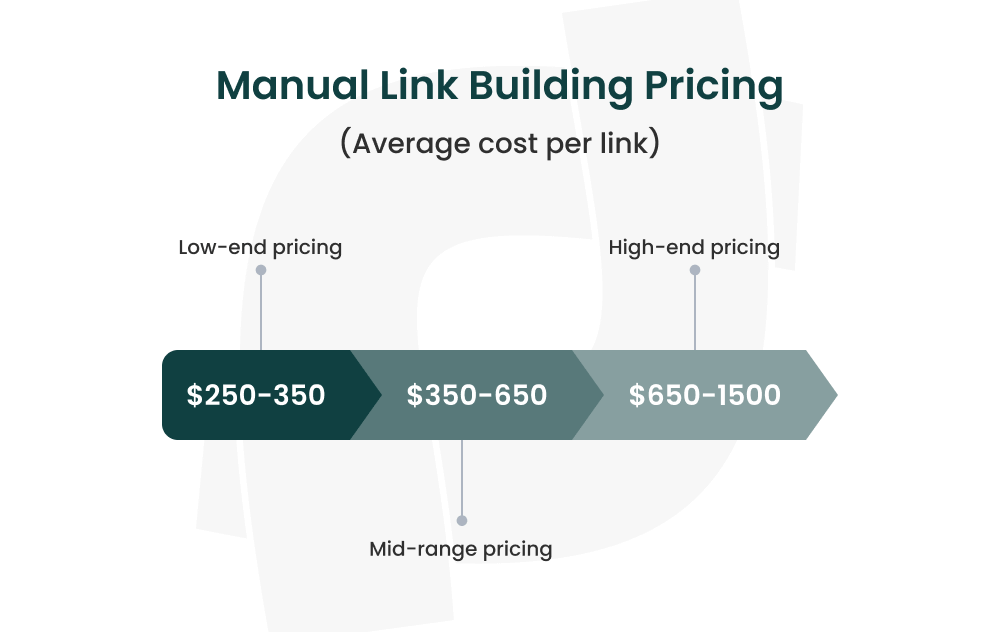
Manual backlinks don’t have to be expensive. While the average cost ranges from $300 to $1,000, we can help you get safe, high-quality manual links at a much lower price.
SaaS Client Growth Story: From 49K to 70K Monthly Users
We worked with this client to improve their organic visibility and search rankings through a targeted, manual link building campaign.
The challenge was that, despite having strong content and a solid website, the client struggled to move up in search results. Their page wasn’t have enough trusted backlinks, limiting how much search engines could rely on it.
Instead of using automated, mass-link tactics, we focused on manual, white hat link building strategies.
Our strategy included:
- Identifying authority websites related to the client’s industry
- Placing backlinks within relevant content
- Prioritizing the links that offer real value to the users
- Avoided low-quality or spammy link placements
Each backlink was build through outreach, helping send trust and relevance signals to search engines.
As a result, this effort made a significant uplift in organic performance, helping the client climb key search result pages (SERPs). It had a remarkable result, a 43% increase in organic traffic, jumping from 49,000 to 70,000 monthly visitors in just 9 months.
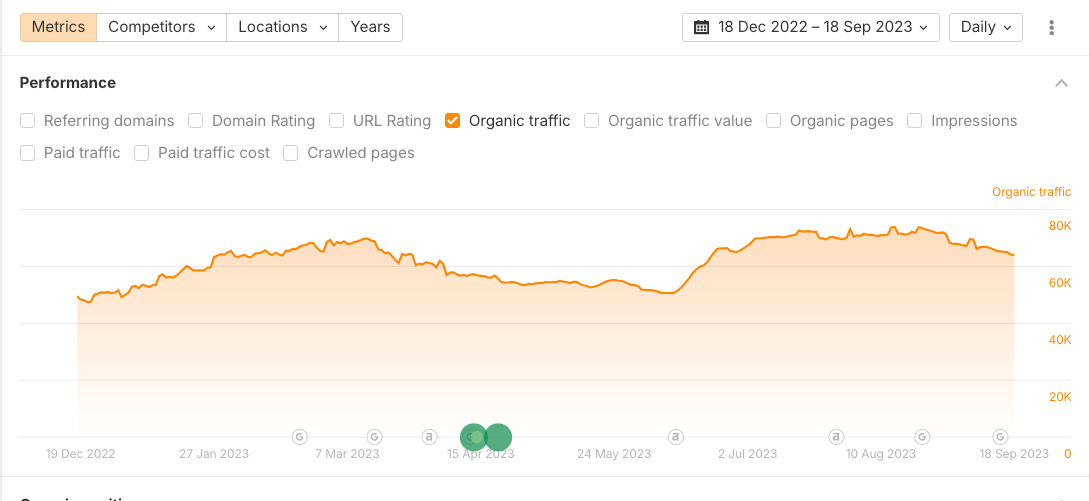
It worked because search engines value links that are earned naturally from trusted sources. By focusing on relevance, quality, and manual implementation, we helped the client build long-term credibility.
The image clearly shows the gradual upward trend in organic traffic, highlighting how consistent link building drives performance gains.
Conclusion
While automated tools may seem faster and easier, manual link building remains the most reliable way to build high-quality backlinks.
These links help grow your authority and improve your search rankings. By practicing ethical link building, you ensure long-term, sustainable growth for your website.
Struggling to earn safe, high-quality backlinks?
Outreach Desk offers manual link building that improves rankings safely.
Is manual link building better than automated link building?
Yes, manual link building prioritizes quality, relevance, and long-term SEO growth over short-term, risky automation.
How long does it take to build links manually?
It depends on outreach volume, content quality, and relationship building. Expect results in weeks to months.
What tools should I use for manual link building?
Tools for prospecting, outreach, and tracking include Ahrefs and Apollo.io.
Is manual link building still effective?
Absolutely. In 2026, Manual, relationship-driven link building is safer and more effective because Google views automated tactics as unnatural.
How do I measure the success of manual link building?
Track metrics such as referral traffic, search rankings, and the overall link profile.


