Link building for financial websites means earning links from trusted, relevant sources to improve your rankings, authority, and credibility in a highly competitive niche.
Google treats financial content as high risk. This means your links do more than pass authority. They help search engines decide whether your content is safe to show to users, making real financial decisions.
Every strong link you earn supports your visibility over time. Weak or irrelevant links can slow that progress.
Key Takeaways
- A few trusted, relevant links will do more for your rankings than dozens of weak ones. Quality wins every time.
- Financial websites face YMYL scrutiny, meaning low-quality or irrelevant backlinks carry more risk than in other industries
- Links are still one of the strongest signals Google uses to judge authority. In finance, that matters more than most niches.
- Create content worth citing. Original data, useful tools, and real expert insights are what earn links without you having to chase them.
- Compliance isn’t an afterthought. Build it into your strategy from day one and your links stay live longer.
- Slow and steady wins in finance. Consistent, planned outreach is what builds the kind of trust Google rewards over time.
Why Financial Websites Need a Different Approach to Link Building
Search engines treat financial content with extra scrutiny, as your site falls under Google’s YMYL (Your Money or Your Life) classification, which means every backlink you earn or fail to earn directly affects whether Google trusts your content enough to show it to people making financial decisions.
Most standard link building strategies fall short for a financial website. And because finance is YMYL territory, two factors make this niche fundamentally different:
Google Holds Financial Content to the Highest Standard
Google’s Quality Rater Guidelines confirms that Google’s systems give more weight to content that aligns with strong E-E-A-T (Experience, Expertise, Authoritativeness, Trustworthiness) for topics that could significantly impact the financial stability or safety of people.
In practical terms, this means:
- Links from irrelevant or low-authority sites can hurt your rankings, not just fail to help.
- Your links need to come from sources that reinforce your financial expertise.
- The credibility of the linking site matters more than its raw metrics.
- A link from a respected financial publication signals to Google that your content is worth trusting.
- A link from an unrelated site showing inflated numbers tells Google the opposite.
Regulatory Constraints Limit Your Tactics
Financial services companies operate under compliance requirements that restrict what you can publish, claim, and promote. Whether you’re governed by FINRA, the SEC, the FCA, or local regulations, your content has to meet advertising standards that most link building advice ignores entirely.
Guest posts can’t make promissory claims about investment returns. Digital PR campaigns need to avoid language that regulators would flag. Even the clickable text you use needs to accurately reflect your services, without exaggeration.
In finance, link building isn’t just an SEO exercise. It’s a compliance one too.
Insight:
Build your compliance team into the link building workflow from the start. Having legal review pitch templates and guest post drafts before they go live prevents costly takedowns and protects your brand reputation.
Backlink Types That Improve Rankings in Finance
Not every link will carry equal weight in this niche. Understanding which link types deliver the most authority helps you focus resources where they matter.
Editorial Links From Financial Publications
Editorial links are links you earn when a publisher adds your page or website link inside their content because it helps their readers.
Placements in outlets like Investopedia, NerdWallet, Bankrate, Forbes Advisor, and industry-specific publications such as Financial Planning Magazine or InvestmentNews are highly trusted within the finance industry.
Earning these links takes real value. Editors want data, original research, or expert commentary worth referencing.
These links work because:
- The linking domains carry established trust in financial topics.
- Editorial context signals genuine endorsement rather than a paid placement.
- Google’s systems identify topical authority clusters, meaning a finance site linking to another finance site reinforces both.
Links From Government and Educational (.Gov, .Edu) Sources
A .edu link from a business school resource page or a .gov link from a state financial literacy portal is one of the most powerful links you can earn. These are difficult to earn, but once earned, they can be highly effective for your site.
The path almost always involves creating genuinely useful public resources such as calculators, financial literacy guides, or open datasets.
Industry Association and Professional Body Links
Start with the organizations that already exist to recognize credible firms in your niche. FPA, CFA Institute, NAPFA, and state-level banking associations all maintain resource pages and member directories.
When you earn a link from an industry association, something more meaningful happens than a standard media mention. This shows that a recognized organization has reviewed your firm, determined that it meets their standards, and has publicly chosen to place its name next to yours.
Google treats these endorsements as stronger trust signals because they come from verified industry bodies.
Contextual Links From Adjacent Niches
Getting links from related fields like real estate, legal, accounting, or small-business sites carries strong relevance signals for financial services. These sites reach the same people you want to reach, and Google notices that connection.
| Link type |
Example Sources |
Difficulty | Authority impact |
Best-fit scenario |
|---|---|---|---|---|
| Editorial Link |
Investopedia, Forbes Advisor, Bankrate | High | ★★★★★ | Original research, data studies, or expert commentary that journalists and editors want to cite |
| .gov / .edu |
State portals, business school resources | High | ★★★★★ | Financial literacy content, tools, or data that government or academic pages would reference |
| Listicle Mention |
Finance review sites, niche blogs | Medium | ★★★★☆ | Service or product features that belong in curated finance comparisons |
| Association |
Industry bodies, trade groups | Medium | ★★★★☆ | Fintech startups with membership, certifications, or partnerships with recognised finance organisations |
| Contextual Links |
Legal, HR, accounting, business blogs | Lower | ★★★☆☆ | Topically relevant content that solves problems for overlapping audiences — payroll tools, compliance guides, expense management |
How to Create Financial Content That Earns Links
Publishing the same generic tips article that everyone else has won’t earn you links in competitive finance SERPs. Link-worthy financial content needs a clear reason for someone to reference it, something that editors, journalists, and bloggers can’t find anywhere else.
Original Data and Research
The financial content that earns the most links has one thing in common: original data. And you don’t need a big research budget to produce it.
Practical approaches:
- Aggregate and analyze public data
Pull raw data from public sources like the Federal Reserve, FDIC, Bureau of Labor Statistics, or SEC filings. Package it into a clear narrative with original charts and you’ve got something journalists and bloggers will cite. Data-driven content earns links at roughly twice the rate of opinion-based content.
- Survey your audience or customer base
A financial advisor firm that surveys 500 clients about retirement confidence produces original, citable data. Journalists covering personal finance need fresh numbers. Give them yours.
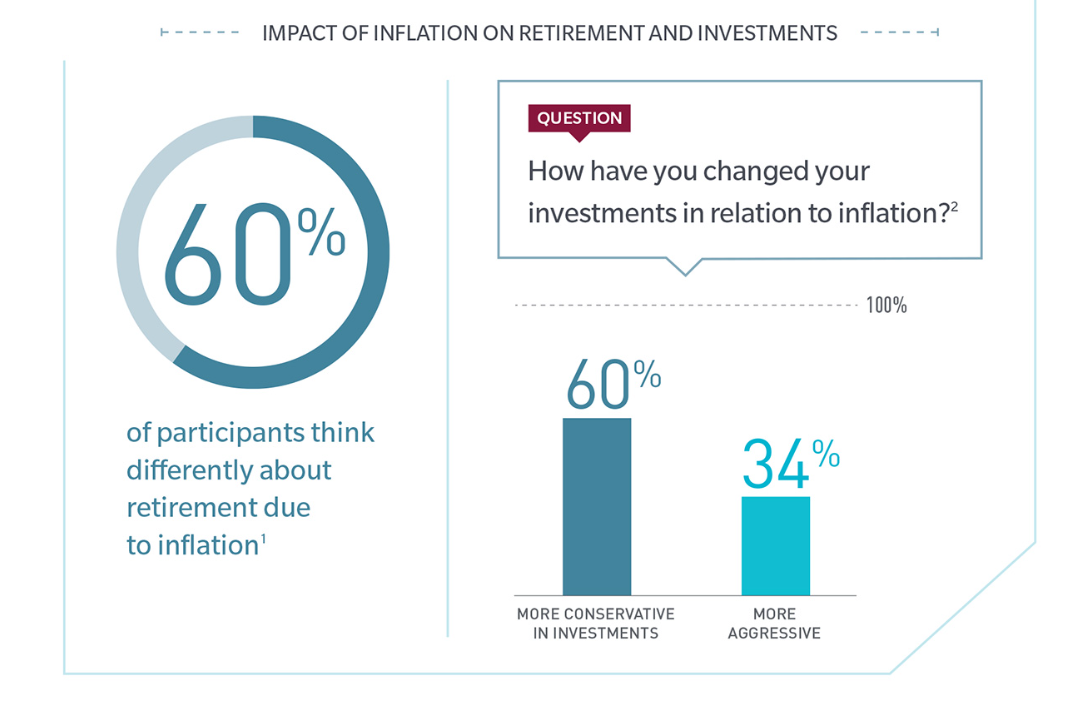
- Publish annual benchmarks
If your firm sits on proprietary data, average loan amounts, insurance claim trends, and investment return patterns, turn it into an annual report. Done consistently, it becomes a resource people link to every year without you having to pitch it twice.
Financial Tools and Calculators
Interactive tools like Mortgage calculators, tax estimators, debt payoff planners, and investment return projectors consistently earn links by attracting links from bloggers, journalists, and resource pages.
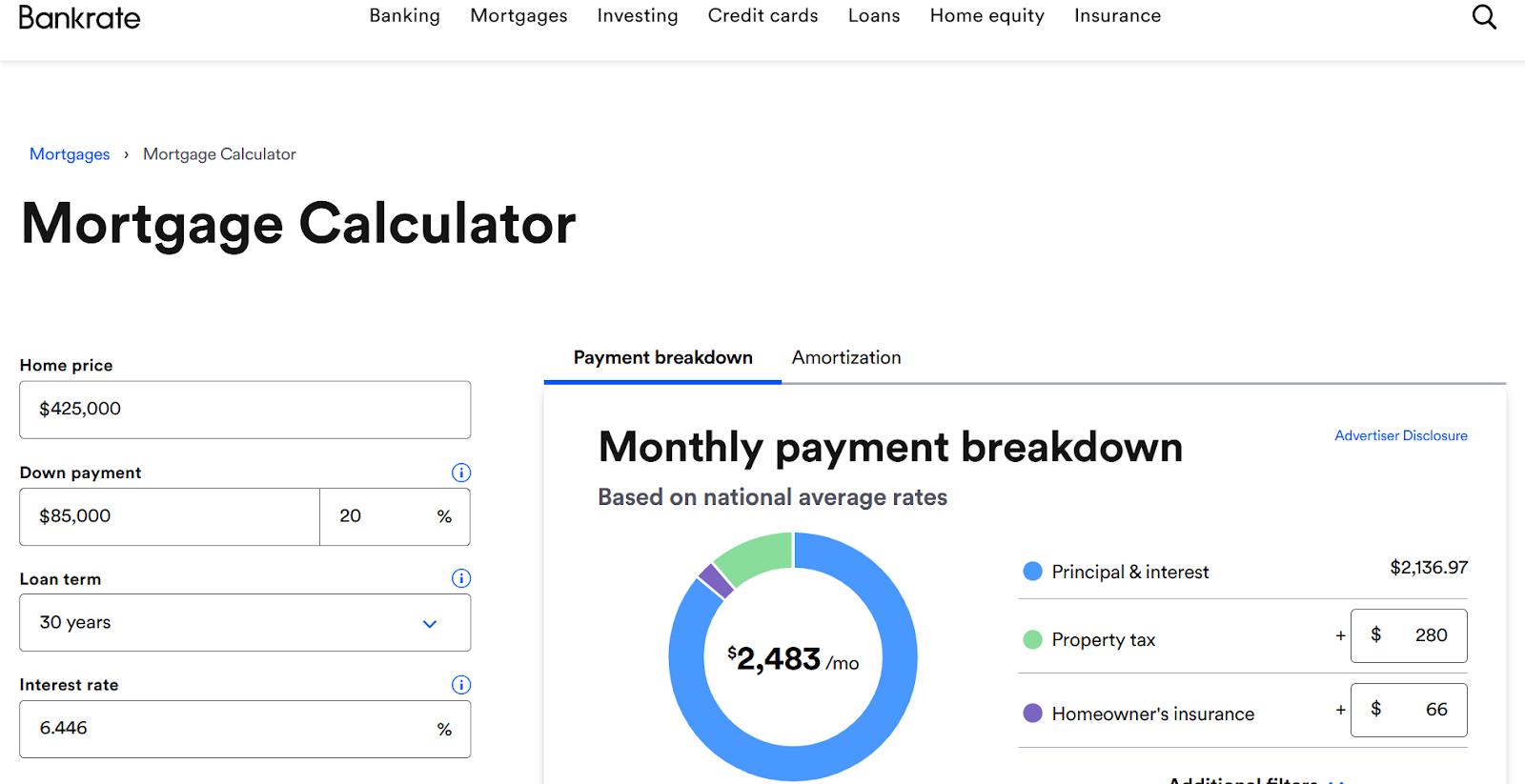
Specificity wins. A generic savings calculator won’t stand out. A freelancer quarterly tax estimator or a state-specific homebuyer affordability calculator fills a gap that existing tools miss.
Expert-led Guides on Complex Topics
Google rewards expertise in this niche. And the content that earns the most links is usually a long-form guide that goes deeper than anything else on a narrow topic.
Estate planning for blended families. Backdoor Roth IRA mechanics. Small business retirement plan comparisons. Pick a specific subject and own it completely.
Link Building Strategies for Financial Websites
Creating great content is half the equation. Getting it in front of the right editors, journalists, and webmasters requires deliberate outreach tailored to how the financial media actually operates.
Based on current industry data and the demands of YMYL content, these strategies help you build authority and achieve sustainable growth using white hat link building strategies.
Digital PR
Digital PR(public relations) is a strategy of earning media coverage and links from online publications by pitching newsworthy stories, data, or expert insights to journalists and editors.
Finance journalists constantly need expert sources. Platforms like HARO and Qwoted match reporters with experts across financial topics from mortgage rate analysis to cryptocurrency regulation.
This works well for financial websites because:
- Placements land on outlets like Forbes, CNBC, and Bloomberg.
- The links come from editorial decisions, not paid placements, which means they carry strong E-E-A-T signals.
- Your expert’s name and credentials appear alongside the link, which strengthens your authorship signals with Google.
Steps to earn backlinks through Digital PR:
- Identify journalists covering your topic, specific to your niche, using HARO, Muck Rack, or Cision

- Send an outreach email that includes a data point, explains why it matters to their audience, and offers them the full dataset.
- Follow up once. If no response, move on.

To improve results, assign 2 to 3 spokespeople with verifiable credentials, such as CFPs, CPAs, or licensed financial analysts, who can respond quickly to journalists’ queries. Most HARO-style requests close within 24 to 48 hours, so faster responses increase your chances of getting featured.
Guest Posting on Authoritative Finance Websites
Guest posting in financial sites means you write an article for an established financial website or fintech blog. They publish it. You earn a link back to your site and get your name in front of an audience that already trusts the publication.
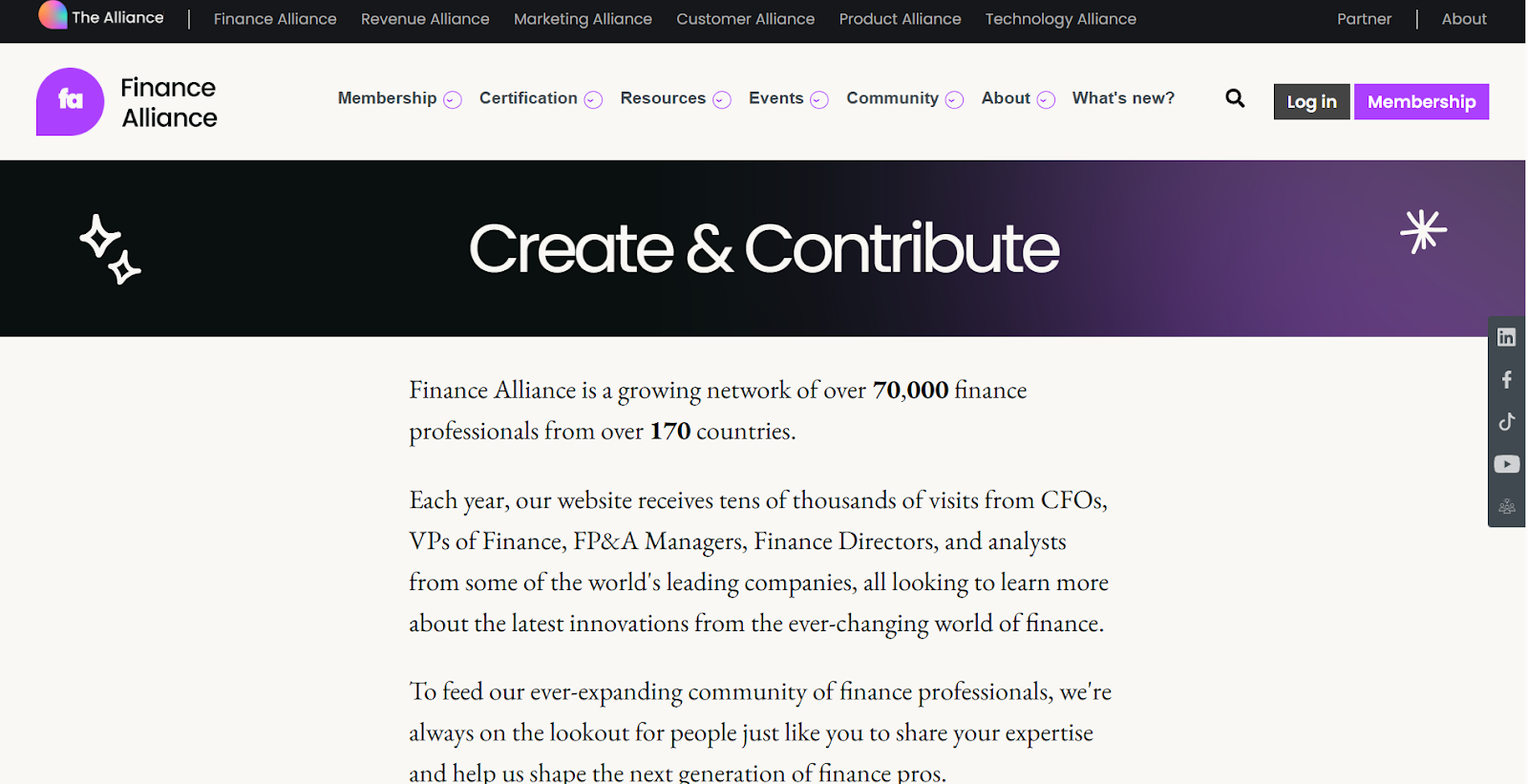
Target platforms where your actual audience reads and where real financial professionals contribute as not every site is worth your time.
The signals that tell you a site is worth pitching are named editors, clear editorial standards, and genuine readership. Many industry-specific publications accept contributed columns from credentialed professionals.
Generic articles that any writer could produce won’t land you a spot on the sites that matter. Write about what your organization knows firsthand. Direct experience, verifiable insights, real expertise.
That’s what gets you published on the sites that actually move rankings.
Warning:
Avoid mass guest posting services that promise placements on dozens of sites. In finance, even one low-quality placement on a site that sells links can put your rankings at risk. Focus on quality and relevance every time.
Strategic Partnerships and Co-marketing
Strategic partnerships and co-marketing are all about teaming up with other financial brands or fintech companies to build something together, maybe it’s a new report, helpful guides, or a campaign.
The end goal? Both sides naturally earn backlinks, and everyone wins.
Financial firms already know people in related fields, such as attorneys, real estate agents, tax pros, insurance brokers, and business advisors. Those relationships exist. Most firms just never think to use them for link building. That’s the untapped opportunity.
Approaches Include:
Co-authored research
Co-produce an industry analysis with a complementary firm and have both sites link to the final piece.
Referral resource pages
Write valuable and genuinely helpful content guides for each other’s target audiences, with cross-linking naturally
Joint webinars and events
Co-hosted events earn you event listing links, promotional links from both partners, and post-event content linking back to both organizations.
And because the audience already trusts both brands, those links drive better referral traffic than any directory placement ever could.
Resource Page Link Building
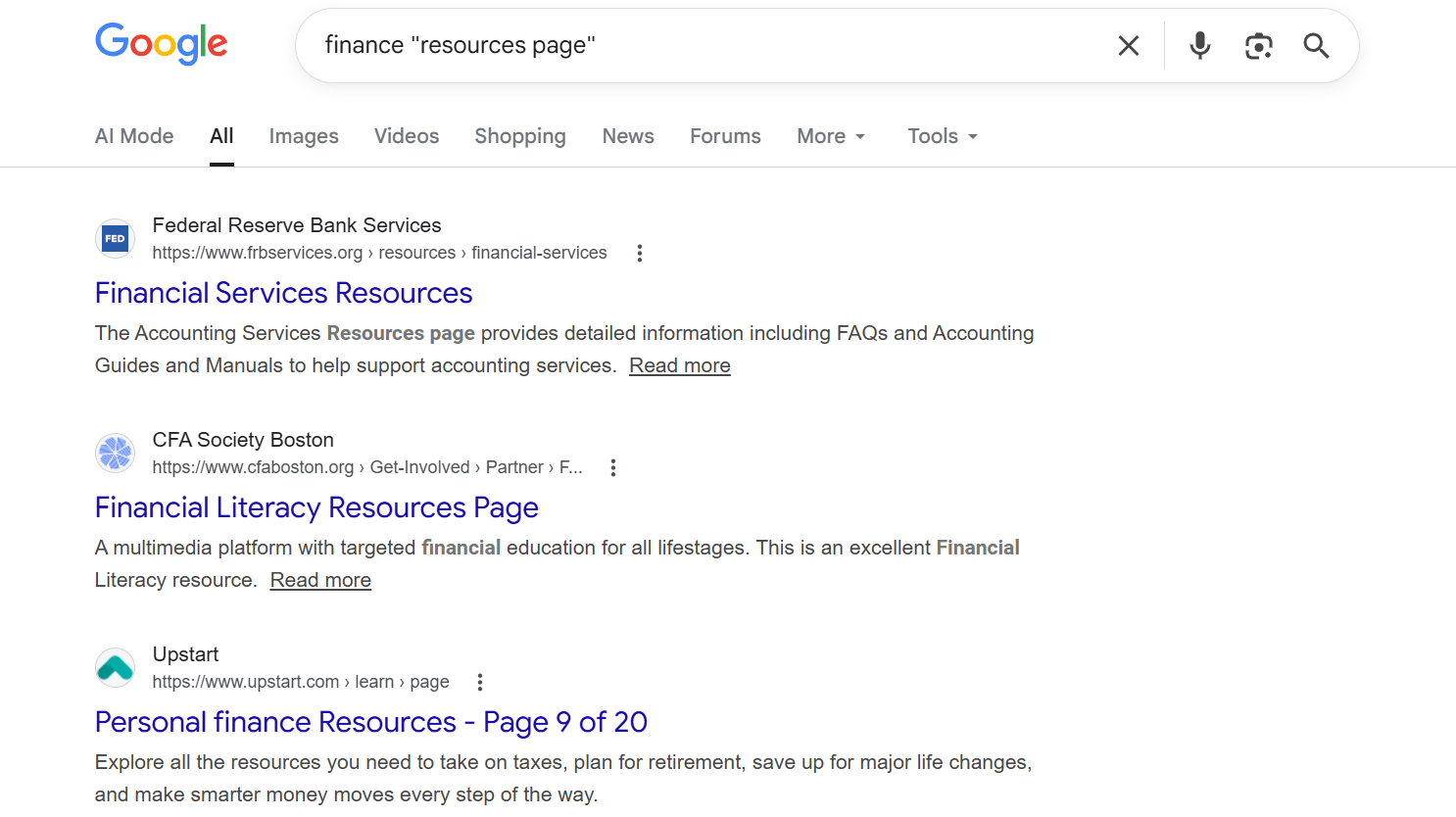
Resource page link building is the process of getting your content listed on curated pages that already link to helpful financial tools and guides.
Financial resource pages are common across .edu sites (university financial aid offices, business school resource directories), nonprofit organizations (financial literacy groups), and government agencies (state consumer protection offices).
How to earn links through resource page link building:
- Use Google search operators to find relevant resource pages.
- site:.edu “financial resources” + [your topic]
- “useful links” + “personal finance”
- “recommended resources” + “financial planning”
- “helpful tools” + “financial advisor”
- Make a list of pages that already link to similar content. Pitch your resource as an addition.
How to Evaluate Link Quality for Ymyl Sites
Financial website backlinks carry different ranking weights depending on topical relevance, editorial standards, and source authority, each assessed differently than in non-YMYL niches. In YMYL niches, a poor-quality link profile creates more risk than having no links at all. Use these criteria to evaluate every link opportunity.
| Quality Factor |
High Value |
Low Value |
|---|---|---|
| Relevance | Finance, business, or closely adjacent topics | Unrelated blogs, general directories |
| Authority |
Established publications, .gov, .edu, industry associations | New sites, thin content from link farms |
| Editorial standards |
Content reviewed before publication | Auto-approved guest posts |
| Context |
Link appears within relevant, substantive content | Sidebar widget, footer link, or author bio only |
| Traffic |
Site receives genuine organic traffic | No real traffic despite high DR |
| Link Neighborhood |
Site links to other credible sources | Links to gambling, pharma, or payday loan content |
Common Mistakes That Hurt Financial Websites
Avoid these common mistakes as they carry disproportionate risk in YMYL niches.
Buying Links From General-purpose Vendors
Generic link vendors that sell placements on multi-niche blogs rarely provide value to financial websites. These links often come from sites with no topical authority in finance, low content volume, and obvious link-selling patterns.
Ignoring Compliance in Guest Posts
A guest article that makes promissory claims about returns or performance can create regulatory exposure and E-E-A-T problems simultaneously.
Prioritizing Volume Over Relevance
Fifty links from unrelated blogs do less for a financial site than five placements on respected financial publications. In YMYL, irrelevant links can actively suppress your rankings.
In finance, relevance-weighted authority consistently outperforms raw link counts.
Neglecting Link Profile Maintenance
Financial sites accumulate toxic backlinks from scraper sites and spam networks. Without regular audits, these links erode the trust you’re building through quality placements.
For financial websites where every quality link is hard-won, monitor and reclaim lost link equity quarterly.
Using Identical Anchor Text Across Placements
Using identical anchor text across multiple links can look unnatural. In finance, this is even riskier because search engines closely watch for manipulation.
Too many exact-match phrases can harm your rankings. Keep your anchors varied with a mix of branded, generic, and natural phrases
Building an E-E-A-T-aligned Link Profile
Google’s algorithms look for E-E-A-T in YMYL content. Your link building should reinforce each part of your strategy.
Experience
Earn links from content that shows your organization’s actual work, such as case studies, campaign outcomes, and real numbers.
Expertise
Target placements on sites that require contributor credentials. Financial trade publications, CFA Institute resources, and professional association platforms all validate your expertise through their own editorial screening.
Authoritativeness
Build relationships with financial journalists and industry analysts who can reference your brand as a go-to source. Each mention, with or without a dofollow link, strengthens your authority footprint.
According to DemandSage’s analysis of link building trends, approximately 73.2% of marketers believe backlinks influence the chance of appearing in AI search results.
Early evidence suggests authoritative sources are more likely to be cited in AI-generated answers, but Google has not confirmed links as a direct factor.
Trustworthiness
Google has stated that trust is the most important component of E-E-A-T. For link building, trust means:
- Links from sites with their own established trust signals
- No association with sites flagged for misinformation, thin content, or link selling
- A clean link profile with no suspicious spikes in acquisition velocity
Insights
Conduct a quarterly backlink audit using tools like Ahrefs or Semrush. Disavow any links from toxic sources before they accumulate enough to trigger algorithmic flags. For financial sites, this is preventive maintenance, not optional.
A Practical 90-day Link Building Plan for Financial Websites
Rather than attempting every strategy at once, phase your approach based on what your organization can execute with quality. 90 days is the starting point, not a finish line.
Days 1–30: Foundation
- Start by auditing your backlink profile and disavowing risky links
- Choose 3-5 credible spokespeople with real financial credentials
- Set up monitoring on journalist platforms (HARO, Qwoted)
- Begin building one strong linkable asset (data analysis, survey, or benchmark report)
- Map 10 high-authority targets for your outreach in the future
Days 31–60: Active Outreach
- Respond 10-15 journalist queries with expert commentary
- Pitch 3-5 guest contributions to targeted financial publications
- Launch your first linkable asset(calculator, interactive tool or data report)
- Identify 2-3 strategic partners in your space for co-marketing opportunities
Days 61–90: Scale and Measure
- Review which outreach efforts generated placements and adjust resource allocation
- Publish a second research piece around a key date in the financial calendar
- Expand your outreach to related niches like real estate, legal, and insurance
- Track ranking movement for your target keywords and adjust where needed
- Write down your process so it stays repeatable and compliant
An average link building campaign takes 3–6 months to show measurable ranking movement. Financial websites usually take longer because the competition is steeper and Google takes more time to trust new signals in this niche. Plan accordingly.
Conclusion
Link building for financial websites requires a careful and strategic approach. It’s not about getting more links, but earning the right ones from relevant and trusted sources. When you focus on quality, relevance, and natural link building, you build authority that helps your rankings grow over time.
Ready to build authority and long-term growth for your finance website?
Get a clear link building strategy that helps you earn trusted links, build authority, and grow your rankings without shortcuts or empty promises.
Does Link Building Still Work for Financial Websites in 2026?
Yes. Links remain one of Google’s strongest ranking signals. The more competitive your target keyword, the more your link profile determines where you rank. This is especially true in YMYL niches, such as finance.
How Many Backlinks Does a Financial Website Need?
There is no universal number. Focus on quality and relevance rather than hitting a specific count. A financial website with 50 high-quality links from relevant, authoritative sources will typically outrank one with 500 links from generic or low-quality sites. Monitor your competitors’ backlink profiles to benchmark your progress.
What Types of Content Earn the Most Backlinks in Finance?
Original research, proprietary data reports, financial calculators, and expert-driven market analysis consistently earn the most backlinks. Content that provides unique data points that information journalists and other financial writers cannot find elsewhere, attracts links passively over time.
How Much Does Link Building Cost for Financial Websites?
Costs vary widely. Quality editorial placements in the finance vertical command a significant cost premium over those in standard niches.
Can Link Building Trigger a Google Penalty for a Financial Site?
Manipulative link building practices such as buying links from known sellers, participating in link schemes, or using automated link tools can result in manual actions or algorithmic demotions. This risk is heightened for YMYL sites because Google applies stricter scrutiny. Stick to editorial, earned links and conduct regular backlink audits to stay safe.
Is Link Building Safe for Regulated Financial Companies?
Yes, link building stays safe for your regulated financial company when you do it right.
You earn natural links through real content, expert quotes, and data PR. Google loves these as trust signals for finance sites. Risk only hits if you buy links, use PBNs, hide sponsorships, or in any kind of link farming practices.
Regulators or Google flag sketchy tactics that break link rules or disclosure laws. You stick to organic editorial wins instead.
What Kind of Links Should Be Avoided?
Low-quality links can hurt more than help in finance. Avoid:
- Paid links without proper disclosure
- Irrelevant websites
- Sites built only to sell links
How to Measure Link Building Results?
Track progress using referring domains, keyword rankings, organic traffic, and conversions from referral traffic. Focus on trends, not short-term spikes.