Your audience is discovering brands across Google, YouTube, TikTok, LinkedIn, and more, not just search engines.
This is where SCO becomes important. Search channel Optimization helps you reach where your audience is already searching, rather than just in traditional search results.
SEO helps you rank on Google, while SCO strengthens your visibility across every major search-driven platform.
Read on to learn how SCO works and how it amplifies SEO.
What is SCO in Marketing?
SCO helps in increasing your brand’s visibility across multiple platforms. Instead of focusing solely on search engines, it enables you to optimize your entire presence, including videos, profiles, posts, and even market listings.
SCO positions your content where your audience actively consumes information.
Here’s a quick example of what SCO looks like in real searches:
When you search “forbes”, the SERPs will provide every detail regarding the query. It will give you results from YouTube, social media profiles, and marketplaces, not just the website.

This is SCO in action.
SCO expands your visibility, while SEO and link building turn that visibility into long-term authority. Your site may gain reach, but it lacks the authority signals that come from credible backlinks from reputable domains.
Social platforms use engagement-based algorithms, so backlinks don’t drive social reach directly; they mainly support your authority in Google.
However, they do strengthen search authority in the long term.
SCO connects traditional SEO with the growing need for multi-platform visibility.
The Three Pillars of SCO Marketing
SCO has three pillars that improve how people find and engage with your brand.
Search Channel Optimization directly contributes to SEO, whereas Social Channel Optimization and Sales Cycle Optimization are indirect contributors.
Search Channel Optimization
- This strategy extends SEO by optimizing your brand’s presence across multiple platforms.
- To make your brand visible and reachable to your audience.
Social Channel Optimization
- This is a specific SCO type that solely focuses on optimizing your content and profile for social media platforms.
- To enhance visibility, engagement, and audience connections on social media.
Sales Cycle Optimization
- This strategy mainly focuses on the customer’s journey through a sales funnel.
- To deliver the right content to the potential customer and convert them into a conversion.
We’ll focus on search channel optimization because it directly strengthens your SEO results.
SCO vs SEO: The Key Differences Explained
SCO Marketing and SEO share the same goal: visibility and conversion. However, they approach it from different angles. Understanding the overlaps and their differences helps you craft a strategy that builds both exposure and authority.
SEO focuses on organic ranking.
SCO focuses on discovery across platforms where people search, scroll, or consume content.
Here’s the precise comparison of the SCO and SEO side-by-side.
| Factors | SEO | SCO |
|---|---|---|
| Focus | Search Engine Ranking | Multi-platform Discovery |
| Core Metrics | Referring domains, organic rankings, and CTR | Engagement, Shares, and Reach |
| Longevity | Majorly long-term authority and sustainable traffic. | Often short-term and trend-oriented. |
| Integration Point | Link Building | Brand visibility and social proof. |
How SCO Supports Link Building
The more visibility your content gains, the greater the chance that journalists, bloggers, or creators will refer to it. That ultimately leads to earned link building.
For example,
- A trending YouTube video
- A shared LinkedIn post
- A trending X infographic can trigger journalists and bloggers to cite and link to you.
These outcomes increase the chances of earning citations and backlinks that grow your authority.
Every piece of content creates visibility and a chance for someone to link to you.
Why Link Building Remains The Core of SCO Success
SCO expands your brand’s reach across multiple platforms, whereas link building enhances that visibility into long-term authority.
Visibility helps you get discovered, but backlinks are what strengthen your authority in the long term.
Even if your content is performing well on TikTok, LinkedIn, or YouTube, only high-quality backlinks can effectively reinforce your domain authority and improve organic search rankings.
This is why we focus on white-hat link-building strategies that earn links through ethical editorial placements, collaborations, and digital PR.
The Authority Multiplier Effect
SCO widens your reach by putting your brand in front of people across multiple search-driven platforms. Link building drives credibility, indicating that your brand is worthy of trust and a high ranking.
Together, SCO and link building create opportunities to earn mentions that ultimately lead to backlinks, and those backlinks improve long-term visibility.
Why SCO without Backlinks Fails Long Term
Social algorithms prioritize trends, valuing speed over consistency. As the engagement drops, so does the visibility. But if your content is linked to credible domains, it earns long-term value in search engines and in referral traffic.
A viral social post may get thousands of views, but without backlinks, the lift disappears quickly.
Links extend the value of your SCO campaign; they help you turn short-term engagement into long-term visibility.
How to Align SCO with Link Building Strategy
You need a clear system that turns visibility into long-term authority. SCO helps people discover your content, but link building strategies ensure that that discovery translates into ranking, trust, and long-term authority.
Here is the 5-step process that integrates SCO and link building.
Step 1: Audit your Visibility Channels
Before you scale your SCO efforts, analyze your brand’s current visibility.
For Search: Use Google Search Console, Ahrefs, or SEMrush to find the top-ranking page.
For Videos: Look for YouTube analytics to assess engagement.
For Social: Analyze the high-performing content on LinkedIn, Instagram, or TikTok.
This shows where your visibility is coming from.
Step 2: Create High-value Content Worth Linking To
Once the gaps in your content are identified, it’s time to focus on creating valuable content that works for both SCO and generates backlinks.
Some formats consistently work well across platforms and earn links.
- Content with data and original studies, including graphs and insights.
- Sites with case studies, testimonials, and success stories (with your brand).
Create assets people want to share and publishers want to cite.
Step 3: Use SCO to Distribute and Amplify the Content
To earn links, your content needs visibility first, and that’s where SCO helps.
- Influencers’ mentions and social media mentions.
- Video summaries for discovery channels.
- Newsletters and articles on LinkedIn.
- Real-world engagement (Reddit and Quora)
The chances of visibility increase as content is discovered, shared, and ultimately linked by publishers or bloggers across multiple platforms.
Step 4: Use Outreach to Secure Backlinks from Engagement
Once your content gains visibility through SCO, link building outreach helps convert high engagement into potential backlinks by connecting with creators who are genuinely interested in your content.
- Reach out to the creators and publishers who have already engaged with your content.
- Personalize your outreach to showcase the value of linking to your site’s resources.
- Focus on offering content that provides value, such as expert quotes, supporting data, and studies.
Step 5: Measure Referral Traffic & Link Metrics Together
The final step is integrating visibility and authority so they work together.
By tracking SCO engagement and SEO authority, you can identify which campaign builds lasting equity.
Content That Attracts Both Click and Links
Not all content earns authority and attention. The key is to create assets that engage both publishers and users alike.
The top-performing content includes
- Original data and studies.
- Educational evergreen content.
- Case studies.
- Tools, calculators, and templates.
These methods not only drive visibility but also attract natural backlinks from journalists, bloggers, and creators.
Best Practices for SCO-Driven Link Acquisition
To establish long-lasting authority, you need a strategy that converts engagement, mentions, and trends into high-quality backlinks.
Leverage Trending Topics for Natural Link Gain
Stay alert to the industry discussions and trends that align with your niche. Posts on platforms like LinkedIn or Reddit attract bloggers and journalists seeking insights or expert citations.
Repurpose Viral SEO Content into Linkable Assets
Not every high-engagement post earns backlinks. You need to turn it into something worth clicking. Restructure your best-performing content that publishers love to link to.
Use Mentions and Tags to Find Natural Linking Opportunities
Social tags can be a benefit for you and provide a backlink opportunity, especially when mentions come from creators, journalists, bloggers, or websites in your niche.
Use tools such as:
Brand24: For Monitoring
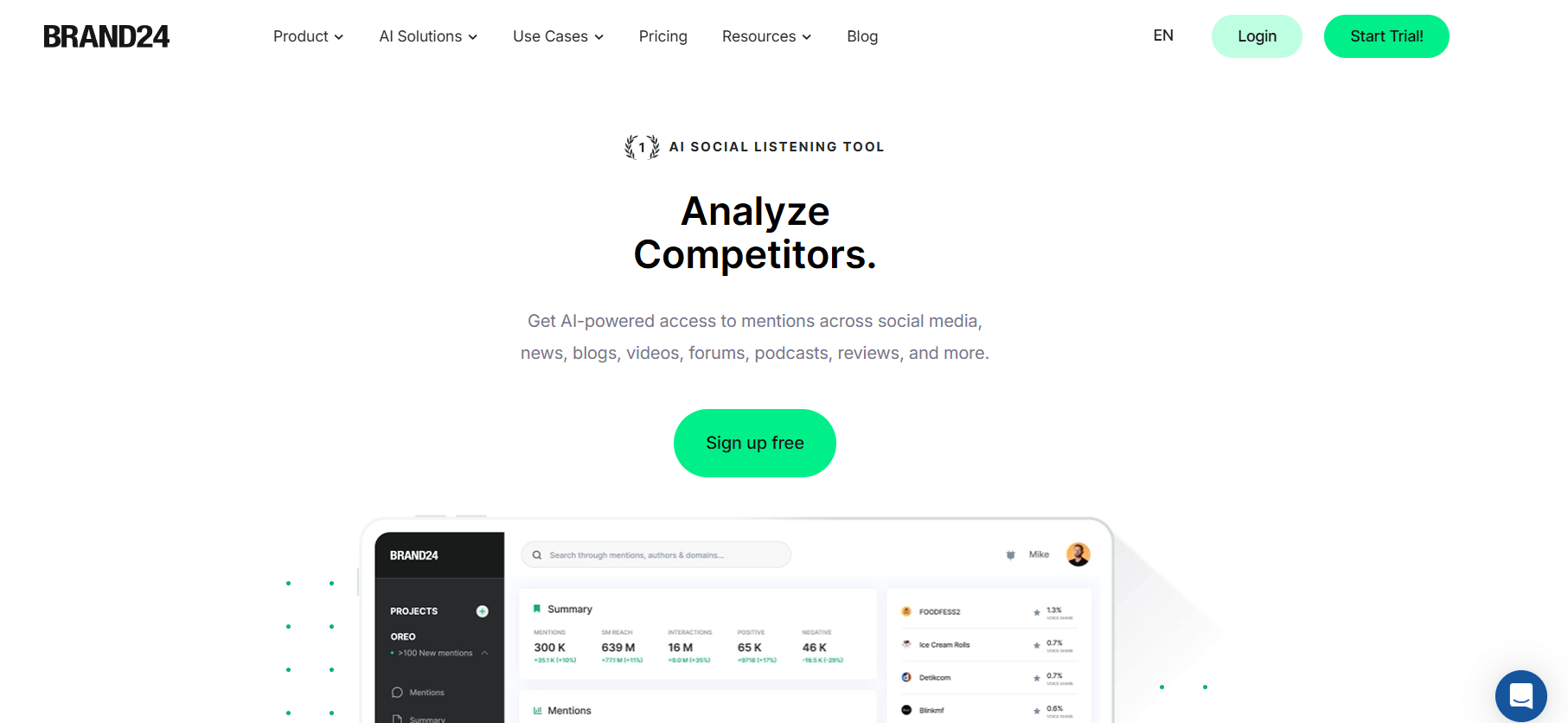
Brand24 is a social listening and monitoring tool. It gathers mentions of your brand or keywords across a wide range of public sources, including social platforms, blogs, news sites, forums, podcasts, and reviews.
It supports real-time tracking and provides metrics such as reach, sentiment, and volume of mentions.
You can generate reports, create alerts when things are mentioned, and track hashtags, backlinks, and competitive mentions.
Google Alerts: For unlinked brand mentions
Google Alerts is a free, simple tool for tracking when your brand or keyword is mentioned on the web. By default, Google Alerts only notifies you of mentions; it does not tell you whether those mentions link to your website.

Aherfs Content Explorer: For Citation Tracking
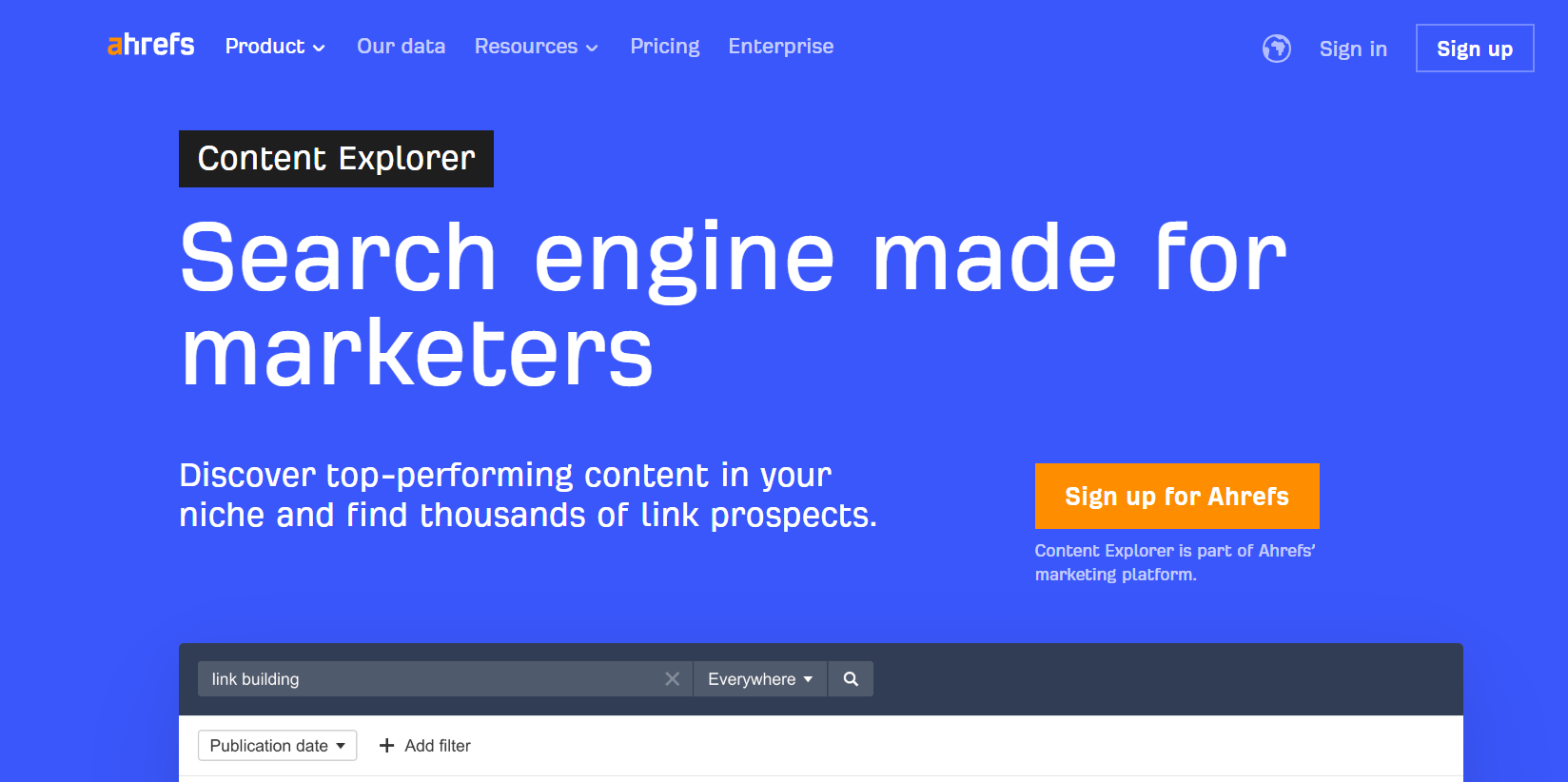
Ahrefs Content Explorer is a huge searchable database of billions of web pages. It lets you find places where your brand, content, or name has been mentioned, even if they did not link back to you.
This makes it a powerful tool for:
- Citation tracking
- Finding unlinked mentions
- Discovering content using your ideas, quotes, and statistics
- Monitoring competitor mentions
- Identifying link-building opportunities
Convert SCO Driven Mentions into Backlinks
Your SCO campaigns often generate indirect mentions through YouTube videos, podcasts, guest posts, and other channels. The key is to systematically convert mentions into links.
At the Outreach Desk, we follow this process:
- Identify SCO-driven mentions by monitoring tools.
- Identify high-authority sites by filtering DA and DR metrics.
- Craft a personalized outreach for high engagement.
- Request a contextual link to the relevant page or assets
Building Digital PR Around the SCO Campaign
Combine digital PR with SCO engagement to acquire links when your campaign highlights original research, expert quotes, or innovative pitches to journalists and bloggers. This maximizes editorial backlinks.
Case Study: SCO and Link Building Synergy
Let’s look at how a B2B SaaS brand partnered with Outreach Desk to turn its visibility into measurable SEO growth.
Background and Challenge:
Before optimizing their SCO strategy, the brand used traditional SEO techniques. Their rankings were flat, and referral traffic barely moved.
However, the brand’s social engagement was strong, their content was performing well on LinkedIn and YouTube, yet their visibility was not converting into backlinks.
Their pain point: Achieving great content reach with low authority.
Our Goal: Integrate SCO with a strong link-building strategy to enhance long-term SEO performance.
Strategy And Implementation:
We designed a hybrid campaign that combines SCO exposure with targeted link outreach.
- Multi-platform SCO promotion
- Restructured top-performing blogs into LinkedIn, YouTube, and Twitter Threads to amplify their reach and performance.
- Leverage trending topics to boost engagement.
- Authority content creation
- Developed data-packed articles and infographics to boost engagement.
- Created a central linkable asset “marketing trends 2026”
- SCO to link conversation via Outreach Desk
- Tracked mentions and social shares across various platforms.
- Performed outreach to journalists and bloggers who work in a similar niche.
- Requested backlinks to the original reports.
Research and Key Takeaways:
| Metrics | Referring Domains | Organic Traffic | Domain Authority | Branded Search by Volume |
|---|---|---|---|---|
| Before | 120 | 22,000 per month | 38 | – |
| After 6 Months | 192 | 29,000 per month | 44 | +33% |
Start Building Authoritative Links That Amplify Your SCO
SCO helps your brand to get recognition, but it’s link building that turns visibility into authority. Every top-performing post becomes even more valuable when it’s supported by credible, authoritative backlinks.
If you want lasting visibility, shift your focus to backlinks that strengthen your SEO performance, while your SCO efforts expand your reach across multiple platforms.
Outreach Desk specializes in ethical white hat link-building strategies that complement your SCO efforts. Our approach ensures that we provide not only visibility but also lasting trust for your site.
If you want your SCO visibility to turn into long-lasting authority, you need links that actually contribute to your site’s growth.
So, let’s plan your link strategy and the authority that your site deserves.
Drive AI Search Visibility with High-Authority Backlinks
We combine relevance, authority, and authenticity to secure links that strengthen your SEO footprint and maximize brand visibility across search and AI platforms.
FAQs – SCO Marketing & Link Building
Can SCO replace link building?
SCO cannot replace link building; instead, it amplifies it. It helps your site gain visibility, but the real game is
link building, where linking to authoritative sites demonstrates relevance and trust.
How soon can I expect to see results from SCO and link building?
The success of SCO depends on several factors within your business, including your starting point, competitors, and consistency.
Is the Outreach Desk’s approach compliant with Google guidelines?
The Outreach Desk adheres to Google-approved guidelines for sustainable and transparent link building, ensuring long-term SEO success.