Travel Link Building Agency That Earns Editorial Placements
Your travel brand earns backlinks from the publications your buyers read. Real editorial outreach connects you with writers and editors who feature you on merit.

Top-Tier Travel Publication Links
PR-Grade Editorial Outreach
No Travel Blog Networks

4.9/5
Trusted by agencies
and brands worldwide.
Editorial Authority Score
91/100
Campaign Dashboard
EDITORIAL PLACEMENTS
61 unique publications
AVERAGE DR
Travel + lifestyle mix
TOP-TIER COVERAGE
DR 80+ travel media
ORGANIC TRAFFIC
18,400 → 88,200

Editorial Links Only
100% Human Outreach





Service Overview
Why Travel Link Building Is Harder to Get Right
Travel is one of the hardest verticals for link building.
The publications that matter most are editorially gatekept. These are the outlets your buyers read before they book. Condé Nast Traveler doesn’t accept guest posts. Lonely Planet doesn’t run paid insertions. National Geographic Travel, Travel + Leisure, newspaper travel desks, and the handful of high-authority travel sites that move rankings all operate the same way. They publish what their editors decide is worth publishing.
Most agencies work around this with what’s available: moderate-DR blog networks, content farms, and paid placements dressed up as editorial content. None of it holds real weight. Those links are inexpensive for a reason. Google knows what a travel blog network looks like. Those link profiles pass limited authority. They look nothing like your strongest competitors’ profiles.
Real travel link building uses PR-grade editorial outreach. Your team pitches writers and editors with compelling story angles, destination data, expert quotes, and travel insights editors actually want to publish. The link is earned when the pitch lands. It sits in content the publication chose to run, surrounded by other quality outbound links, attributed to a writer with a real byline.
In a vertical this competitive, the gap between a profile built on real editorial links and one built on blog networks compounds fast. The brands at the top of travel search aren’t there because they found a shortcut. They’re there because someone did the hard outreach work.
Three things define travel link building done right:

Editorial Publication Outreach
Your team pitches writers and editors at travel publications directly, using story angles that earn coverage rather than bought placement.

Travel-Specific Content Strategy
Every pitch is built around what travel editors want: destination angles, data hooks, traveler insights, and stories with a clear editorial peg.

Seasonality-Aware Campaigns
Link velocity and outreach timing align with travel booking seasons so your authority builds when buyer search intent is highest.
How We Work
How Your Travel Link Building Campaign Works
An editorial outreach workflow built for travel, coordinating content strategy, publication targeting, and seasonality in one campaign.
Your campaign starts with understanding exactly what’s ranking and why.
Your strategist analyzes the backlink profiles behind the top-ranking travel brands in your category, whether hotels, tour operators, OTAs, destination guides, or accessories, depending on your space. The audit maps which publications appear most often, which link types drive authority in your vertical, and the gap between your current profile and the brands above you.
Travel SERPs are distinctive. User-generated content platforms, major travel media, and destination guides dominate most category queries. Your strategist identifies which publication types are actually influencing rankings in your specific category before a single outreach email goes out.
Your team builds the target publication list for your specific travel category and audience.
For a luxury resort, that’s Condé Nast Traveler, Travel + Leisure, Robb Report, and upmarket lifestyle media. For a budget airline, it’s The Points Guy, NerdWallet Travel, travel deal publications, and consumer outlets. For a tour operator, it’s adventure travel media, destination guides, and the travel sections of major newspapers. Each travel category has its own editorial ecosystem, and your targeting reflects that.
Publications are assessed on authority, topical relevance, real audience size, and editorial accessibility. Some require media contact relationships your team already has. Others respond well to cold editorial pitches. The outreach strategy adapts to the specific publication.
Your team develops the editorial angles that travel writers and editors actually pitch to their audiences.
Generic brand mentions don’t earn links in travel. Destination data, original research, traveler surveys, expert commentary, unique itineraries, and timely travel hooks do. Your team builds the story angles that give editors something genuinely worth publishing, then matches each angle to the publications most likely to run it.
Seasonality drives travel editorial calendars. Your team plans outreach angles around booking seasons, holiday travel periods, and the natural rhythm of when travel publications cover destinations and experiences relevant to your brand.
Your outreach specialists contact writers and editors directly with personalized pitches tailored to each publication’s coverage style and current editorial focus.
Travel editors receive hundreds of generic pitches weekly. Pitches that land read like they were written specifically for that publication, because they were. Your team researches each editor’s recent work, identifies the angle most likely to resonate, and frames your brand’s inclusion as genuinely useful to their readers.
Reply rates reflect the quality of this work. Templated travel outreach produces 1 to 3 percent reply rates. Personalized editorial pitching consistently runs at 12 to 18 percent, because travel writers respond to pitches that give them something their readers want.
When editors express interest, your content team develops what they need to publish.
For features and roundups, that’s expert commentary, data, destination insights, or experience descriptions your brand can credibly provide. For contributed content, that’s full articles written to the publication’s style and standards. Every piece is written to earn its place, not to get the link out. The link comes because the content is good enough for the publication to run.
Content goes through your team’s review so accuracy, brand voice, and compliance requirements (especially for travel insurance or financial products) are met before the piece reaches the editor.
You receive monthly reports covering placements, publication authority, anchor distribution, and ranking movement on your priority travel keywords.
Travel campaigns run differently from steady-state campaigns in other verticals. Your strategist adjusts outreach intensity and story angles quarterly to align with booking seasons, travel trend cycles, and the editorial calendars of your target publications. The report includes a forward-looking recommendation for the next 30 days, so your campaign stays timely rather than static.

Expected Results
Outcomes That Travel Link Building Delivers
When your travel brand earns editorial placements in the publications your buyers trust, the authority compounds into rankings, traffic, and bookings.
Links From Publications Your Buyers Actually Read
The publications that matter in travel are the ones your buyers open when they’re planning a trip.
Earning links from them passes the kind of authority that’s hard to replicate, because those publications editorially choose every outbound link. A link from Condé Nast Traveler or Travel + Leisure signals to Google that a trusted travel authority found your brand worth mentioning. That signal is categorically different from a travel blog link or paid insertion.
One luxury hotel group earned 14 placements in DR 80+ travel and lifestyle publications in their first eight months. Their domain authority climbed by 19 points, and their category keywords moved from page 3 to page 1 across their three primary destination searches.

Rankings in One of Search’s Most Contested Verticals
Travel search is dominated by OTAs, aggregators, and major media. Independent travel brands competing for visibility need backlink profiles that match their competitors’ scale.
Editorial links from genuine travel publications close that gap faster than links from travel blog networks, because they’re the same type of link your strongest competitors have. Ranking gains from real editorial authority hold through algorithm updates, because they’re built on the same signals Google is explicitly trying to reward.
Clients running sustained editorial travel campaigns regularly move into competitive positions on destination and category keywords where OTAs have historically dominated. The gains show up most on longer-tail destination and experience queries where editorial authority outperforms paid search.

Traffic From Readers Who Are Planning to Travel
Travel publication readers aren’t browsing casually. They’re planning trips.
Someone reading a Condé Nast Traveler roundup of the best boutique hotels in Lisbon is looking at your brand at the exact moment they’re deciding where to stay. Referral traffic from editorial travel placements converts differently from informational search traffic, because the reader’s intent is already at the booking stage when they click.
Brands that earn editorial placements across major travel publications see referral traffic that completes booking flows at rates well above their average organic traffic. The audience self-selects for travel intent before they arrive.

Authority Built to Peak When Buyers Are Searching Most
Travel search follows seasonal patterns. Caribbean searches peak in winter. European destination searches peak in spring and summer. Holiday travel searches surge in autumn. Ranking for your category keywords when buyer intent is highest requires authority built over months.
Your campaign runs outreach and builds links in advance of your key booking seasons, so the authority compounds into rankings precisely when your buyers are searching. Brands that build travel links on a flat monthly cadence often find they’ve missed their seasonal peak. Seasonality-aware campaigns don’t.

Client Success Stories
What Clients Say About Our Travel Link Building Agency
Verified reviews from travel brands that earned editorial placements, climbed competitive rankings, and built the authority that drives bookings.

4.9/5 

5/5 
Rating on Google



We’d used two other agencies and both delivered travel blog links that looked fine on paper but did nothing for rankings. The difference here was the publication quality. Getting into outlets our guests actually read before booking changed how our brand was perceived and how Google ranked us.

Boutique Hotel Group
Luxury Travel

The editorial pitching quality was unlike anything we’d seen from any link building agency. They understood travel media well enough to build story angles that editors actually ran with. Our team tried PR firms for this, but they couldn’t deliver the link results we needed.
Tour Operator
Adventure Travel

The seasonal strategy made a real difference. We’d always built links on a flat monthly schedule and wondered why our rankings never peaked properly in summer. Running heavier outreach in autumn and winter meant our authority built ahead of the European travel season, and this year was our strongest summer ranking performance ever.
Vacation Rental Platform
Ecommerce
Service Framework
Investment, Timeline, and Deliverables
Every travel link building campaign is scoped to your category, target publications, and seasonal priorities. Here’s what shapes your investment:

Publication tier targets
Campaigns targeting top-tier DR 75+ travel media require more intensive editorial outreach than campaigns focused on mid-tier targets.

Travel category and competition
Luxury and OTA categories are more competitive than niche adventure or destination categories.

Content development scope
Campaigns that require original research, traveler surveys, or full contributed articles require a larger investment.

Seasonal campaign intensity
Campaigns with pre-season link building pushes require higher outreach volume in specific quarters.
Directional pricing
You get a detailed proposal after your strategy call, with exact link quantities, target DR ranges, projected timeline, and a month-by-month roadmap. Full transparency on what’s included is also covered on our pricing plan page.
What You Get
Every Placement, Every Publication, Every Season Tracked
Complete transparency on per-market placement activity, native-language outreach work, and cross-market coordination, keeping your program aligned.

Live Editorial Placements
You see every editorial placement with the publication name, writer byline, story angle, and the authority metrics of each source.

Story Angle Reporting
You see the editorial pitch angle behind every placement so you understand what resonated with each publication’s editors.

Seasonal Performance Tracking
You see ranking movement across your booking seasons, so you know when authority gains are converting into peak-season traffic.

Publication Tier Distribution
You see your link profile segmented by publication tier, so you can see how top-tier, mid-tier, and niche travel placements combine.
Our Approach
An Editorial Outreach Approach Built for Travel SEO
You earn placements in the travel publications your buyers trust, not travel blog networks or paid insertions that look editorial but aren’t.
| Factor | Travel Blog Network Agencies |
 |
|---|---|---|
| Publication Quality | Travel blogs with moderate DR, often part of link networks Google increasingly identifies. |
Top-tier travel and lifestyle publications where editors choose every link on the basis of editorial merit. |
| Link Earning Method | Paid insertions in existing articles or template guest posts accepted for a fee. |
PR-grade editorial pitching to writers and editors with story angles they actually want to publish. |
| Content Strategy | Generic travel content with thin editorial value, written to get a placement, not a reader. |
Story angles, destination data, and traveler insights built around what travel editors need for their audiences. |
| Seasonality Awareness | Flat monthly link delivery regardless of travel booking cycles. |
Outreach intensity and story angles adjusted quarterly to build authority ahead of your booking seasons. |
| Long-Term Profile | Link profiles that appear to be networks on inspection and underperform relative to genuine editorial authority. |
Editorial profiles that compound in authority because they match what travel’s strongest competitors have earned. |
Who We Help
Travel Categories We Support
Whatever your part of the travel vertical, we build the editorial authority and travel-specific link profile your category’s search competition requires.

Hotels &
Resorts

Tour Operators
& Experiences

Airlines &
Aviation

Vacation
Rentals

Cruise
Lines
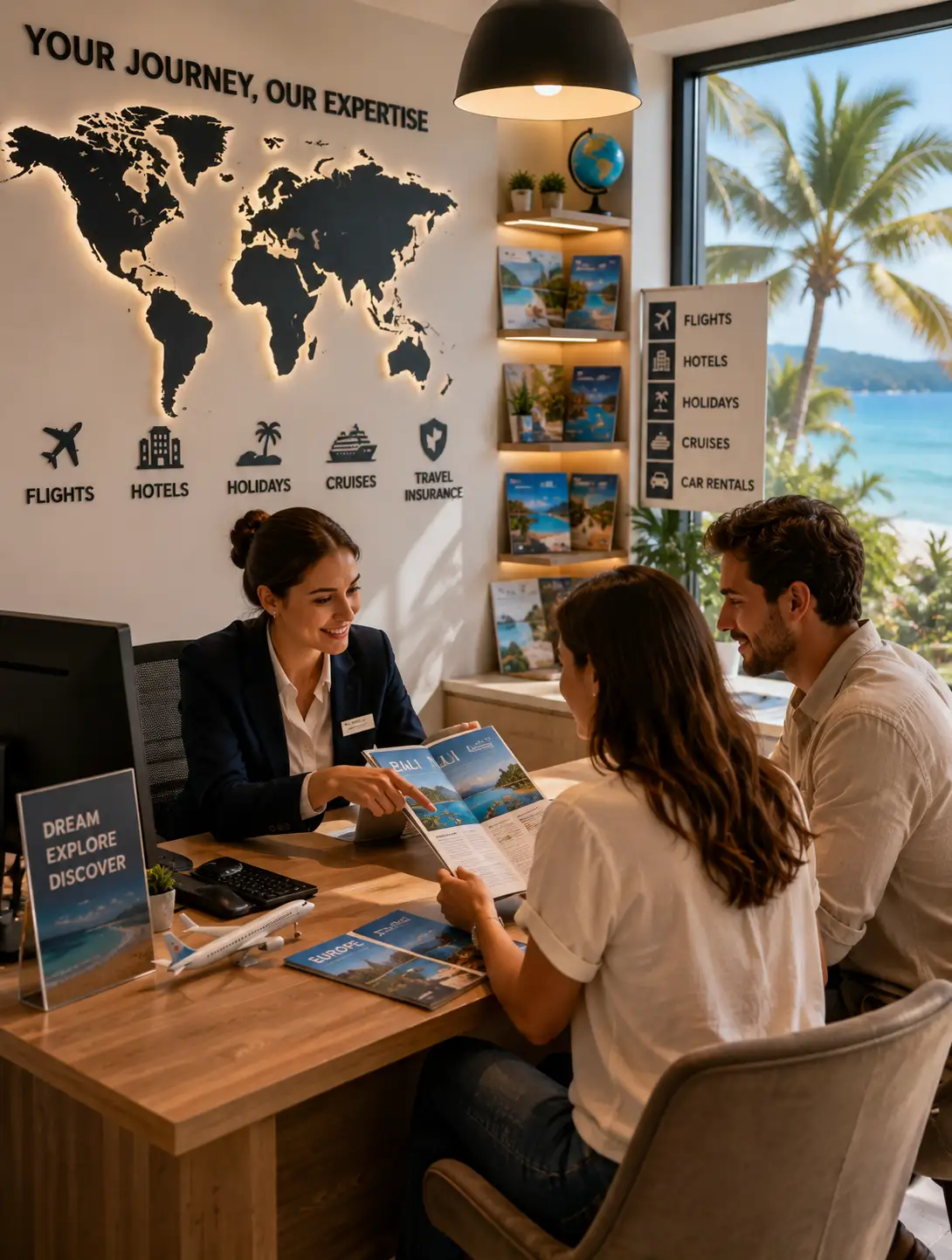
Travel Agencies
& OTAs

Luxury
Travel
Real Results
Results From Our Travel Link Building Campaigns
See the traffic, ranking and authority gains from recent campaigns.
Common Questions
Frequently Asked Questions
Get clear answers to the most common questions about native-speaker outreach, local publisher vetting, and multi-market reporting.
Travel is editorially gatekept. The publications that most influence travel rankings (Condé Nast Traveler, Lonely Planet, Travel + Leisure, and major newspaper travel sections) all operate with editorial standards that exclude paid placement. Most link building tactics that work in other verticals don’t work here. You can’t buy your way into these publications.
You earn links through genuinely compelling story pitches to writers and editors who choose to include you. That requires travel-specific editorial knowledge, media relationships, and support of a specialized link building agency with experience earning editorial coverage for travel brands. Agencies without this background default to travel blog networks, which deliver link volume but not the authority that moves rankings.
Travel editors publish what their readers want to read. Pitches that land give them something useful: destination data their readers haven’t seen elsewhere, a unique travel angle on a trending destination, expert commentary from someone with real travel authority, or a timely hook tied to current travel trends.
Generic pitches about “why our hotel is great” or “top 10 things to do in X” don’t land because editors receive hundreds of them weekly. The pitches that earn coverage are specific, timely, and genuinely serve the publication’s readers. Behind successful campaigns is an experienced editorial outreach team that understands how travel journalists evaluate stories.
Travel search intent closely follows booking seasons. European city destinations peak in spring and summer. Holiday travel surges in autumn.
Authority needs to be building in the months before your peak season, not during it. Your campaign maps your key booking windows and runs higher-intensity editorial outreach in the preceding quarter, so link authority accumulates when it matters most. Flat monthly link building ignores this and means you’re often building authority after your peak has passed.
Both. Large travel brands and OTAs typically run broader campaigns targeting high-authority national and international travel media. Smaller tour operators, boutique hotels, and niche travel brands often see stronger results from a focused strategy that targets the publications their specific audience reads. That beats competing on the same terms as the major OTAs.
Your strategy is scoped to what’s realistically achievable and highest-value for your specific category, audience, and budget, not a one-size-fits-all approach.
Initial editorial placements typically appear within 45 to 75 days, since travel editorial pitching takes longer than standard link outreach. Editors review pitches on their own timelines, and publication lead times vary.
Ranking movement on target keywords typically follows in months 4 to 6 as authority accumulates. Seasonal ranking peaks, where your authority converts to traffic and bookings during your peak booking windows, usually show clearly by the first full booking cycle after the campaign reaches steady velocity.
Campaigns typically start at $5,000 per month for focused programs that reach 6 to 12 editorial placements in relevant travel and lifestyle publications each month. Campaigns targeting top-tier travel media with original content development for editorial pitches range from $10,000 to $20,000+ monthly.
Pricing reflects the editorial outreach intensity, content strategy, and media relationship work required to earn placements in a vertical where the highest-value publishers don’t accept paid insertions. You get a detailed proposal after your strategy call with publication samples and a seasonal roadmap.
Ready to earn editorial links from the travel publications your buyers actually read?
Get a senior strategist to audit your travel backlink profile, map your target publications, and design an editorial outreach campaign built for your booking seasons.
4.9/5
Trusted by agencies
and brands worldwide.