You want your website to rank higher and attract more visitors. The challenge is figuring out how to achieve that.
Search engines don’t rank websites randomly. They look for signals that show which pages are trustworthy, useful, and deserve visibility. One of the strongest signals is high-quality backlinks.
When other relevant websites link to your content, it shows search engines that your page offers value and can be trusted.
By using the right link building strategies, you can earn quality backlinks that build your website’s authority and support long-term growth in search visibility.
Key Takeaways
- Link building is the process of earning links to your site from other websites.
- Quality links matter more than the number of links you build.
- The right link building strategy helps you earn relevant links and grow safely.
- Relevant and trusted websites pass more SEO value.
- Safe, white-hat strategies support long-term growth.
- Consistent, value-driven link building builds authority over time.
What’s Changed in Link Building (2026 Update)
Link building has changed over time. Earlier, the focus was on getting as many links as possible, often without much attention to quality or relevance. Here’s how it works today.
AI Search is Changing Citations
Large language models (LLMs) like ChatGPT and Perplexity rely on trusted sources when deciding which content to cite.
Links from trusted websites make AI see your site as more reliable, increasing the likelihood that it will recognize and cite your content.
Quality Beats Quantity
Google’s helpful content updates reward websites that earn genuine, editorial links from relevant sources.
Which is why one contextual link from a trusted website can have more impact than dozens of low-quality directory listings.
Relationship Building Matters More
Cold outreach may work, but building real relationships with site owners, journalists, and creators leads to better, longer-lasting links.
Getting links from trusted, relevant websites is key to building authority. The difference is that link building now requires a smarter and more careful approach.
What You Need Before You Start Link Building
You can set up these basic essentials before getting started. They help your link building efforts work better and avoid wasted effort.
Tracking Tools:
- Google Search Console is a free tool you can use to monitor backlinks and referring domains.
- Ahrefs or SEMrush are paid tools you can use to analyze competitor’s backlinks and use that as an opportunity.
- Google Analytics is a free tool for checking referral traffic from websites linking to you, helping you see which backlinks drive visitors.
Outreach Tools:
- Use Hunter.io or Apollo to find email addresses.
- Use Gmail or Outlook to send personalized emails.
- Use a spreadsheet or CRM to track outreach progress.
Content Foundation:
- At least 10-15 quality blog posts or pages.
- Clear value proposition on your site.
- Professional design and fast loading speed.
You can’t build links to nothing. Make sure your site and content are worth linking to first.
3 Quick Win Link Building Tactics to Try First
New to link building? Start here. These three strategies are simple to implement and deliver quick results without complex outreach or expensive tools.
1. Reclaim Unlinked Brand Mentions
Set up Google Alerts for your brand name. When anyone on the internet uses your brand name without linking to you, you can send a quick email asking them to add a link. The success rate of this strategy is 40-60%.
2. Resource Page Outreach
Find 20 resource pages in your niche. Contact 5 per day, suggesting your content. Even a 10% success rate gives you 2 new backlinks this week.
3. Guest Posting
Identify 10 blogs that accept contributors. Pitch 3 strong topic ideas to each. Land your first guest post placement and earn a quality contextual link.
Master these 3 tactics before moving to more advanced strategies.
Choose the Right Link Building Strategy for Your Goals
Use this table to choose the right link building strategy based on your resources and timeline.
| Strategy | Difficulty | Time Investment | Best For | Success Rate |
|---|---|---|---|---|
| Create Link-Worthy Content | ⭐⭐⭐⭐ | 8-20 hours per piece | Passive/editorial links | 10-20% |
| Unlinked Mentions | ⭐⭐ | 15-30 minutes per week (once alerts are set up) | Quick wins | 40-60% |
| Resource Pages | ⭐⭐⭐ | 3-5 hours per week to find and pitch 15-20 pages | Evergreen links | 10-20% |
| Guest Posting | ⭐⭐⭐ | 30-60 min per pitch + 4-6 hours per article | Authority building | 15-25% |
| Broken Link Building | ⭐⭐⭐⭐ | 3-4 hours per week to find and pitch 10-15 opportunities | High-quality links | 8-15% |
| HARO | ⭐⭐ | 30-60 minutes per day scanning queries + responding | News site links | 5-10% |
| Digital PR | ⭐⭐⭐⭐⭐ | 40-80 hours for research + 10-15 hours for outreach | Major publications | 2-5% |
| Competitor Analysis | ⭐⭐⭐ | 4-6 hours for initial analysis, 2-3 hours per week for outreach | Targeted outreach | 12-18% |
| Niche Edits | ⭐⭐⭐⭐ | 3-4 hours per week to find and pitch 10-15 opportunities | Contextual links | 8-12% |
| Relationship-Based Link Building | ⭐⭐⭐ | 2-4 hours per week, maintaining relationships | Long-term authority | 40-80% |
| Reclaim Lost Backlinks | ⭐⭐ | 2-3 hours per month to monitor and reclaim | Recover authority | 35-45% |
| Collaborate with Influencers on Social Media | ⭐⭐⭐ | 10-30 hours per collaboration | Brand mentions & links | 20–80% |
Note- Success rates vary based on your niche, content quality, outreach personalization, and domain authority. Use these as benchmarks, not guarantees.
12 Core Link Building Strategies That Actually Work
Not all links carry equal weight. Choosing the right strategy helps you earn relevant links without putting your website at risk.
Below are the most effective link building strategies:
1. Create Link-Worthy Content First
Link-worthy assets are content pieces that naturally earn backlinks by offering real value, original ideas, and useful information. This is the foundation for earning high-quality backlinks.
Start by creating content that provides genuine value and that people naturally want to link to.
Outreach gets easier when your content is genuinely valuable. Reputable websites link to assets that are useful to their audiences.
What makes a content link worthy:
- In-depth Guides and Tutorials
- Online Tools and Calculators
- Infographics and Visual Content
- Original research and Case Studies
- Templates and Checklists
- Data reports and resource roundups
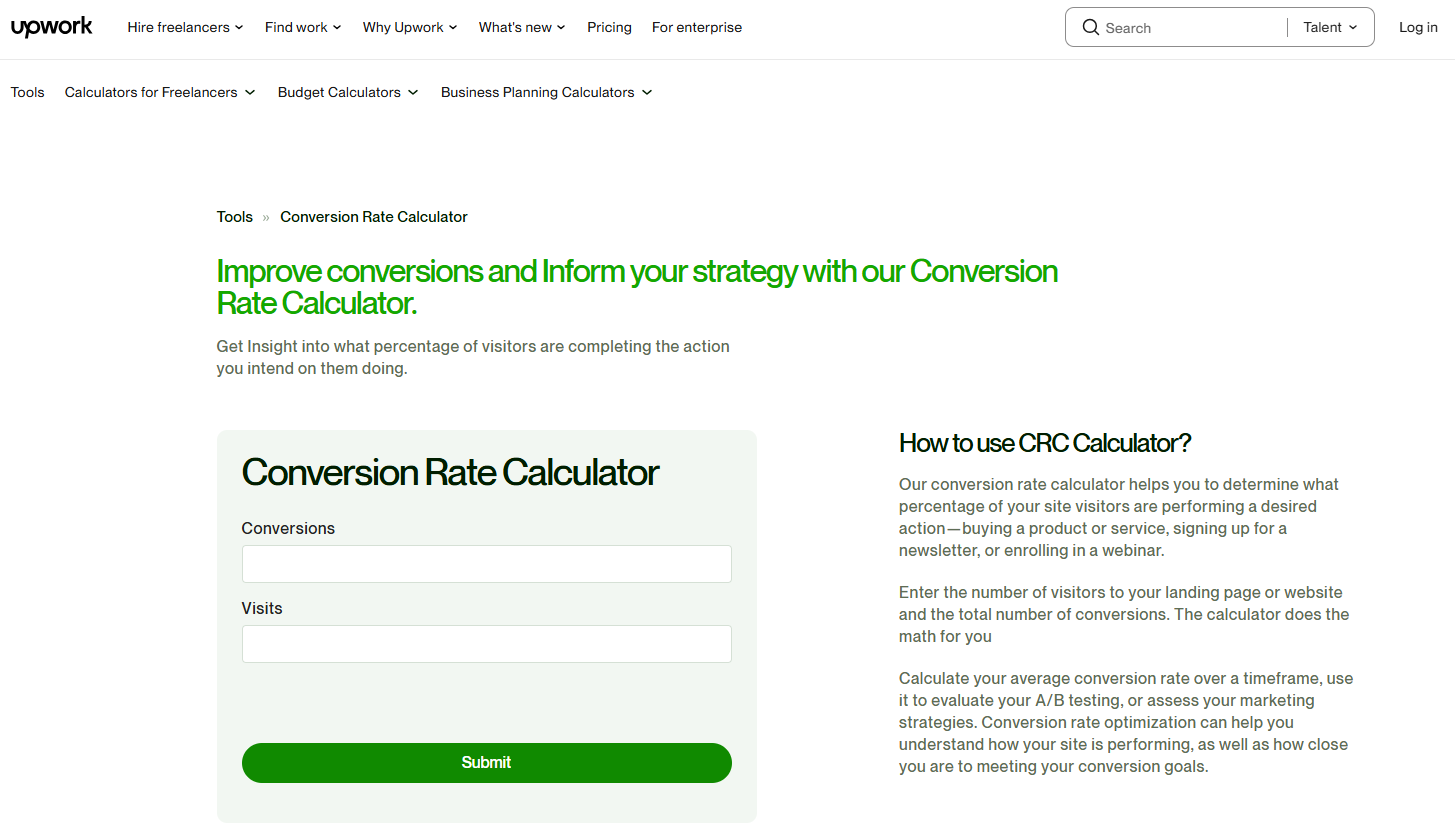
How to Create Link Worthy Content:
Step 1: Research what already earns links
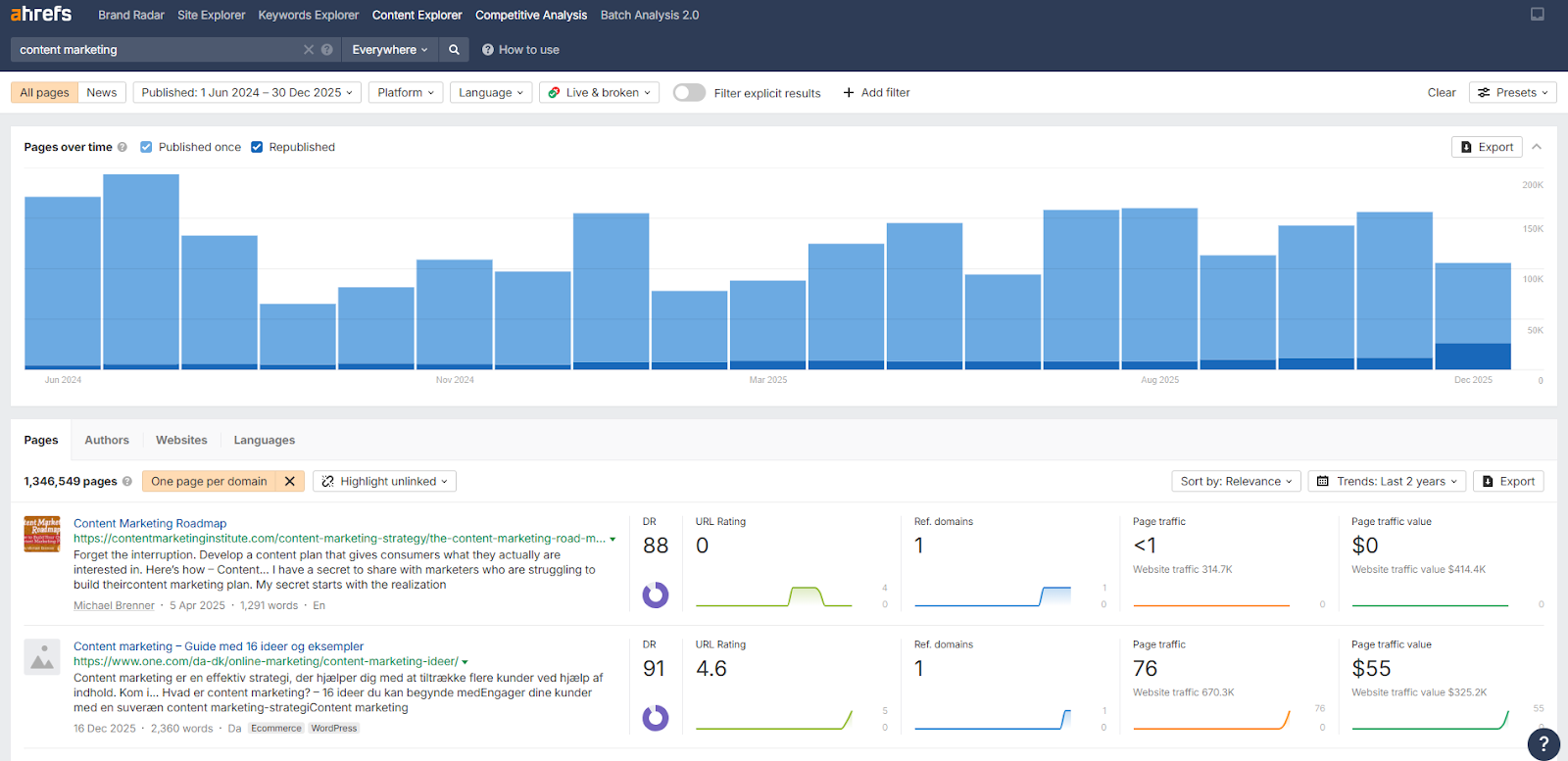
Use an SEO research tool like Ahrefs Content Explorer to search your topic. Filter results by pages with 50 or more referring domains. Review the top-performing content to identify patterns such as formats and angles that attract the most links.
Step 2: Create something significantly better
Don’t just replicate. Improve:
- Add sections that competitors missed
- Update outdated information
- Include real examples and step-by-step guidance
- Add screenshots, diagrams, and visuals
Step 3: Make it easy to reference
You can:
- Use clear section headers
- Include statistics that people can quote
- Offer embeddable visuals with embed code
- Credit your sources properly
Client Result
We helped a client revamp their “Email Marketing Guide” by making it more comprehensive and adding real-world examples and visuals. This helped them earn backlinks from 14 to 76 in 8 months.
2. Guest Posting
Guest posting helps you earn contextual links by creating valuable content for relevant sites.
Guest posting means writing high-quality content for another website in your niche. When the content is genuinely helpful to their audience, they publish it with a link to your site. As a result, you gain authority, traffic, and visibility.
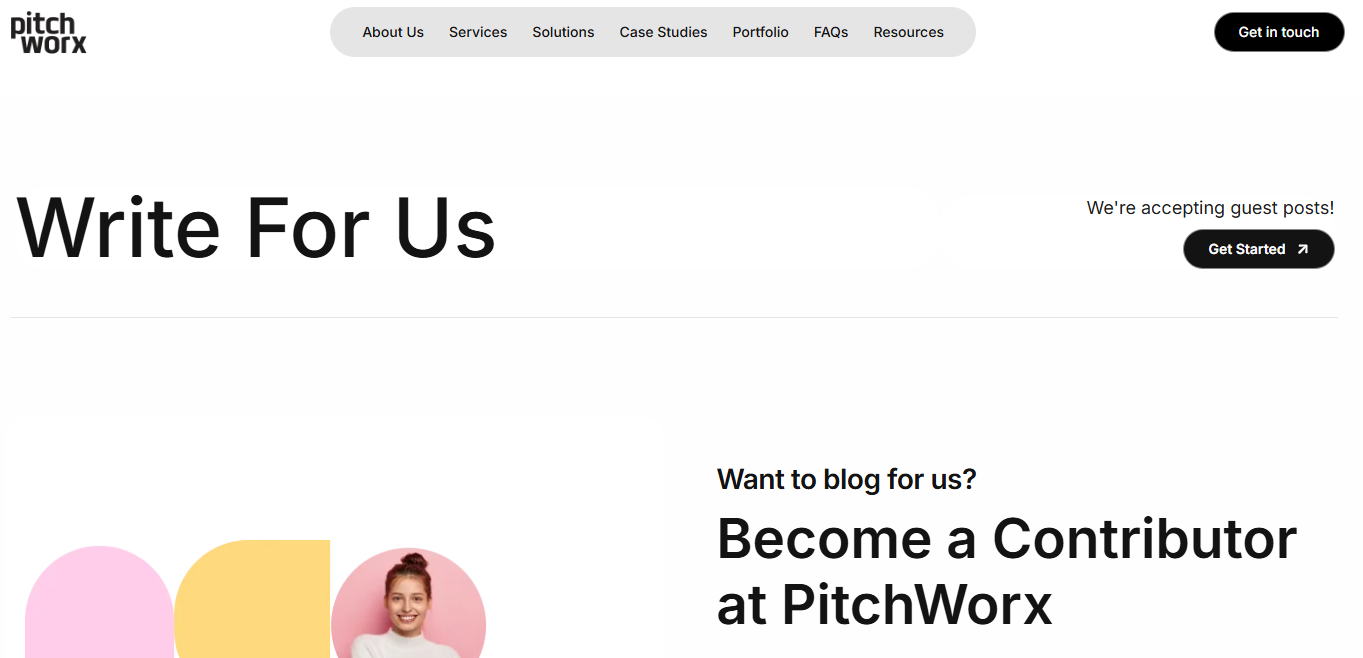
Why It Still Works:
Google has warned against thin, low-quality guest posts. But strategic guest posting on selective, high-quality sites still delivers strong results when you:
- Target editorial sites with real audiences
- Focus on genuinely helpful content
- Use natural anchor text
- Build real relationships, not transactional ones
When we tested guest posting for a SaaS client, we pitched 50 blogs and landed 8 placements. Those 8 links drove 340 referral visits and helped the target page rank #3 for their primary keyword.
How to Find Guest Post Opportunities:
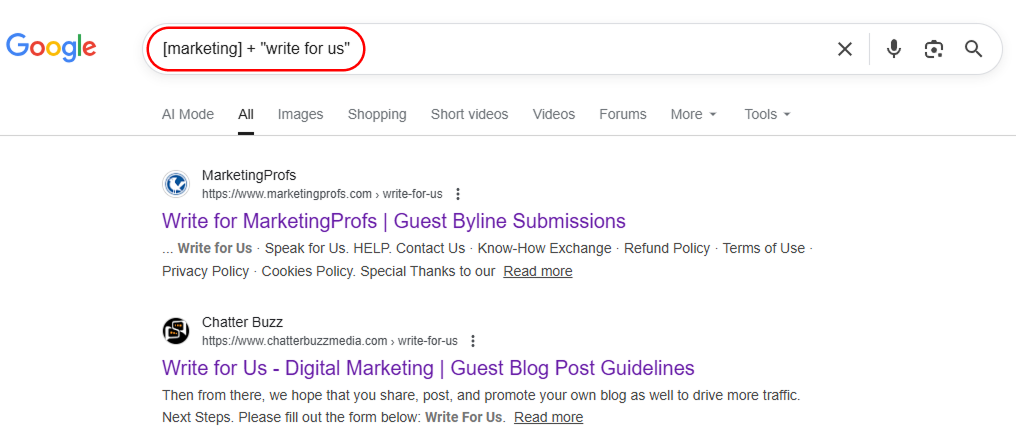
Method 1: Search operators
Use these Google searches:
- [your niche] + “write for us”
- [your niche] + “guest post guidelines”
- [your niche] + “become a contributor”
- [your niche] + “submit a guest post”
You can also browse industry directories and forums, or check resource pages to find guest posting opportunities.
Method 2: Competitor analysis in Ahrefs:
- Open Ahrefs and go to the Content Explorer tab.
- Search using any of the search operators, such as {niche} “this is a guest post by”.
- Review the results to find articles that mention or link to your competitors and publish guest posts.
- Check each site for contributor or contact details
This helps you find websites where competitors have likely published guest posts.

Outreach Email Template:
Once you find a suitable guest post opportunity, reach out to the website owner. Show how your expertise and content can help their readers, and offer to contribute a valuable article.
Subject: Guest post idea for [Website Name]
Hi [Name],
I’ve been following [Website Name] for a while. Your recent piece on [specific article] was a great read.
I’d love to contribute a high-quality guest post that aligns with your content and adds value to your readers.
Let me know if you’re open to this, and I’d be happy to share a few topic ideas.
Best,
[Your Website]
💡Pro Tips That Increased Our Success Rate:
Before pitching:
- Comment on their recent posts for 2 weeks
- Share their content with your audience
- Mention them in your own content
When you build relationships first and pitch later, your response rates are likely to increase. This approach helped us to grow the response rate from 8% to 23%.
In your pitch:
- Mention specific articles they published
- Explain how your post helps their audience
- Offer multiple topic options they can choose from
- Show that you understand their content style
After acceptance:
- Deliver better than promised (if you said 1,500 words, write 2,000)
- Include 3-5 relevant internal links to their content
- Add 2-3 high-quality images
- Promote the post when it goes live
How Our Client Grew
Our single guest post on a marketing blog not only attracted 1,200 visits in the first month but also earned 14 new backlinks from readers who found it valuable.
Common Mistake: Using exact-match anchor text like “top link building services” in your author bio. Use branded anchors, such as your company name, or natural phrases like “learn more about our approach.”
3. Broken Link Building
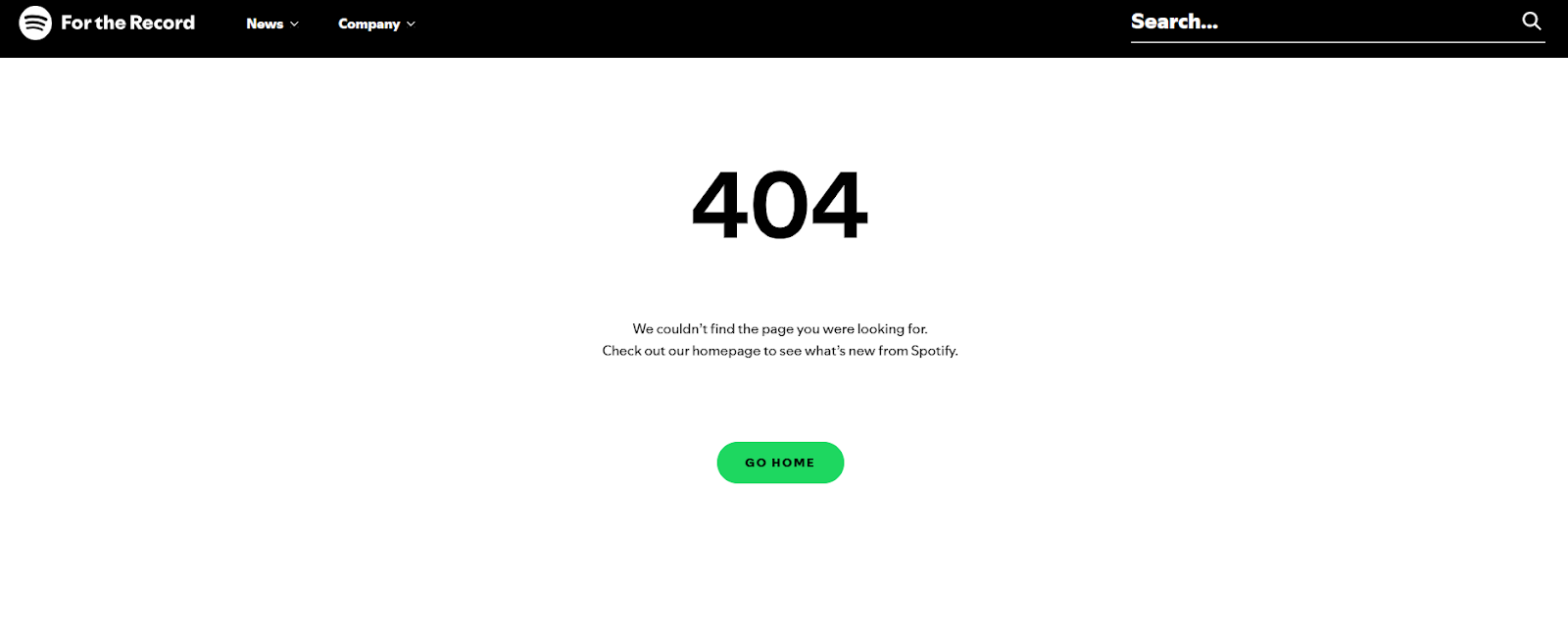
Broken link building is a tactic for identifying broken links on someone’s website and suggesting your own working content as a replacement.
It works well because you’re solving a real problem, not just asking for a favor. Website owners benefit by fixing broken or outdated links on their pages, and you earn a high-quality backlink in return.
Why This Works Better Than Cold Outreach:
When you reach out about a broken link, you’re being helpful, not asking for a favor. Site owners appreciate the message and often add your link as a thank you.
Broken link building often earns higher response rates, typically 25-35% compared to 8-12% for standard link requests.
How to Use Broken Link Building Strategy:
Step 1: Find broken link opportunities
A broken link is one that no longer works. Start by checking relevant websites for dead or broken links.
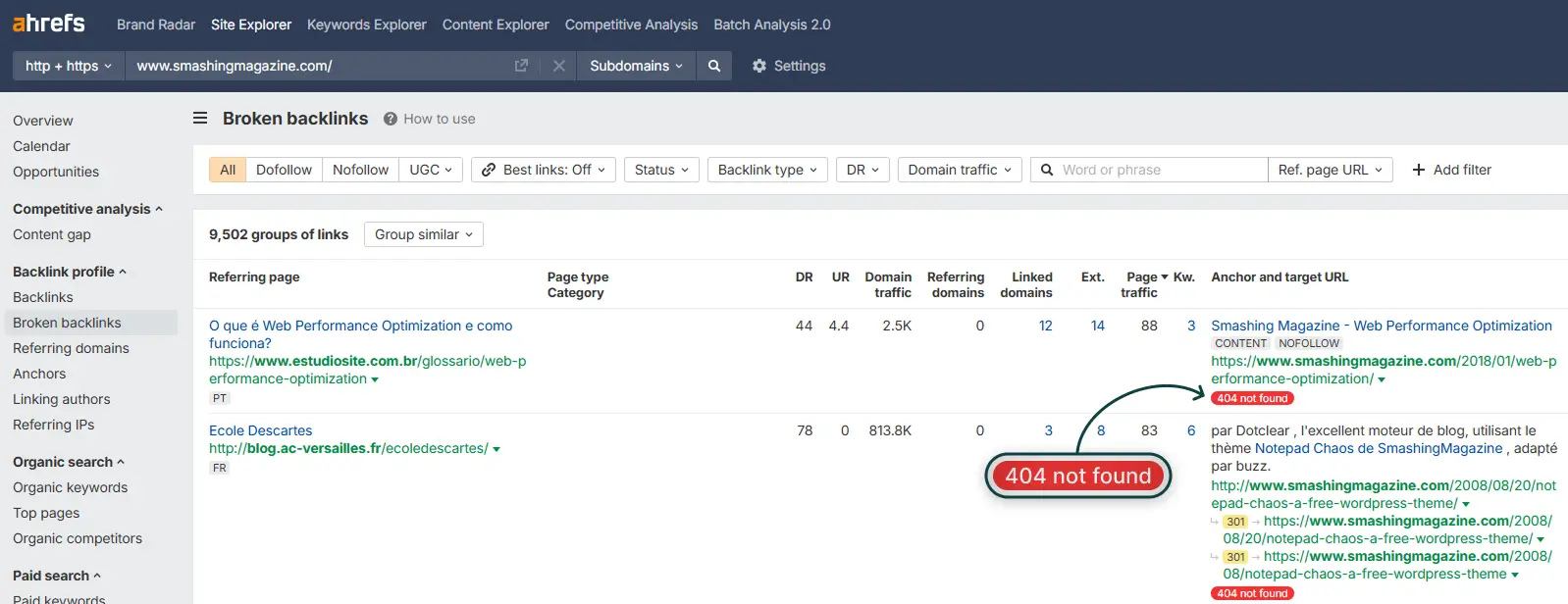
Using Ahrefs
- Go to Site Explorer
- Enter a competitor’s website
- Under the backlink profile, open broken backlinks
- Find broken (404 not found ) links on their pages.
Using Check My Links (free Chrome extension):
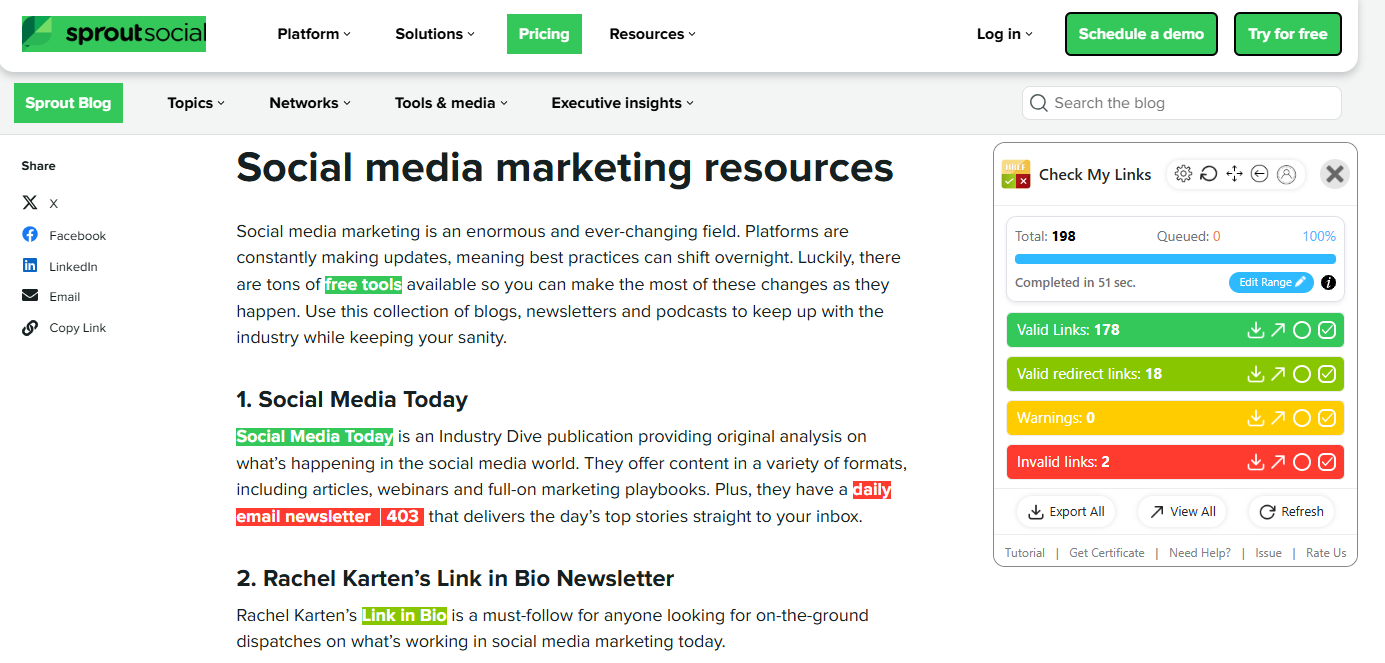
- Install the free Check My Links extension
- Visit resource pages in your niche
- Click the extension icon. It highlights broken links in red.
Step 2: Create or identify your replacement content
Once you find a broken link, check if you already have content that matches the topic. If you don’t have content that matches the broken resource, create it. Make yours:
- More current than the original
- More comprehensive
- Better designed
- More actionable
Step 3: Connect with the site owner
Next, contact the website owner or editor. Let them know about the broken link and politely suggest your content as a useful replacement.
Subject: Found a broken link on your [Topic] page
Hi [Name],
I was researching [topic] and came across your excellent resource page: [URL]
I noticed one of your links appears to be broken: [Broken URL]
It’s returning a 404 error, which might frustrate readers looking for that information.
I actually have a similar resource that covers [topic] in detail: [Your URL]
It includes [specific value – examples, data, templates, etc.] that might help your readers find what they need.
Would you consider replacing the broken link? Happy to help either way.
Best,
[Your Name]
Client Result
We found a broken link on a popular marketing blog’s resource page. The dead link pointed to a social media scheduling guide that no longer existed.
We recently published a comprehensive social media calendar template. We reached out about the broken link and suggested our template as a replacement.
They updated the page within 2 days. That single link drove 80+ referral visits per month and helped our guide rank #2 for “social media calendar template.”
4. Turn Unlinked Mentions into Backlinks
Unlinked brand mentions occur when some other websites mention your brand, product, or service on their content or page, but do not include a link to your website.
A linked brand mention signals search engines that your site is trustworthy, and without a link, that trust isn’t passed on.
This strategy works because the website has already mentioned your brand. You need to reach out, thank them, and ask if they can add a link so readers can find your site easily.
How to Turn Unlinked Mentions into Backlinks:
Step 1: Search for your brand name across the web using Google or a monitoring tool to find mentions without links.
Method 1: Google Search
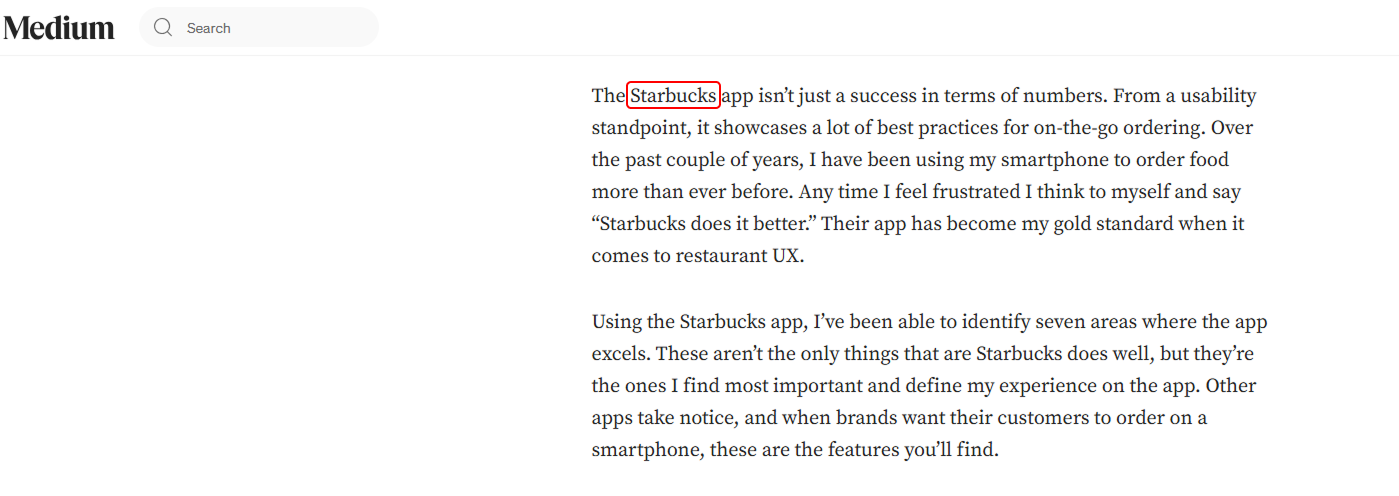
Edit the line below by adding your brand and domain name, and paste it directly into Google.
“your brand name” -site:yourdomain.com -site:twitter.com -site:facebook.com -site:linkedin.com -site:instagram.com
For example, site:medium.com “Starbucks”

This finds pages mentioning your brand but excludes:
- Your own site
- Social media profiles (nofollow links)
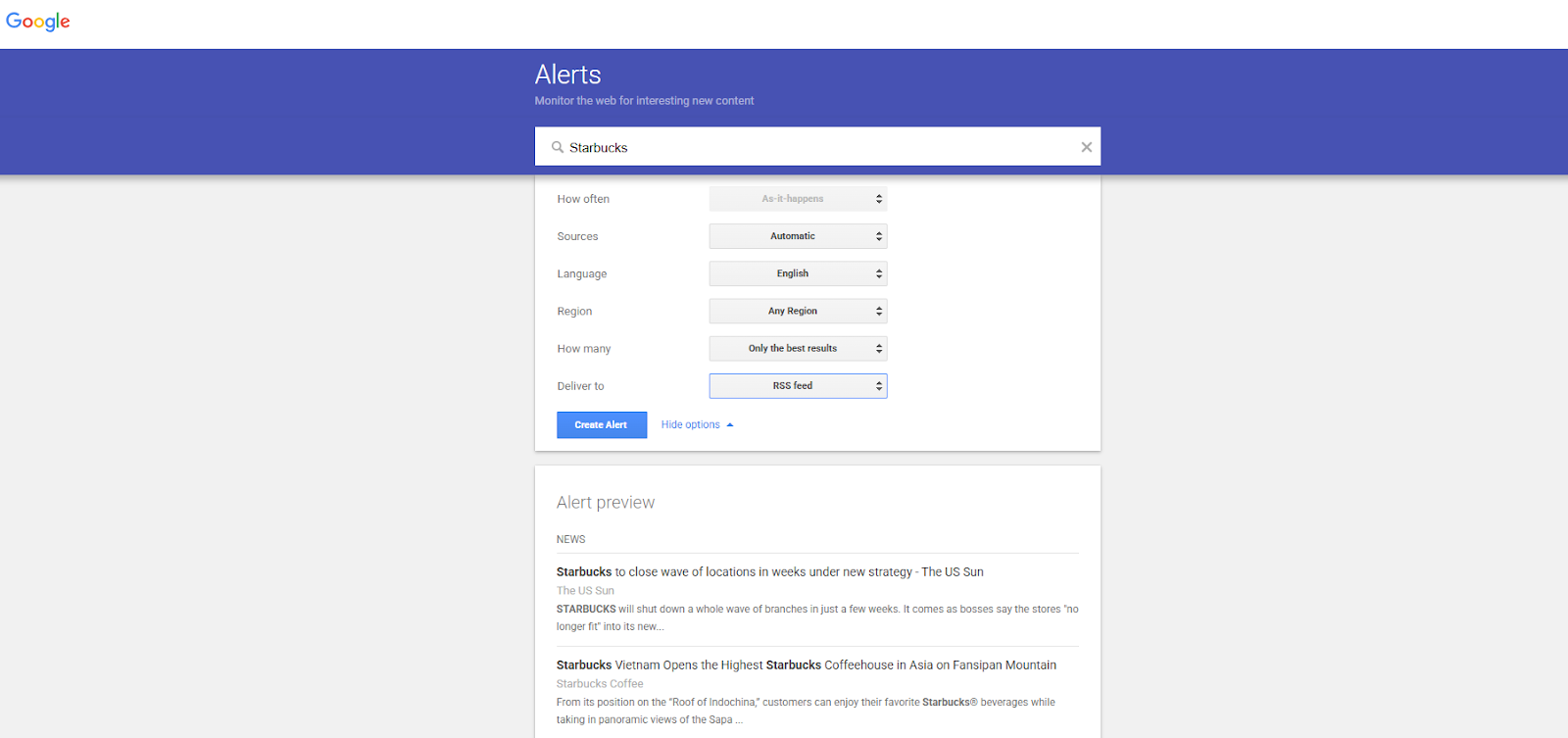
Method 2: Google Alerts (Free)
You can also use brand monitoring tools, such as Google Alerts, to track unlinked mentions of your brand or content.
Set up alerts for:
- Your brand name
- Common misspellings
- Your product names
- Your founder or CEO’s name
Get daily email notifications whenever you are mentioned.
Step 2: Next, reach out politely to the site owner, thank them for the mention, explain how adding a link would help their readers, and request that they add a clickable link to your mention.
Subject: Thanks for mentioning [Your Brand]!
Hi [Name],
I just came across your article on [topic] and saw you mentioned [Your Brand/Product]. Thanks for the shoutout!
I noticed the mention isn’t linked. Would you mind adding a quick link to [Your URL] so readers can easily find us?
Appreciate it!
Best,
[Your Name]
Keep it short, friendly, and low-pressure.
💡Pro Tips:
Respond within 24-48 hours of publication: The faster you reach out, the easier it is for them to add the link while the content is still fresh.
Be specific about where to add the link: Instead of “please link to us,” say “would you mind linking ‘[Your Brand Name]’ in paragraph 3 to [URL]?”
Thank them genuinely. A simple thank-you for the mention (before asking for anything) sets a positive tone.
Client Result
A tech blog mentioned one of our services in a roundup article, but didn’t include a link.
So we sent them a friendly email within 12 hours of publication. The author added the link the same day and replied: “Good catch! Added the link.”
That link brought 120 referral visits in the first week.
Common Mistake: Being pushy or entitled. Remember, they don’t owe you a link. Frame it as a helpful suggestion, not a demand.
5. Competitor Backlink Analysis
Competitor backlink analysis involves finding where your competitors get their links and targeting those sources with better content.
This isn’t about copying, it’s about discovering opportunities you missed.
Why This Strategy Works:
This strategy helps you find link opportunities you may have missed by studying where your competitors earn links, understanding which content types work well, and identifying link gaps you can fill.
If a site is linked to your competitor, they’re clearly interested in your niche. With better or different content, they might link to you, too.
How to Perform Competitor Backlink Analysis:
Step 1: Identify your real competitors
Don’t guess. Search your target keyword in Google and look at who ranks in positions 1-10.
These are your SEO competitors (not necessarily business competitors).
Step 2: Analyze their backlink profiles
Use Ahrefs Site Explorer:
- Enter competitor domain
- Go to the “Backlinks” tab
- Filter out sites by Domain Rating of 30+
- And sort by “Referring domains.”
Now look for these patterns:
- What types of sites link to them? (Blogs, news, directories, educational)
- What content earns the most links?
- Are links from guest posts, mentions, or resources?
Step 3: Use Link Intersect to find gaps
In Ahrefs:
- Go to the Link Intersect tool
- Enter 2-3 competitor domains
- Enter your domain
- Click “Show link opportunities.”
This reveals sites linking to multiple competitors but NOT to you.
These are your best targets because they’ve already shown interest in your topic.
Step 4: Prioritize your targets
Focus on:
- High DR sites (50+) in your niche
- Sites that link to multiple competitors (shows they actively link out)
- Sites with recent content (active blogs)
- Pages that are good contextual fits
Step 5: Plan and execute your outreach strategy
Use the insights to identify valuable domains and decide which links to pursue. Plan targeted SEO outreach accordingly.
Subject: Additional resource for your [Topic] article
Hi [Name],
I noticed you linked to [Competitor’s content] in your article on [topic].
We just published an updated guide on the same topic that includes [unique value – new data, more examples, templates, etc.]: [Your URL]
It’s significantly more comprehensive than the [Competitor] piece and includes [specific benefit for their readers].
Would you consider updating your link or adding ours as an additional resource?
Thanks!
[Your Name]
How the Client Grew
By analyzing the top 5 competitors for a marketing automation client, it became clear 40% of their backlinks came from just 3 types of pages:
- Guest posts
- Statistics roundups (“X Marketing Statistics”)
- Tool directories
Efforts focused on those three categories earned 89 new links in 90 days.
Common Mistake: Targeting every single competitor’s backlink. Many will be impossible to replicate (personal relationships, unique features, brand mentions). Focus on the 20% of opportunities that will yield 80% of results.
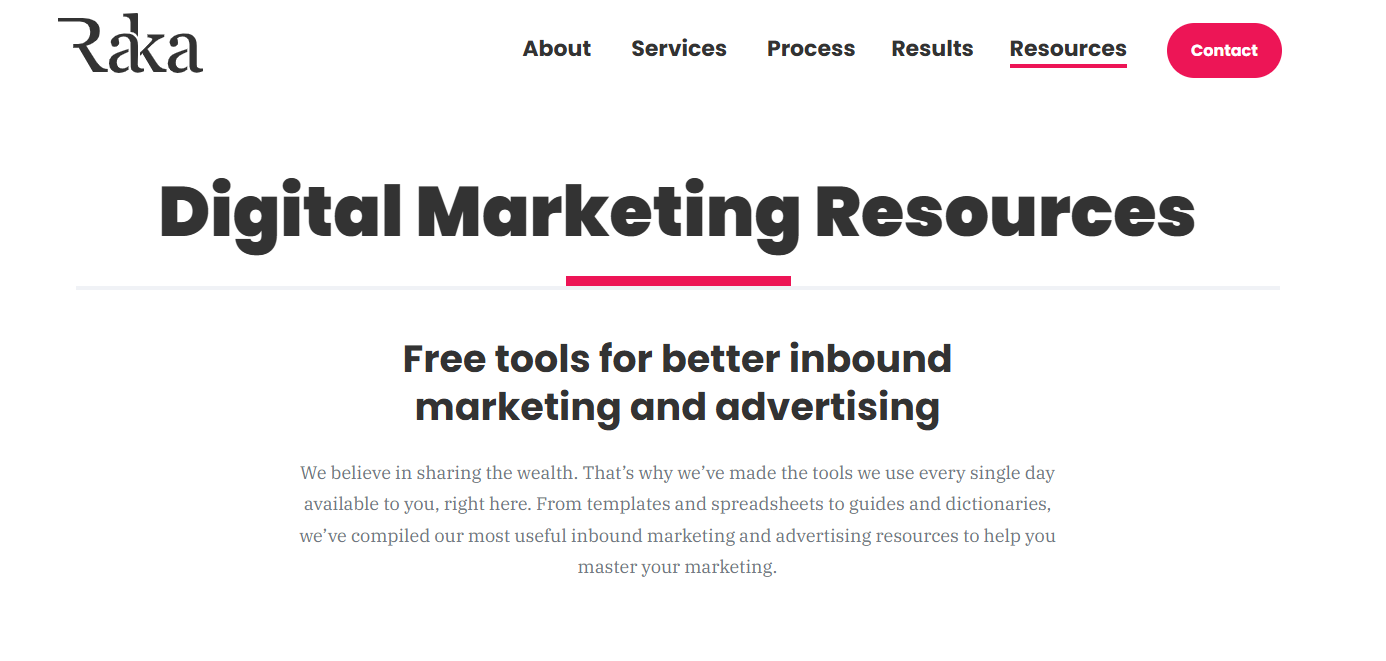
6. Resource Page Link Building
Resource pages list useful tools, guides, and references for their audience around a specific topic. The goal is to get your content included in these curated lists.
You can consider these pages a good opportunity for your site’s link building, as they are specifically designed to recommend high-quality resources.
When your content genuinely helps readers, website owners may choose to add your link to their resource page.
Why Resource Pages Are Valuable:
These pages are valuable because of their:
High topical relevance:
Resource pages are organized around specific subjects, so links from them carry strong relevance signals.
Long-term value:
Once added, your link typically stays active for years.
Relevant traffic:
Attracts visitors actively searching for topic-specific resources.
How to Perform Resource Page Link Building:
1. Find niche-relevant resource pages
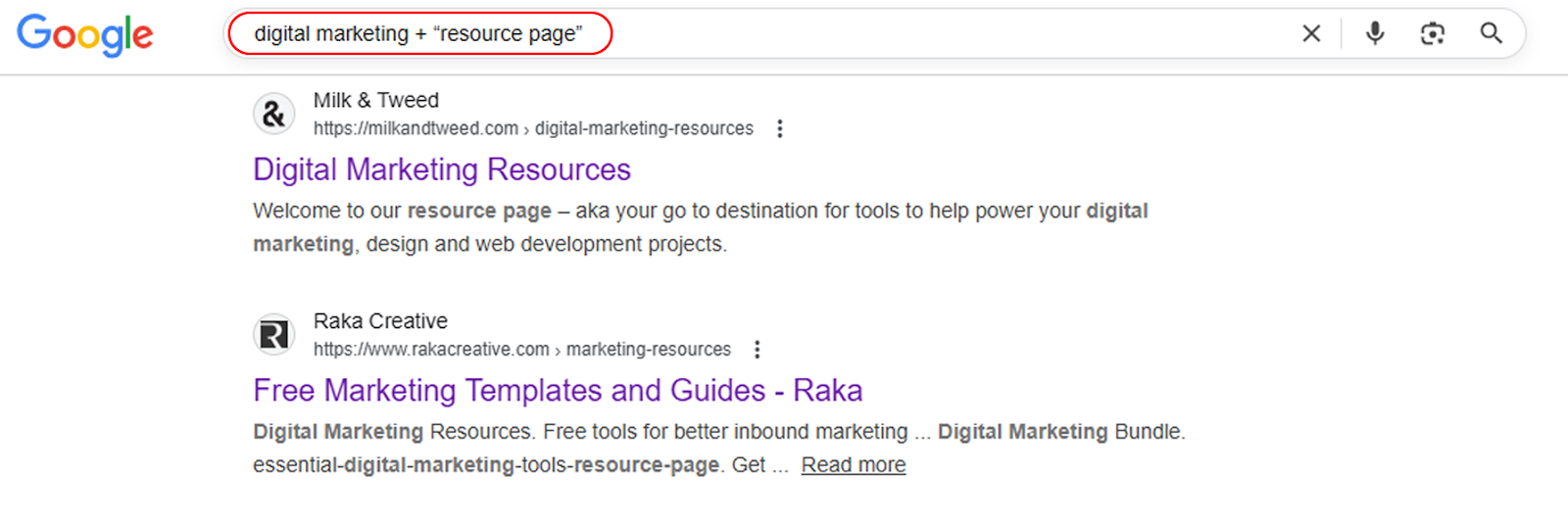
Search for resource pages related to your topic using search operators like:
- [your keyword] + “resource page”
- [your keyword] + “useful resources”
- [your keyword] + intitle: “resources.”
- inurl: resources + [your keyword]
- [your keyword] + “further reading”
What to look for in a good target:
- Updated recently
- Links to 10 to 50 resources (not thousands)
- Features content similar to yours
- Has a clear contact or submission option
Avoid pages that:
- Haven’t been updated in 3+ years
- Looks like link spam
- Only link to major brands
2. Check if your content fits
Review the page to see if it lists quality resources. Make sure your content truly adds value and matches the topic.
3. Reach out to the site owner
Message the website owner, share your resource, and very politely explain why it would be helpful to their readers.
Some websites have a “Submit a Resource” or “Suggest a Link” form. If your content fits, using these forms makes your outreach much easier.
Subject: Resource suggestion for your [Topic] page
Hi [Name],
I found your [topic] resource page while researching [specific area of your topic]. It’s one of the most comprehensive lists I’ve seen, especially liked the section on [specific thing].
I recently published a [type of content] on [specific topic]: [Your URL]
It covers [specific value proposition] with [unique angle – original research, templates, case studies, etc.].
Would you consider adding it to your list? I think it would complement your existing resources well, especially for readers interested in [specific benefit].
Either way, thanks for curating such a valuable page!
Best,
[Your Name]
Client Result
We found a university marketing resource page with 47 curated links. It hadn’t been updated in 18 months.
After reaching out and suggesting a comprehensive guide to email marketing analytics, the page curator added the link within 3 days.
That single link drove:
- 200+ visits per month (highly engaged traffic)
- 12 additional backlinks from people who discovered us there
- Number 4 ranking for our target keyword
Pro Tip: When you get added to a resource page, share it on social media and tag the curator. They appreciate the exposure and will remember you for future opportunities.
7. HARO Link Building
HARO (Help a Reporter Out, now called Connectively) helps journalists find expert sources for their stories.
By responding to relevant queries with useful insights, quotes, or opinions, you can earn credited mentions and links from reputable media publications.

Why HARO Works:
High-authority links: You can earn links from high-authority sites like Forbes and other major publications.
Quick to execute: Responses take 10-15 minutes to write.
Builds credibility. Being quoted in major outlets strengthens your brand authority.
How to Use HARO Effectively:
Step 1: Sign up on the HARO Platform
Choose “Source” (not “Journalist”)
Select categories matching your expertise and niche.
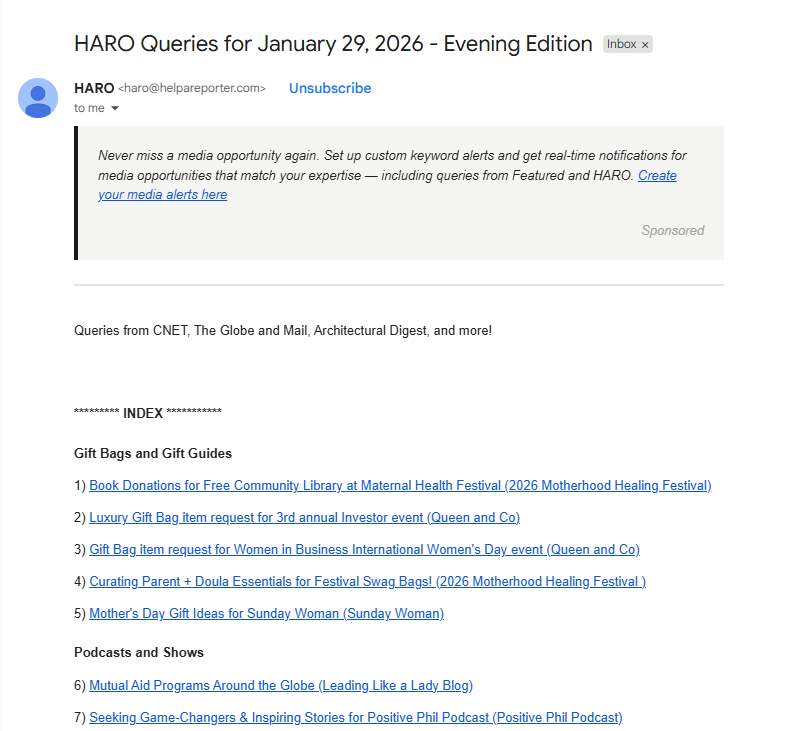
You’ll receive 3 emails per day with journalist queries.
Step 2: Respond fast (within 2-4 hours)
Journalists get hundreds of responses. Replying early increases your chances of being seen and selected, as journalists often review the first few responses before moving on.
Set up email notifications and check them 2-3 times per day.
Step 3: Write quotable, complete responses
Make sure your response is accurate, original, and valuable for the journalist to read and use.
Subject: Re: [Query Topic]
Hi [Journalist Name],
I can help with your query on [topic].
[2-3 paragraphs of valuable, quotable content that directly answers their question]
[Include 1-2 relevant statistics or specific examples if applicable]
Feel free to quote me as:
[Your Name], [Your Title] at [Company Name]
Website: [Your URL]
Happy to provide more details if needed.
Best,
[Your Name]
Step 4: Get featured
If a journalist selects your response, they may include your quote in their article, mention your brand, and add a link to your site.
HARO Response Tips That Work:
Make it quotable. Use clear, punchy sentences that are publication-ready.
Include credentials clearly. Make it easy for them to attribute your quote.
Answer the full question. If they ask for 3 tips, give 3 tips. If they want examples, provide examples.
Keep it 2-3 paragraphs unless they ask for more. Journalists want usable content, not essays.
Don’t pitch your business. Focus on being helpful.
8. Niche Edits
Niche edit link building strategy helps you build high-quality backlinks by placing relevant links within existing content on trusted websites.
The content is already live and indexed. You suggest adding your resource where it naturally fits and adds value. This process is also called link insertion.
Why Niche Edits Work:
Faster than guest posting. No need to write a full article, just suggest a helpful addition.
Inherit existing authority. The page already has links and rankings. Your link benefits immediately.
Higher success rate with good fits. When your content genuinely improves their article, editors are often happy to add it.
How to Perform Niche Edits Effectively:
Step 1: Find relevant existing content
Look for published articles in your niche where your link would make sense and be useful. Focus on pages that cover related topics and could benefit from an additional helpful reference.
You can use search operators to find content related to your niche:
- [your topic] + “statistics”
- [your topic] + “examples”
- [your topic] + “case studies”
- [your topic] + “tools”
Using Ahrefs Content Explorer:
- Search for a relevant topic or keyword
- Filter by “Referring domains: 20+”
- Look for articles published 1-3 years ago (old enough to be updated, recent enough to be maintained)
Step 2: Identify the perfect insertion point
Read the article carefully. Find a specific section where your link would:
- Fill a knowledge gap
- Provide a cited source for a claim
- Offer an example or case study
- Give readers a helpful tool or template
If you can’t find a natural fit, move on. Forcing it won’t work.
Step 3: Reach out with a specific value
Once you find a suitable page, contact the site owner or editor and explain how your link adds value to their content and helps their readers.
Subject: Quick suggestion for your [Topic] article
Hi [Name],
I was reading your article on [topic] and found it incredibly helpful
I noticed you mentioned [concept] but didn’t link to a resource that shows [specific example/data/tool].
I recently published a detailed guide that covers exactly this: [Your URL]
Would you consider adding it as a reference?
Best,
[Your Name]
We found an article about “email marketing best practices” that mentioned A/B testing but didn’t link to any testing framework or examples.
We had published a comprehensive A/B testing guide with 12 test examples and a free template.
Result: Link added within 2 days. That page had DR 61 and drove 45 referral visits per month.
Common Mistake: Suggesting your link for irrelevant sections. The fit must be natural and genuinely helpful.
9. Digital PR Campaigns
Digital PR (Digital Public Relations) is a link building strategy in which you create newsworthy content, such as press stories, original research, and expert opinions, that journalists or media outlets are interested in.

Why Digital PR Generates Premium Links:
When journalists quote you or use your data, they naturally link to your site as the source, helping your brand get featured on high-authority websites.
A single strong PR campaign can drive more traffic and help you earn 50–200+ backlinks from major publications.
Types of Digital PR Campaigns:
- HARO
- Press release
- News jacking and reactive pr
- Creative campaigns
- Media mentions
- Product pr
- Data-driven pr(Original Research)
How to Perform Digital PR Link Building:
1. Create newsworthy content
- Newsworthy (timely, surprising, or significant)
- Data-driven (journalists love statistics)
- Visual (include charts or graphics)
- Quotable (write clear, punchy insights)
2. Build your media list
Use tools like:
- Prowly (media database)
- Muck Rack (journalist contact finder)
- Twitter (search for journalists covering your topic)
- HARO (identify relevant reporters)
Create a targeted list of 50-100 journalists who cover your industry.
3. Craft your pitch
Subject: New data: [Surprising Finding]
Hi [Journalist Name],
We just released research that might interest your readers at [Publication].
We analyzed [number] [what you analyzed] and found [surprising result].
Key findings:
- [Stat 1]
- [Stat 2]
Happy to provide additional insights or arrange an interview.
Best,
[Your Name]
If journalists find your data accurate, relevant, and valuable, they publish the story on their websites, helping you earn high-quality editorial backlinks and trusted media coverage.
We helped a B2B SaaS client survey 1,500 remote workers about productivity tools.
Key finding: “Remote workers used an average of 7.3 apps daily, leading to about 2.4 hours of lost productivity from constant app switching”.
We pitched this to 85 journalists.
Results:
- Featured in Forbes, Inc., Fast Company
- 127 total backlinks
- 3,400+ social shares
- Positioned the client as a trustworthy industry leader
Pro Tips:
Make it timely. Tie your research to current events or seasonal trends.
Create multiple angles. Pitch different insights to different publications.
Include visuals. Charts and infographics get 30% more pickup.
Offer exclusives. Grant early access to one major publication for better coverage.
10. Partnerships & Relationship-Based Link Building
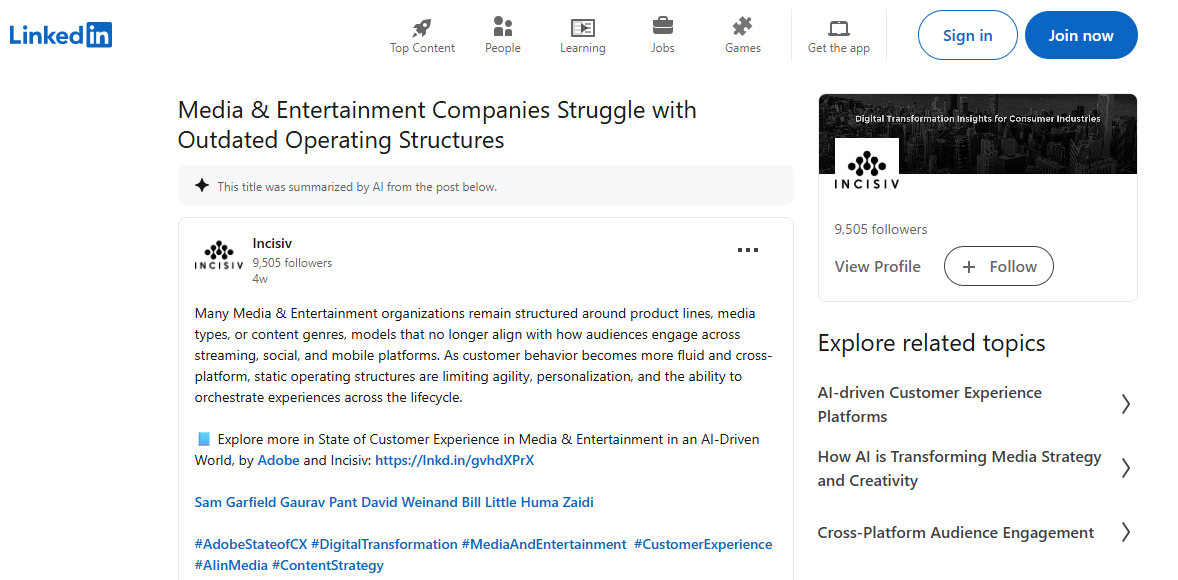
Partnerships and relationship-based link building focus on building long-term connections with relevant websites, brands, and creators to earn links naturally.
You engage with their content and share helpful insights rather than directly asking for a link.
When you consistently offer value, people start to trust you and are more likely to link to your content. Over time, links come naturally through collaboration and trust.
This approach takes time, but it builds sustainable links that support long-term growth.
Why Partnership Links Are Valuable:
- These links are natural and safe, as they come from genuine business relationships.
- Partnerships often generate multiple links over time, which helps build long-term value.
- Both parties benefit mutually, making it easy to secure links.
How to Build Partnership Links:
Step 1: Identify potential partners
Look for:
- Complementary businesses (not competitors)
- Companies targeting the same audience
- Vendors and suppliers you already use
- Industry organizations and associations
Step 2: Provide value first
Before asking for anything:
- Share their content
- Leave thoughtful comments
- Recommend their services
- Connect them with potential clients
Step 3: Propose collaboration
Subject: Partnership idea for [mutual benefit]
Hi [Name],
I love what you’re doing at [Company], especially [specific thing].
I think our audiences overlap in interesting ways. We serve [your audience] and I noticed you work with [their audience].
Would you be open to exploring a partnership? A few ideas:
1. Co-host a webinar on [relevant topic]
- Create an integration between our platforms
- Feature each other in case studies
Happy to brainstorm what would work best for you.
Best,
[Your Name]
We partnered with a complementary SaaS tool to create a free integration.
- They wrote a blog post announcing it (linked to us)
- We wrote a matching post (linked to them)
- We both promoted it to our audiences
- 40+ sites covered the integration and linked to both of us
- Ongoing referral traffic from the integration page
Pro tip: Focus on 5–10 strategic relationships instead of many low-impact ones. Strong partnerships lead to better links and more value.
11. Reclaim Lost Backlinks
Link reclamation is the process in which you reclaim lost backlinks. It means getting back the backlinks you once had.
If you previously had a link that was removed or broken, you take steps to restore it.
Since your lost or broken links existed before, recovering them is often easier than building new ones, and this also helps recover lost link equity.
Links can be lost for many reasons, such as:
Links can be lost for many reasons, such as:
- Page URL changed
- Site redesign removed the link
- Content was updated or deleted
- The link was accidentally removed
- Page is no longer indexed
Why link recovery matters
Recovers lost authority:
Restores value from links that were removed or broken.
Maintains search visibility:
Helps protect rankings by keeping important links active.
Saves time:
Reclaiming existing links is faster than building new ones.
How to Find and Reclaim Lost Links:
Step 1: Identify lost backlinks
Use an SEO tool like Ahrefs to see which backlinks you had before but no longer have.
- Go to Site Explorer
- Enter your domain
- Click “Backlinks” → “Lost.”
- Filter by DR 30+ and dofollow links
Using Google Search Console:
- Go to the “Links” section
- Export all linking domains
- Compare to the current backlinks in Ahrefs
- Identify domains that stopped linking
Step 2: Filter lost link
Filter the linking pages and focus on reclaiming the most valuable ones first.
Review the linking pages and remove those with low-quality metrics. Some may be spammy, while others may not be relevant to your site.
Step 3: Diagnose why the link was lost
Visit the page that used to link to you:
- Is the page still live?
- Was your link removed from the content?
- Did your URL change, causing a broken link?
- Is there a redirect issue on your end?
Step 4: Fix technical issues first
If the problem is on your side:
- Fix broken redirects
- Restore deleted pages
- Update URLs
Then reach out to confirm the link works again.
Step 5: Reach out to restore the link
Subject: Quick question about your [Topic] article
Hi [Name],
I noticed your article on [topic] used to link to our resource on [specific topic], but the link seems to have been removed during a recent update.
Our guide is still live and regularly updated: [Your URL]
It still includes [specific value] that I think your readers would find helpful.
Would you consider adding it back?
Thanks!
Best,
[Your Name]
Step 6: Track reclaimed links
Keep track of which links are restored and which still need follow-up.
We discovered a marketing blog had removed our link during a site redesign. The article was still live, just restructured.
We reached out, explaining what happened and suggesting our updated URL.
The response: “Thanks for catching that! We migrated to a new CMS, and some links got lost. Just added it back.”
Recovery rate in our testing: 41% (vs. 10-15% for cold outreach)
12. Collaborate with Influencers on Social Media
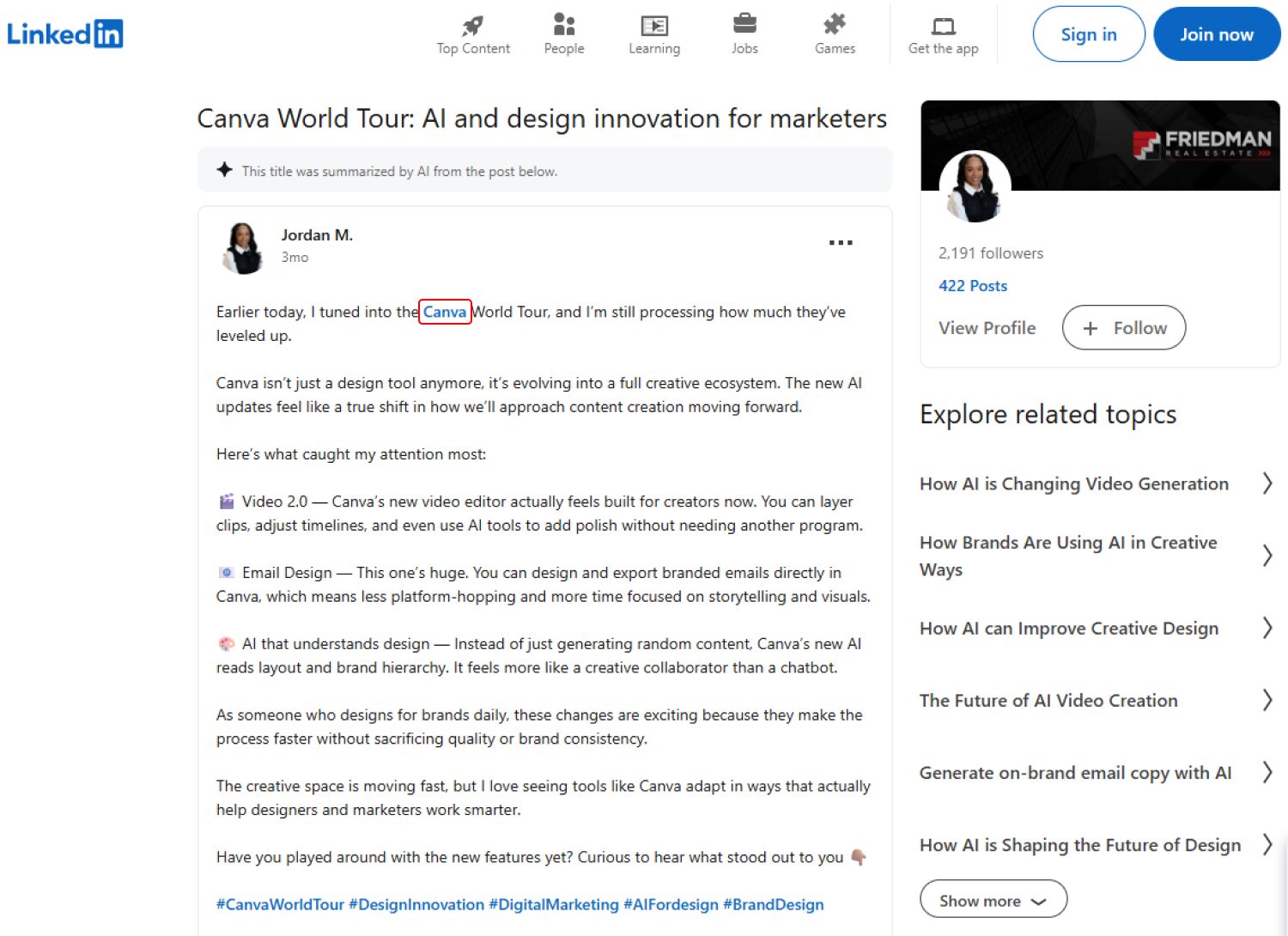
Collaborate with influencers on social media who create content related to your niche or industry. Since they already have a loyal and engaged audience, working with them helps your content reach the right people faster.
When you share something valuable that influencers genuinely want to promote, they naturally introduce your brand to their followers through mentions, shares, or collaborations.
This approach helps you build real relationships within your industry and leads to organic mentions, citations, and content partnerships over time.
How to Collaborate With Influencers:
1. Identify and research the right influencer
Start by identifying a relevant and well-known influencer.
Focus on those with strong authority, who are closely aligned with your niche, and who show strong audience engagement.
2. Build genuine relationships
Build relationships with them before you pitch by engaging with their content.
- Comment on their posts regularly
- Share their content with your audience
- Mention them naturally in your articles
- Join and contribute to conversations in their community
3. Pitch and Collaborate
Focus on delivering clear value to your audience through authentic content.
This increases the chances of earning backlinks naturally while driving traffic and authority to your brand.
You can collaborate through joint webinars or podcasts, guest posts, expert roundups, product reviews, giveaways, or partnerships that naturally mention and link to your site.
We collaborated with niche influencers to co-create content and get our client featured across social platforms.
Results:
- Backlinks from creator websites and blogs
- Referral traffic and brand visibility
- New guest posting opportunities
- Organic mentions
Link Building Best Practices
Following the right practices helps you build links that support long-term SEO.
Let’s look at the best ways to build links the right way:
Focus on Quality over Quantity
Three links from relevant, trusted sites outperform 100 links from random blogs. A single high-quality link (DR 70+, highly relevant) can drive more ranking improvements than 50 low-quality directory links.
Always prioritize:
- Relevance to your niche
- Domain authority (DR 30+)
- Editorial standards
- Real traffic
Build Links Consistently
Consistently building links boosts your SEO without raising red flags. Sudden spikes look “unnatural” to search engines, but steady, ongoing efforts deliver stronger long-term results.
Our recommendation:
- 5-10 quality links per month (small sites)
- 15-25 quality links per month (established sites)
- 30-50+ quality links per month (enterprise)
This looks natural to search engines.
Prioritize Editorial Links
Links you earn naturally (not asked for) carry the most weight.
Editorial links come from:
- Journalists citing your research
- Bloggers discovering and linking to your content
- Industry sites referencing your tools or data
- Natural brand mentions
Focus 60-70% of effort on creating content that earns editorial links. Use outreach for the remaining 30-40%.
Monitor Your Backlink Profile
Check monthly for:
- Check monthly for:
- Lost high-value backlinks
- Competitor link gains
- Toxic links to disavow
Diversify Your Link Sources
The most effective link building strategy depends on your niche, resources, and goals. Most successful link builders use 3-5 strategies consistently rather than relying on one. You can use a mixture of the following:
- Guest posts
- Resource pages
- HARO/PR
- Partnerships
- Content marketing
- Tools
This creates a natural-looking link profile and protects you if one strategy stops working.
Link Building Mistakes to Avoid
Not every link helps your website. Some links can harm your SEO if they are built incorrectly.
Buying Links
Paid links violate Google’s link spam guidelines. Search engines detect patterns and will penalize your site.
What to avoid:
- Sites offering “guaranteed links” for payment
- PBN (Private Blog Network) links
- Links generated through link farming
- “Link exchanges” disguised as partnerships
- Sponsored posts without proper disclosure
These kinds of black-hat SEO strategies may help you achieve short-term gains, but they aren’t worth the long-term risk.
Over-Using Exact-Match Anchor Text
“Best SEO tools” linking to your SEO tools page 50 times looks manipulative.
Healthy anchor text distribution:
- 40-50%: Branded (your company name)
- 20-30%: URLs (direct links)
- 15-20%: Generic (“click here,” “learn more”)
- 10-15%: Partial match (related phrases)
- 5-10%: Exact match (target keywords)
Vary your anchor text naturally.
Ignoring Relevance
A link from a high-authority site in an unrelated niche carries less value than a link from a smaller, relevant site.
A DR 70 cooking blog linking to your SaaS product helps less than a DR 40 SaaS review site.
Always prioritize topical relevance over pure authority metrics.
Neglecting Internal Linking
External links get attention, but internal links:
- Help search engines understand site structure
- Pass authority between your pages
- Improve user navigation
- Support conversion funnels
Build 5-10 internal links per new page you create.
Submitting to Spam Directories
Low-quality, automated directories harm your backlink profile.
Red flags:
- Accepts everyone instantly without review
- Thousands of unrelated categories
- No real traffic or user engagement
- Exists only to host links
Giving Up Too Soon
Link building takes time. Most strategies take 3-6 months to show results in rankings.
Realistic timeline:
- Months 1-2: Build foundation, start outreach
- Months 3-4: First links appear, some traffic increase
- Months 5-6: Rankings begin improving
- Months 7-12: Compound effects, significant growth
Stay consistent. Progress takes time, and growth will happen with steady effort.
How to Measure Link Building Success
Track these metrics monthly:
Core Metrics:
Total Referring Domains
- More important than total backlinks
- Track month-over-month growth
- Goal: 5-15% monthly increase
Domain Rating (DR) or Domain Authority (DA)
- Overall site authority score
- Increases slowly (months, not weeks)
- Benchmark against competitors
Organic Traffic
- Track in Google Analytics
- Segment by landing page
- Look for approximately 10-20% monthly growth
Keyword Rankings
- Monitor target keywords weekly
- Track average position changes
- Note which pages improved
Advanced Metrics:
Link Velocity
- How many new links per month
- Should be steady, not spiky
- Compare to competitors
Link Quality Score
- Average DR of new linking domains
- Aim for a DR 30+ average
- Track improvement over time
Referral Traffic
- Traffic from backlinks
- Indicates link relevance and placement
- Goal: 5-10% conversion rate
Link Placement
- Percentage in main content vs. footer/sidebar
- Editorial links > navigational links
Tools for Tracking:
Essential:
- Google Search Console (free backlink data)
- Google Analytics (traffic and conversions)
- Ahrefs or SEMrush (comprehensive tracking)
Nice to have:
- Rank tracking software (Accuranker, SEMrush)
- Link management CRM (Pitchbox, BuzzStream)
Create a Monthly Report:
Track these key performance indicators(KPIs):
- New referring domains acquired
- Total backlinks gained/lost
- Average Domain Rating of new links
- Organic traffic change
- Keyword ranking improvements
- Referral traffic from backlinks
- Outreach stats (sent, responded, converted)
Review monthly. Adjust strategy based on what’s working.
Your 90-Day Link Building Action Plan
Here’s how to implement these strategies starting today:
Month 1: Foundation + Quick Wins
Week 1:
- Set up Google Search Console and Google Analytics
- Create an Ahrefs or SEMrush account
- Audit the existing backlink profile
- Set up Google Alerts for brand mentions
Week 2:
- Find and reach out to 10 unlinked brand mentions
- Identify 20 resource pages in your niche
- Analyze the top 3 competitors’ backlinks
Week 3:
- Pitch 5 resource pages per day (25 total)
- Identify 10 guest post opportunities
- Create outreach tracking spreadsheet
Week 4:
- Sign up for HARO/Connectively
- Respond to 5-10 relevant queries
- Follow up on resource page outreach
- Review and refine approach
Month 1 Goal: 5-10 new backlinks
Month 2: Scale Outreach
Week 5:
- Pitch 3 guest post ideas to each target site
- Find 15 broken link opportunities
- Create competitor backlink spreadsheet
Week 6:
- Send 20 broken link outreach emails
- Respond to 10+ HARO queries
- Follow up on guest post pitches
Week 7:
- Write and submit 1-2 guest posts
- Find 10 niche edit opportunities
- Pitch partnership to 3 complementary businesses
Week 8:
- Send niche edit outreach
- Follow up on all pending outreach
- Recover 5 lost backlinks
- Analyze which strategies are working best
Month 2 Goal: 10-15 new backlinks
Month 3: Advanced Tactics + Optimization
Week 9:
- Plan a Digital PR campaign or original research
- Create link worthy asset (tool, calculator, or comprehensive guide)
- Continue daily HARO responses
Week 10:
- Launch PR campaign (if applicable)
- Promote new link asset
- Scale working strategies from Month 1-2
Week 11:
- Send around 30+ outreach emails using the best-performing approach
- Write 2-3 more guest posts
- Finalize any partnerships
Week 12:
- Review all metrics and results
- Calculate the ROI of each strategy
- Plan a Month 4+ strategy based on data
- Scale what works, cut what doesn’t
Month 3 Goal: 15-20 new backlinks
90-Day Target Results:
- 30-45 new referring domains
- 50-100 total new backlinks
- 5-10 point increase in Domain Rating/Domain Authority
- 15-25% organic traffic growth
- 3-5 guest post placements
- 2-3 strategic partnerships established
- Clear data on which strategies work best for your niche
Conclusion
Link building isn’t about getting as many links as possible. It’s about earning the right links from relevant, trusted websites.
The best link building strategies focus on quality, relevance, and long-term value. When you follow safe practices and avoid shortcuts, your backlinks help improve rankings, build trust, and grow organic traffic.
Ready to grow your website’s authority with the right link building strategy?
Get a clear plan to earn high-quality backlinks that improve your rankings and organic traffic.
Are all link building strategies safe?
No. Some methods violate Google’s guidelines and can harm your rankings. Avoid buying links, using PBNs (private blog networks), engaging in excessive link exchanges, and using automated link schemes. Always focus on white-hat link building strategies that earn links naturally through value.
How long does link building take to show results?
Expect 3-6 months to see meaningful ranking improvements. Quality links take time to earn, and search engines need time to process and credit them. Individual links may get indexed within days, but ranking impact typically shows after 60-90 days. Focus on consistency over quick wins.
How many backlinks do I need to rank?
It depends on keyword competition. Low-competition keywords might rank with 5-10 quality backlinks. Competitive keywords may need 50-200+. Focus on link quality (relevance and authority) over quantity. One DR 70 contextual link can outperform 100 low-quality directory links.
Should I use paid link building services?
Be cautious. Many services use black-hat tactics that risk penalties. If you hire help, ensure they use white-hat methods (outreach, guest posting, PR, never buying links). Ask for case studies, references, and transparency about their process. Good link building takes time; anyone promising fast results is likely cutting corners.
How do I know if a backlink is high quality?
Evaluate based on: Relevance (same or related niche), Authority (DR/DA 30+), Traffic (actual visitors, not just metrics), Editorial standards (selective about what they link to), Placement (in main content, not footer), Context (natural mention, not forced). A relevant DR 40 link beats an irrelevant DR 70 link.
Can I build links without a blog?
Yes, but it’s harder. Focus on: Partnerships and vendor relationships, Tool/product listings, HARO and media requests, Industry directories, Association memberships, Creating linkable assets (tools, calculators, resources). However, a blog makes link building 10x easier by giving you content to promote and link to.
What is the difference between dofollow and nofollow links?
Dofollow links pass SEO authority (“link juice”) and directly help rankings. NoFollow links include a tag telling search engines not to pass authority. However, nofollow links still have value: they drive traffic, build brand awareness, diversify your link profile, and may convert to dofollow later. Aim for 70-80% dofollow in your profile.
How do I recover from a Google penalty for bad links?
First, identify toxic links using Google Search Console and Ahrefs. Request removal from webmasters. For links you can’t remove, create a disavow file in Google Search Console. Then, focus on building quality links moving forward. Recovery can take 3-6 months after disavowing. Prevention is better, so always use white-hat tactics.
Should I care about anchor text?
Yes. Anchor text shows Google what your page is about. Use varied, natural anchor text: branded (40-50%), URLs (20-30%), generic (15-20%), partial match (10-15%), exact match (5-10%). Over-optimization (repeated use of the same keyword anchor) can look manipulative and risk penalties.