Scholarship link building has a reputation for being the easy route to earn backlinks from websites that use the .edu domain.
It includes: creating a scholarship, emailing a list of universities, and collecting high-authority links.
The process sounds easy and low-risk.
But in 2026, it can also trigger algorithmic devaluation under Google’s link spam policies or, in clear cases, a manual penalty. Most founders who try it would get more for spending the same money elsewhere.
It still works, but only for a narrow set of businesses, and the risk of a Google penalty is real.
Key Takeaways
- Many scholarship links use rel=”nofollow” tag.
- Google’s link spam policy directly covers link-for-award exchanges.
- A real scholarship costs $1,000+ before you know if it earns a single link.
- Four-step setup: define, build, find universities, run outreach.
- Scholarship link building sits in the off-page SEO bucket; success depends on outreach rather than on-site work.
What Scholarship Link Building Actually Is
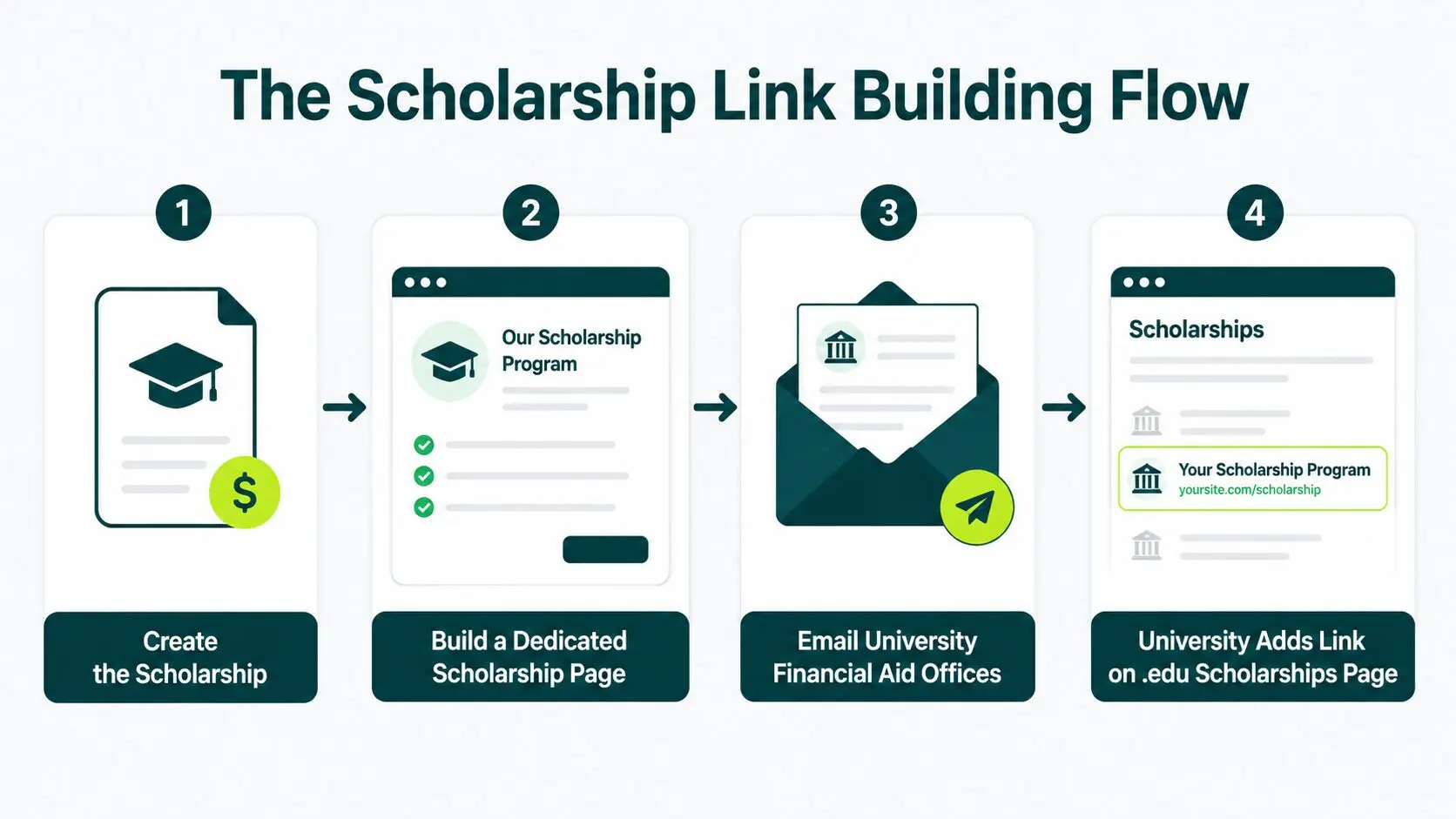
Scholarship link building works by funding a real scholarship and creating a page for it, then asking educational institutions to list it on their financial aid or resources pages, with each listing including a backlink to your site.
This off-page SEO tactic depends entirely on outreach rather than on anything you control on your own site.
This is how a scholarship link building process works:
- First, you create a scholarship page that explains the scholarship, shows the award amount, clearly states the eligibility rules, and outlines how to apply.
- Then, you email financial aid offices and scholarship coordinators, asking them to add your scholarship page to the external scholarship resources they maintain for students.
Now the outcome depends on the university.
Some universities add legitimate scholarships to their pages, giving you a backlink if your scholarship meets their requirements.
There’s no guarantee, since each university reviews and approves scholarships differently.
Why the Link From the Educational Industry Matters
When a university adds your scholarship page to their list, your link appears on an .edu page. That’s the main attraction.
A backlink is like one website vouching for another. A link from a well-maintained university page can carry real authority if the page itself has earned it.
Why this tactic became popular:
- This link building strategy is popular mainly because of the .edu extension.
- Only accredited American colleges and universities can have a .edu domain, which makes these sites feel exclusive and trustworthy.
- This sense of exclusivity is what first attracted marketers to scholarship campaigns.
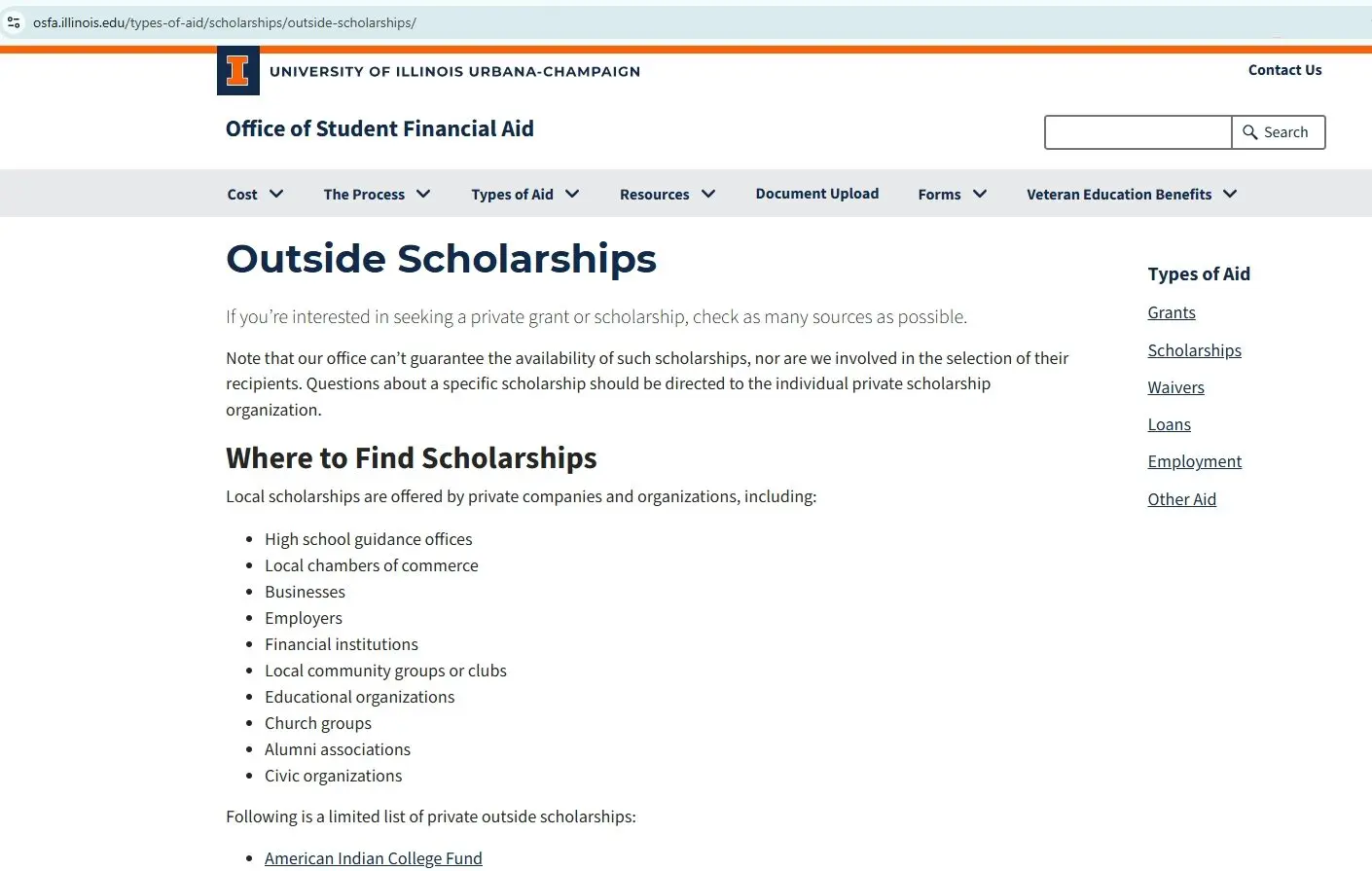
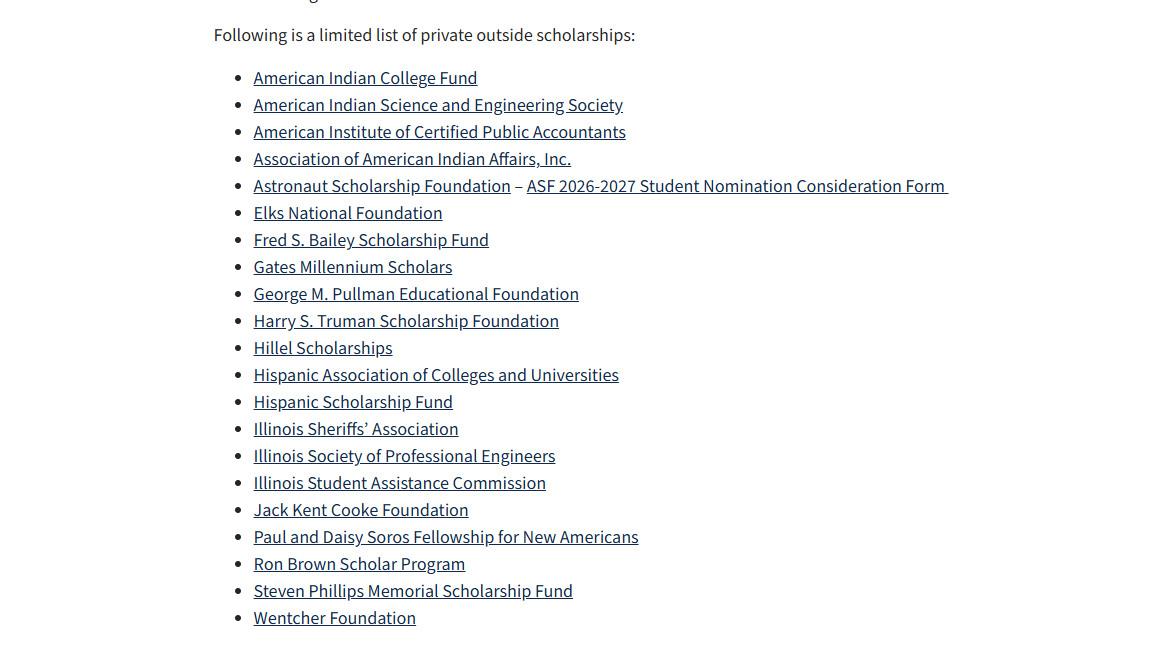
Below is one such example of a University of Illinois Urbana-Champaign’s outside scholarship page that links to various scholarship opportunities.
Our guide on edu backlinks explains whether .edu links are worth pursuing. This article focuses on the scholarship approach, since it comes with risks that other .edu tactics do not.
Does Scholarship Link Building Still Work?
Scholarship link building still works for some businesses. It’s far less reliable than it used to be, and it now carries real risk.
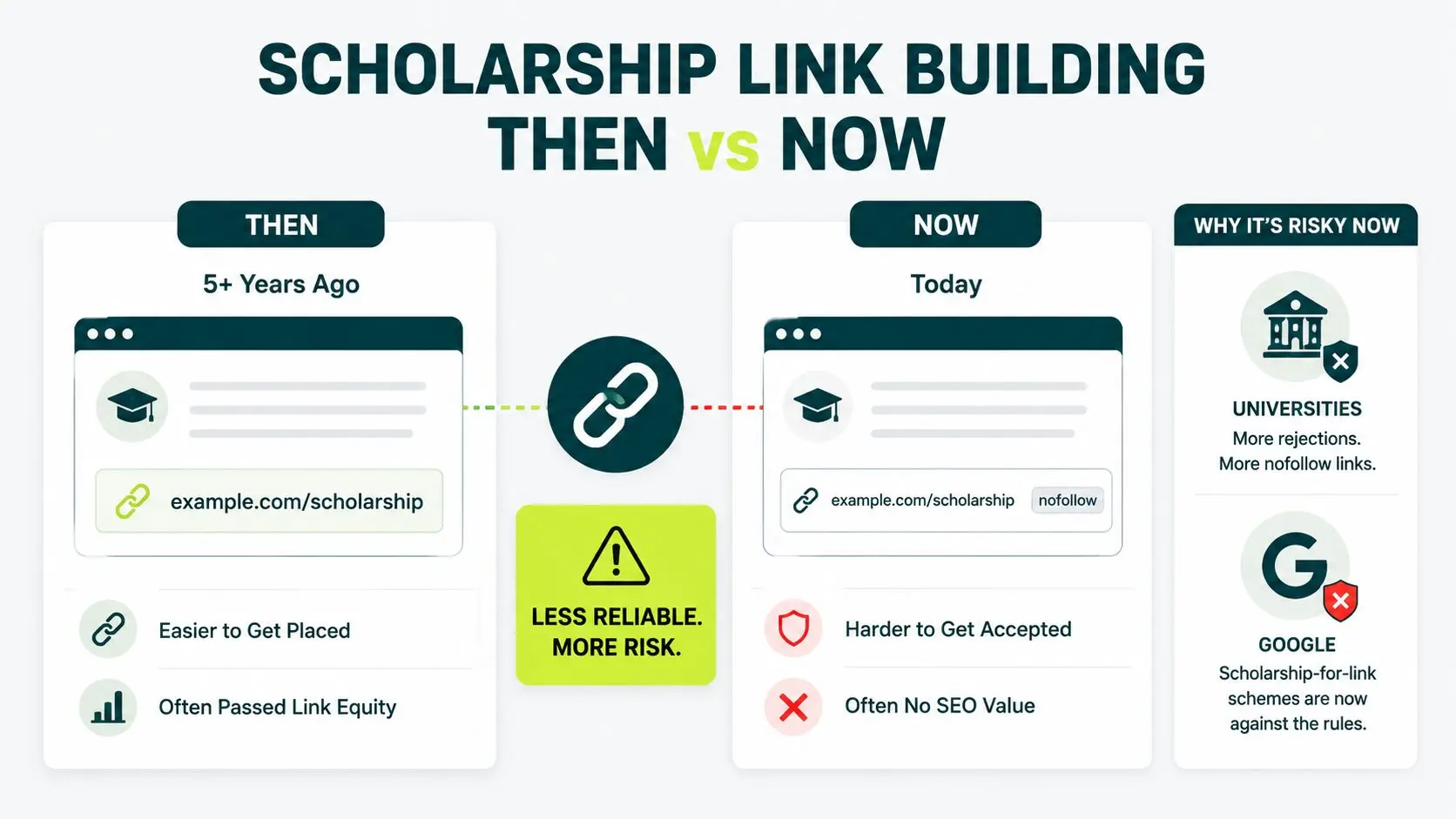
Two things have changed. The first is universities, and the second is Google.
1.Financial Aid Co-ordinators Reject Your Scholarships
Financial aid coordinators have received scholarship pitches from link builders for years.
Many coordinators now turn down any scholarship that seems to exist just to get a link.
More universities now add a nofollow tag to scholarship links by default, which takes away most of the SEO value you wanted.
What Is a Nofollow Link?
A nofollow link is a link with a rel=”nofollow” attribute that instructs search engines not to pass ranking credit to the linked page.
Coordinators who reply tend to ask one question: who selects the winner?
A scholarship page that can’t answer that in one clear line gets ignored entirely. The coordinator never reaches the nofollow question because they never list it.
2.Google Penalty
Giving an award in exchange for a link is exactly the deal Google’s systems are built to catch. The policy now mentions this directly.
What Google’s Spam Policies Actually Say
Google’s link spam policy lists the behavior it considers manipulative tactics.
The policy names exchanging goods or services for links as an example of link spam. It also names sending someone a product in exchange for a review that includes a link.
A scholarship gives money to a student, and then you ask the university for a backlink.
If the main goal is getting a link, this setup matches what Google’s policy warns against.
However, the same policy offers a way to stay compliant.
Google states that paid and sponsored links are a normal part of the web. They don’t violate the policy as long as they carry a rel=”nofollow” or rel=”sponsored” attribute.
What Actually Happens
A scholarship listing on a page students actually use can still help your rankings when it includes a dofollow editorial link. These listings do exist.
Many scholarship links land on nofollow or low-traffic pages, or come from universities that list scholarships without any editorial review.
When every inbound scholarship link points to a URL containing the word “scholarship,” Google’s spam systems are more likely to devalue the pattern than to reward it.
Scholarship link building is no longer the easy shortcut it used to be.
Difference Between a Real Scholarship and a Link Scheme
The difference comes down to four things, which are the scholarship’s name, the award amount, its relevance, and what happens after someone wins.
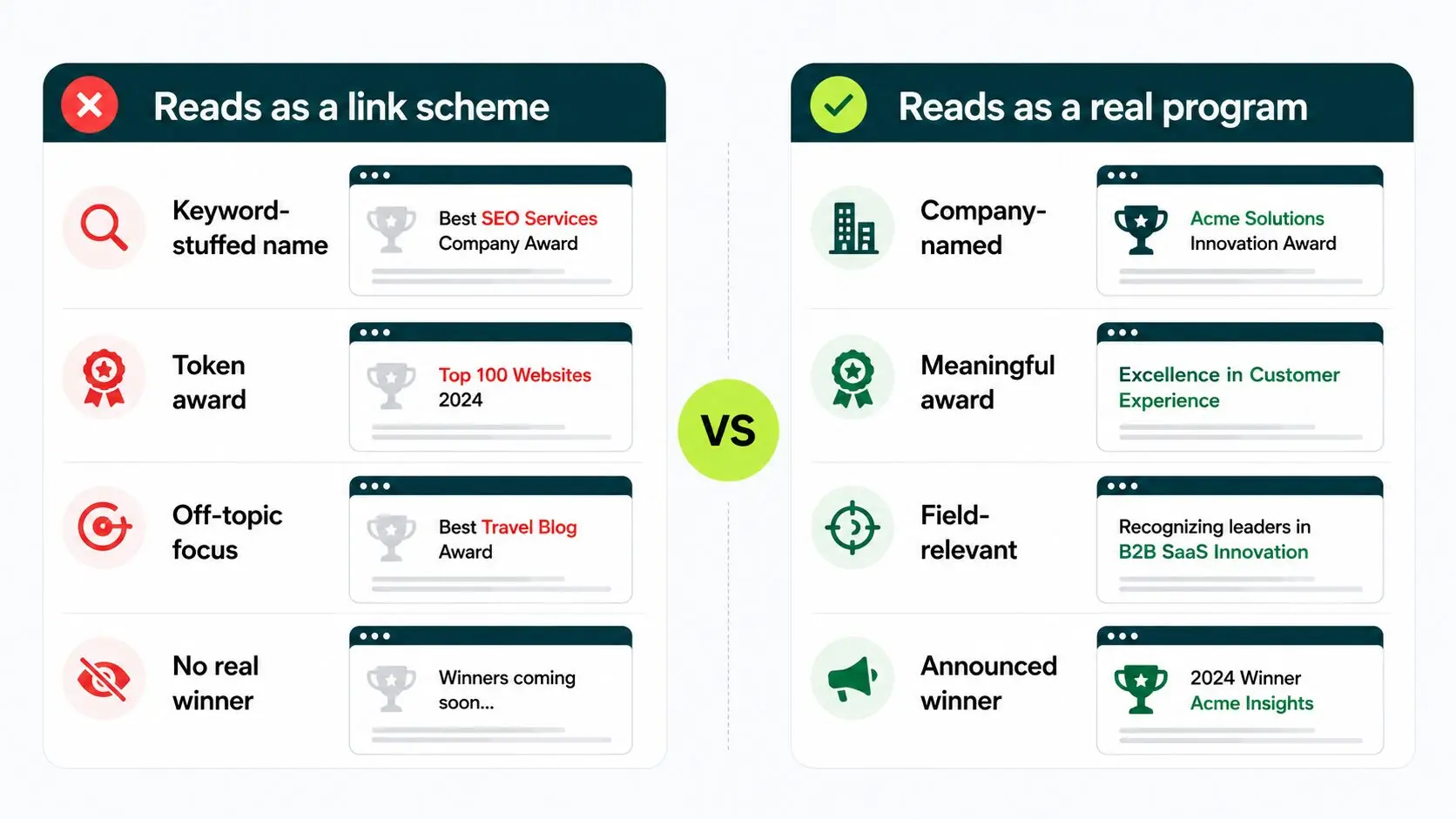
A scholarship link becomes a link scheme when the only goal is to get backlinks, with no real editorial context.
This is how that compares to a genuine program:
The Scholarship Name
A scholarship name packed with keywords is a red flag that the site may be involved in link farming.
If your scholarship’s name is designed to create keyword-rich anchor text on university pages, it clearly signals a link scheme.
A ‘best running shoes scholarship’ is clearly meant to help a shoe store rank. Coordinators and Google both spot that easily.
A real scholarship is named after your company or its mission, not after the keyword you want to rank for. Below is a list of scholarships from the University of Illinois Urbana-Champaign’s outside scholarship page.
The Award Amount
A small scholarship award can make your program look less credible.
Many universities publish eligibility requirements for external scholarships, and some require a minimum award amount before they’ll consider listing one.
For example, the American Indian College Fund runs a scholarship page for students. Awards range from $2,000 to $3,000.
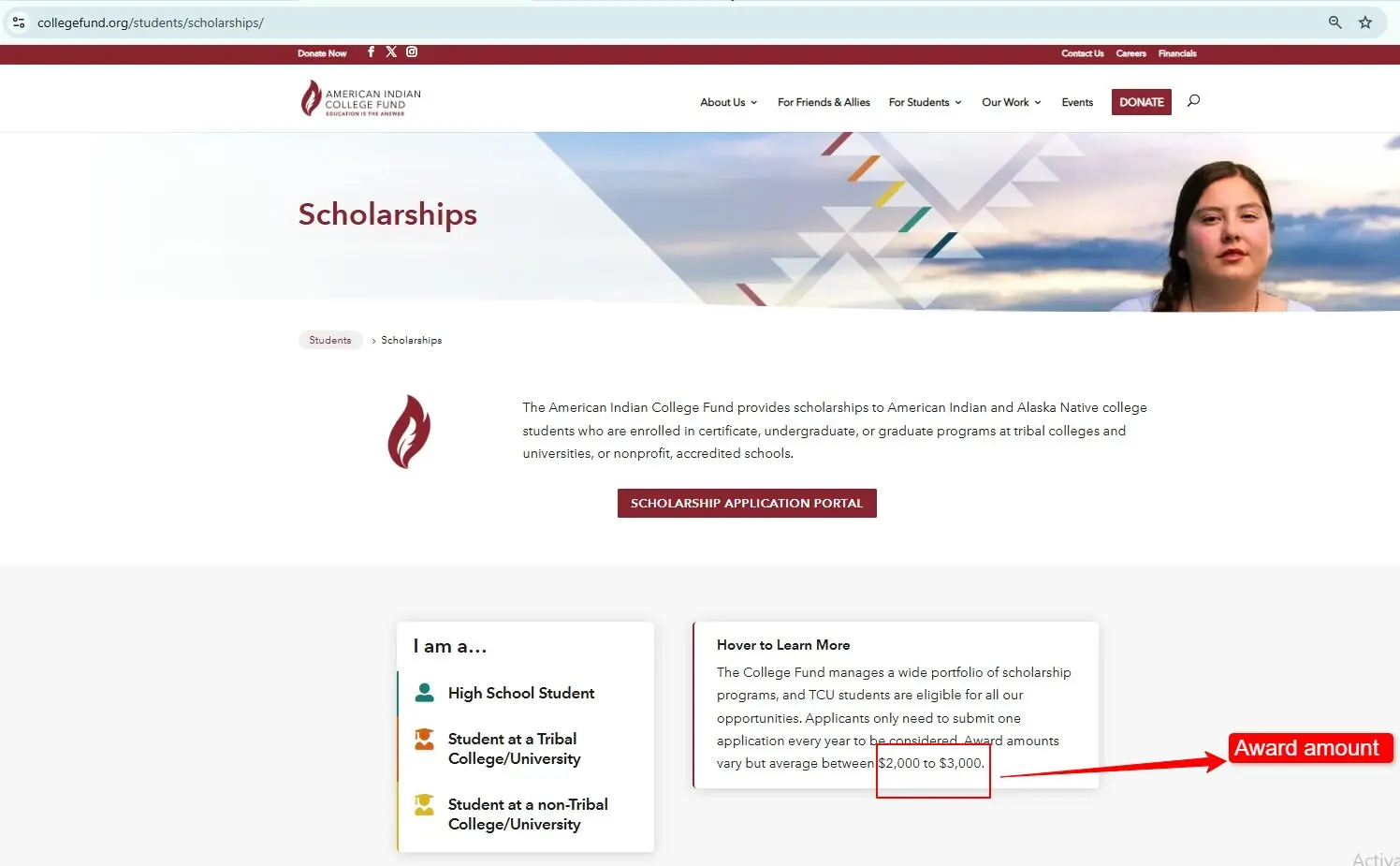
The minimum award amount varies by school. Students and coordinators are more likely to view scholarships that offer real financial help as genuine opportunities.
The Relevance
Your scholarship should clearly relate to your business.
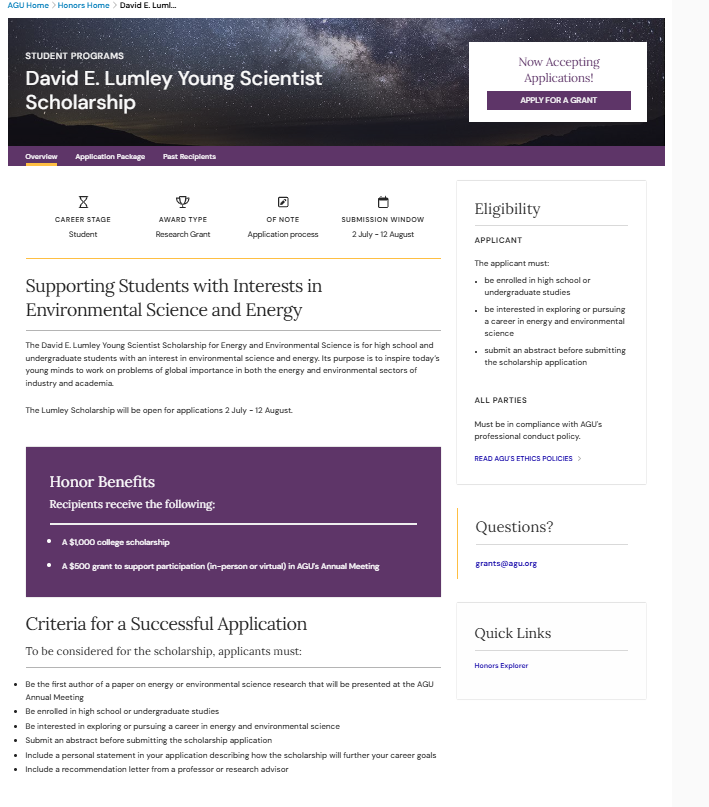
Below is an example of an international nonprofit scientific organization, Advancing Earth and Space Sciences, which runs the David E. Lumley Young Scientist Scholarship. This scholarship page offers scholarships to students interested in environmental science and energy.
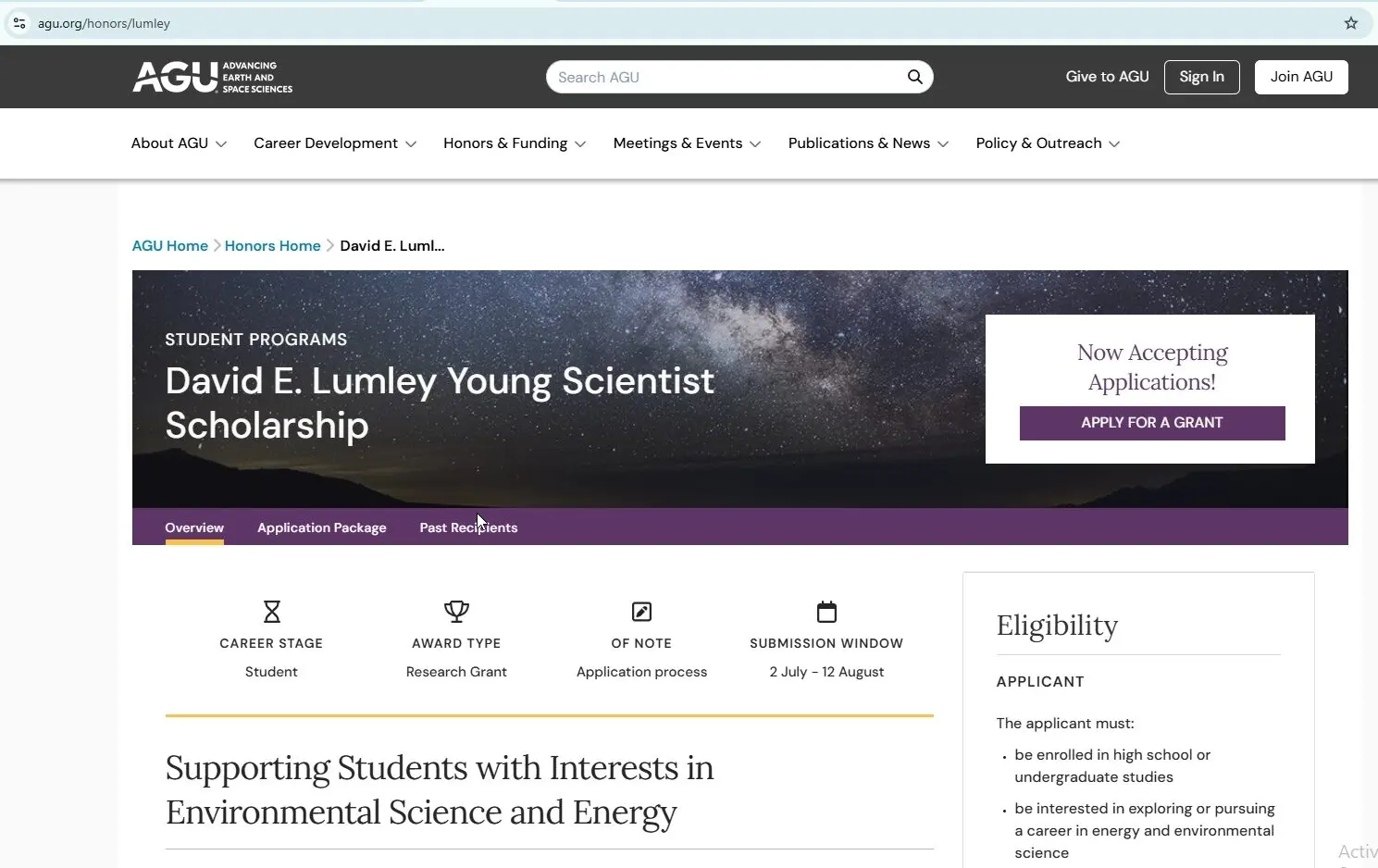
A general ‘any major welcome’ scholarship with no tie to your field reads as a publicity play instead of real support.
Credible scholarship is tied to your business’s field and provides real value to eligible students.
What You do After Someone Wins
After someone wins the scholarship, you announce the winner, tell their story, and pay the award on time.
The Harry S. Truman Scholarship Foundation lists the 2026 Truman Scholarship winners on the page below.
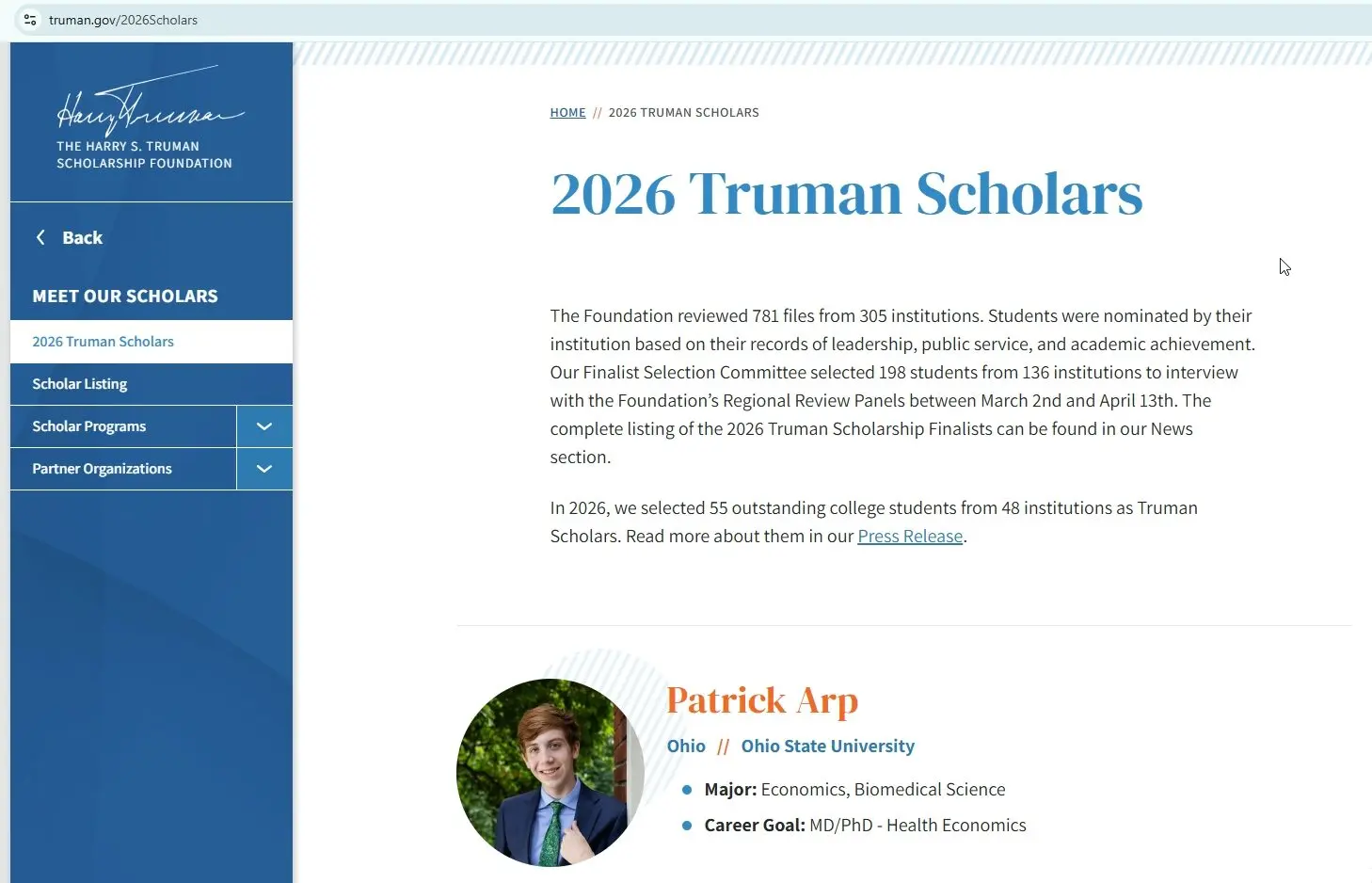
If you fund a scholarship but don’t do anything with the winner, it shows the program was mainly for getting links.
People notice whether you follow through or not. A real scholarship has a winner you can point to.
Most ‘company scholarship’ pages fail the relevance test at first sight.
If the scholarship name matches a keyword instead of a business, coordinators reject it before they even check the award amount.
How to Set Up a Scholarship Link Building Campaign
Set it up in four steps such as define the scholarship, build the page, find relevant universities, and do the outreach.
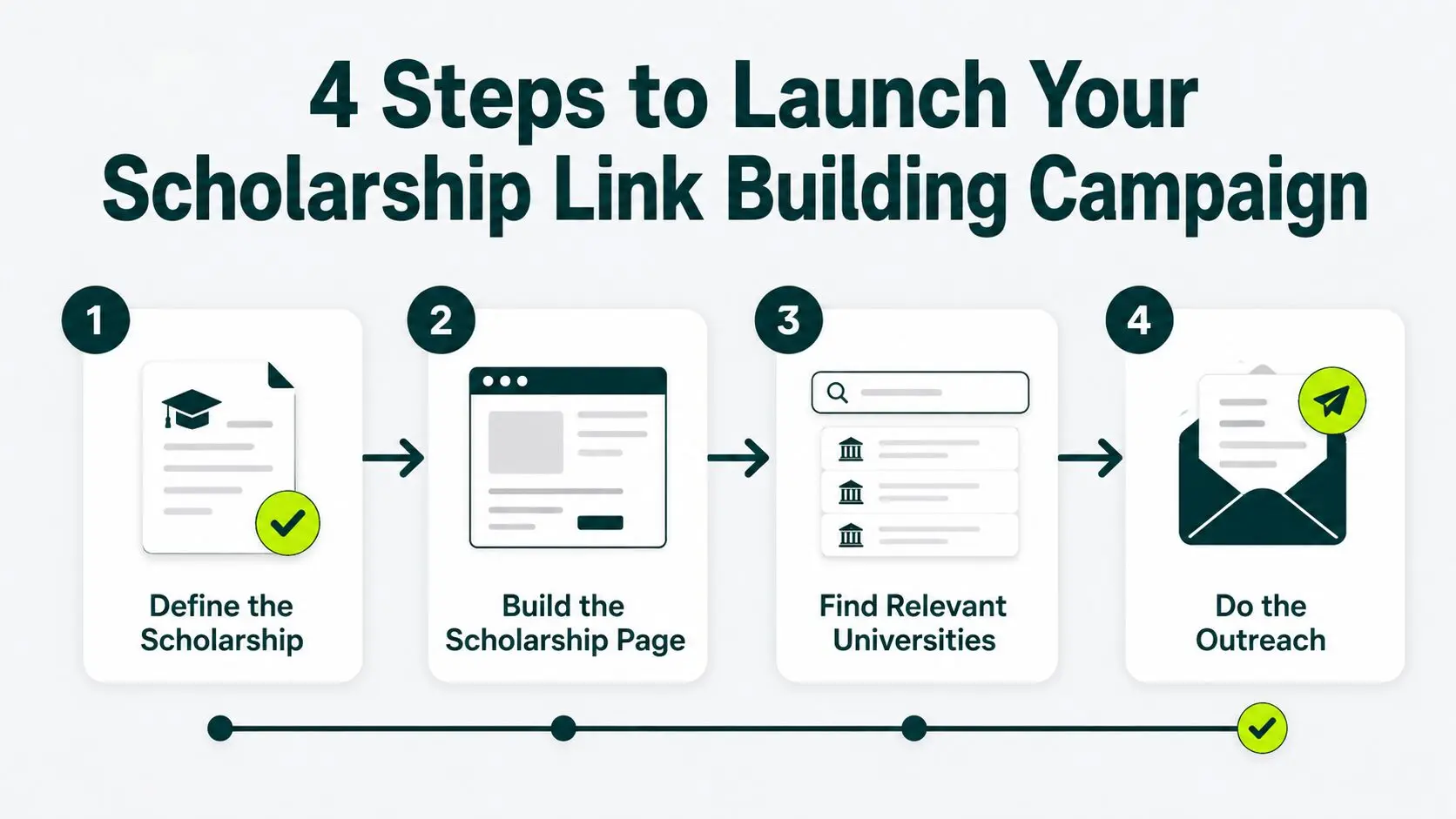
Each step shows how to run the campaign properly and how shortcuts can cause coordinators to flag or ignore you.
Define the Scholarship
Start by setting the scholarship’s terms, since every later step depends on them.
This is what you can clearly define in your scholarship terms:
- Award amount.
- Clear eligibility rule tied to a field you work in.
- Application requirements such as a short essay.
- Deadline.
- How you select and pay winners.
For example, the Advancing Earth and Space Sciences defines clear terms for its David E. Lumley Young Scientist Scholarship, including eligibility, award details, and application requirements.
Create a dedicated email address, such as scholarship@stelauniversity.com (replace Stela University with your company name), to keep applications organized and make the program appear legitimate.
Make sure your eligibility criteria are specific.
“Students enrolled in an accredited nursing program” gives a university coordinator a clear reason to list you on a nursing page.
“Any enrolled student” gives them nothing to match against.
Build the Scholarship Page
Build a single page on your website that clearly explains the scholarship. It can include everything mentioned in the scholarship terms above.
You don’t need a fancy landing page. A simple, clear page that a financial aid officer can quickly review is enough.
For example, the US Figure Skating, the national governing body for figure skating in the United States, offers the Memorial Fund Competitive Skaters Assistance Program (CSAP) through its Scholarships, Awards and Grants program.
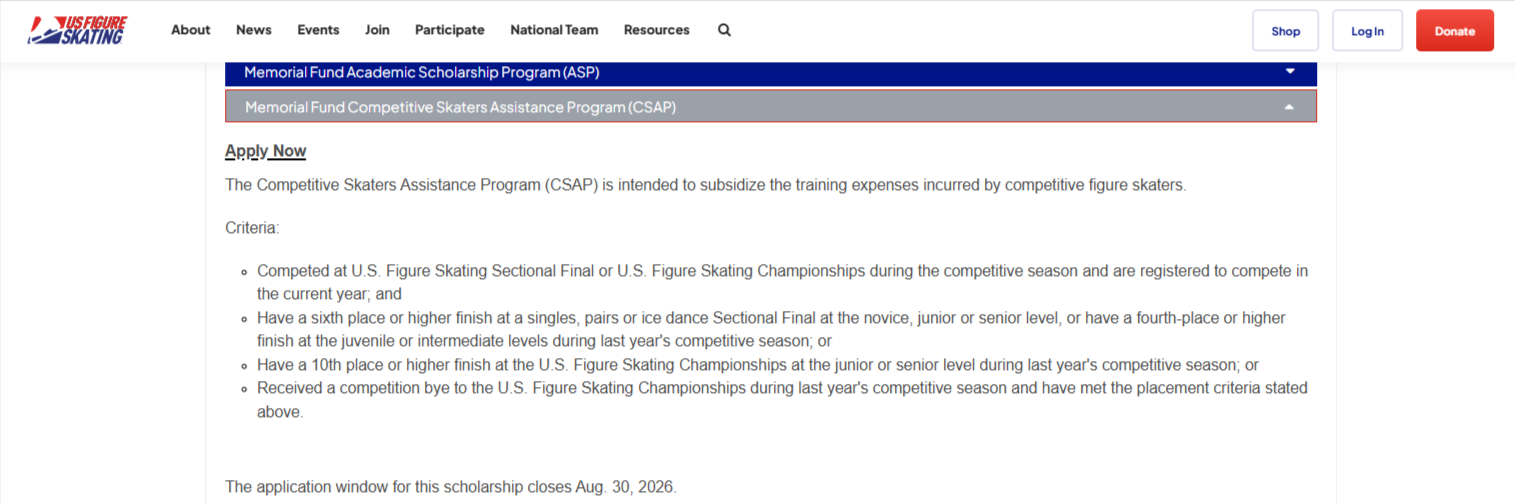
Its application form looks like this:
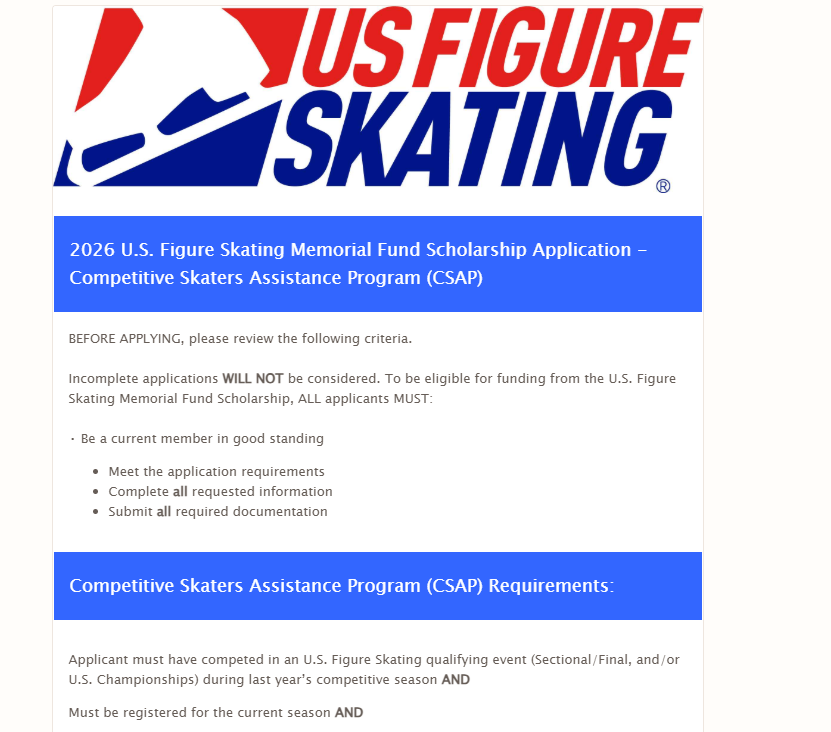
It has multiple scholarships mentioned on its scholarships, awards, and grants page, one of which is intended to subsidize the training expenses incurred by competitive figure skaters.
The most important rule is that the page should describe the scholarship, not your product.
If your page sounds like a sales pitch with a scholarship added, coordinators will stop linking to it, and it will look like a link scheme.
Find Relevant Universities
Use a Google search operator to find pages that list external scholarships, then check each one carefully.
site:.edu “external scholarships” “your field”
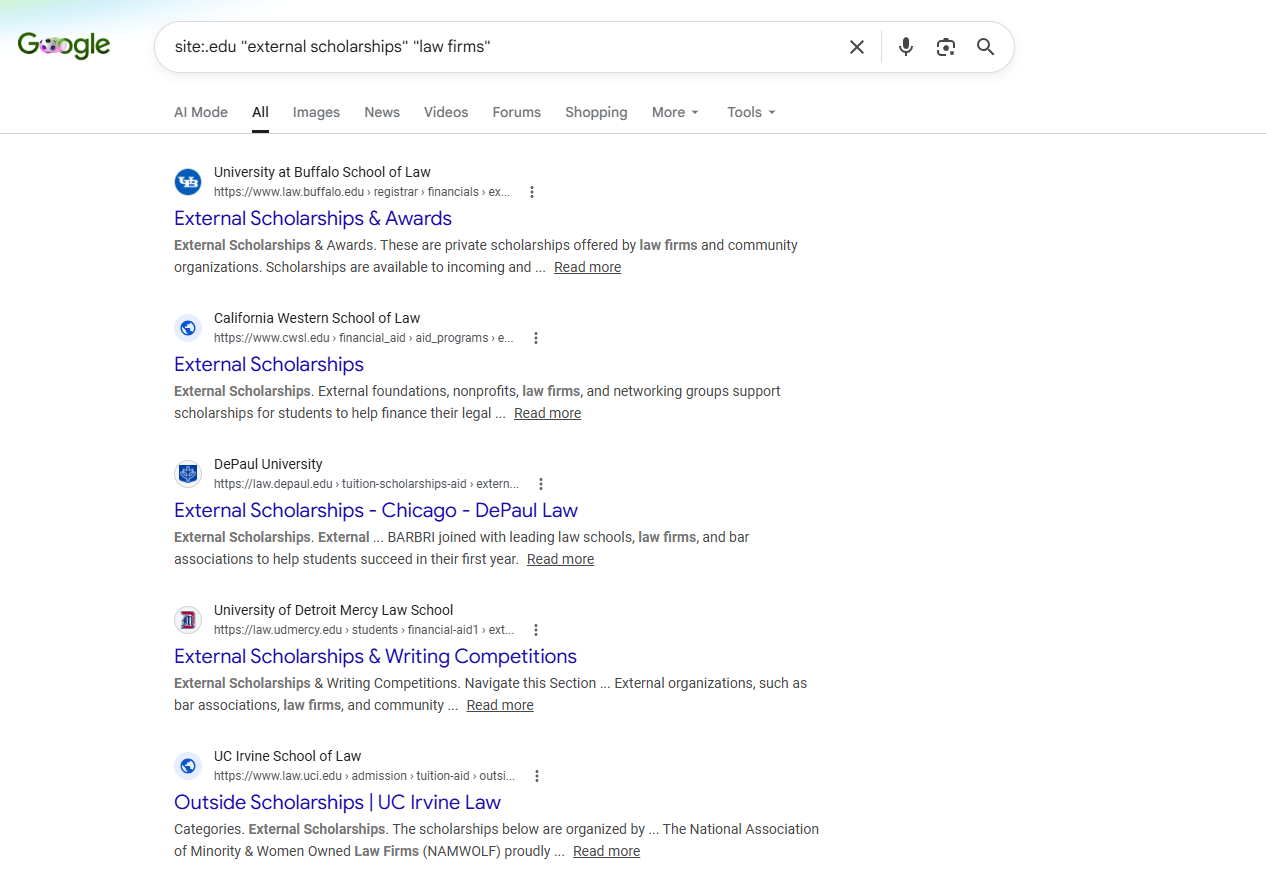
Replace ‘your field’ with the area your scholarship covers, and swap ‘external scholarships’ for other terms schools use, like ‘outside scholarships,’ ‘scholarship resources,’ or ‘private scholarships.’
Each phrase will bring up a slightly different set of pages.
Many university scholarship pages only list scholarships they fund themselves. You want the external or outside scholarship lists that include business-funded scholarships.
Run the Outreach
Email the financial aid office or scholarship coordinator with a short, specific message, where in you:
- Name the page where you want your scholarship listed.
- State what the scholarship is and who it’s for, in one line.
- Link to your scholarship page.
Example of an email outreach template:
Subject: Scholarship resource for your students
Hi [First Name],
I was looking through your scholarship resources page and noticed that you regularly share external funding opportunities for students. I thought one more might be a good fit.
We recently launched the [Scholarship Name], which supports [one-line description of eligible students].
If you think it’s relevant for your students, you can review the scholarship details here:
[Scholarship URL]
If it aligns with your listing guidelines, we’d be grateful if you’d consider including it on your scholarship page. If there’s any additional information you need, I’m happy to send it over.
Best,
[Your Name]
[Title]
[Organization]
[Website]
A general financial aid inbox works, but finding the specific coordinator increases your chances, just like following proven link outreach practices.
Plan to follow up twice over a few weeks. Most first emails get no reply, so don’t stop after just one attempt.
If you still don’t get a response, move on. Don’t follow up more than twice.
Realistic Cost and What You Get Back
Budget for a solid award, plus several hours of setup and outreach. You pay this before you know whether any university links back.
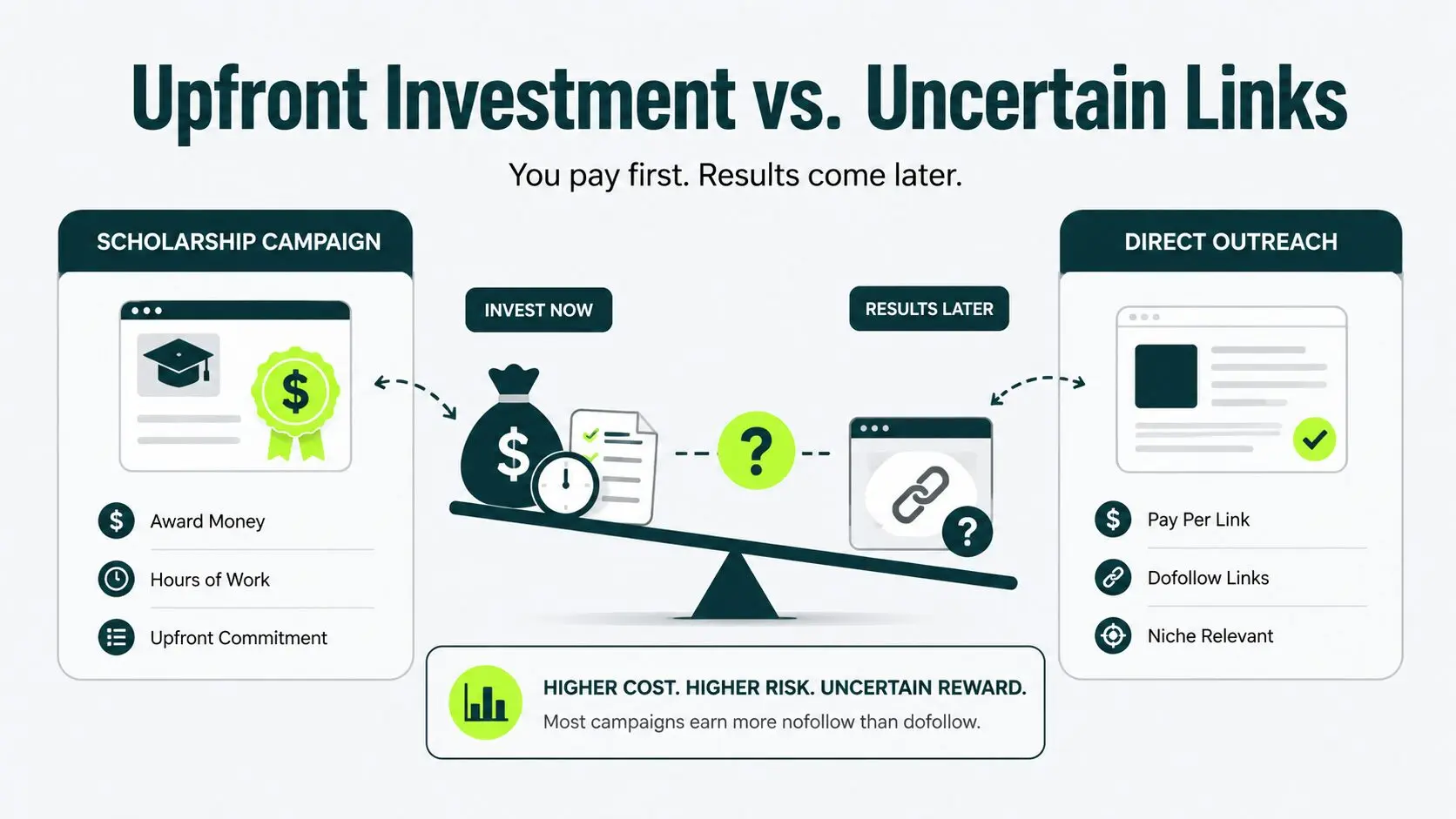
That upfront commitment is easy to miss in a quick cost breakdown.
A scholarship campaign requires an upfront investment in both the award and the outreach effort.
You commit the award and the time first, then find out afterward how many listings you earned.
Two nofollow links on low-traffic pages still cost you the full price. The award is only part of the total investment. You also spend time on:
- Building the scholarship page.
- Running search operators to find relevant sites.
- Evaluating each page before you pitch it.
- Writing outreach pitches.
- Following up with prospects.
- Reviewing applications and picking a winner.
This is a rough comparison table of how a scholarship campaign stacks up against direct link building spend.
| Factor | Scholarship campaign | Direct editorial outreach |
|---|---|---|
| When you pay | Before any link lands | Per link earned |
| Typical award or cost | $1,000+ award, plus hours | Cost scales with the number of links placed |
| Link type | Often nofollow | Dofollow editorial placements |
| Relevance | Only if scholarship matches your field | Chosen for niche fit |
| Main risk | Reads as a link scheme at scale | Standard outreach risk |
If you do run a scholarship, treat it as a brand-and-goodwill play that happens to earn some links. If you judge a scholarship purely on links per dollar, it almost never wins that math.
Most scholarship campaigns we’ve watched land more nofollow listings than dofollow ones. That’s the trade most founders don’t see coming until you’ve already paid for the campaign.
When to Skip Scholarship Link Building
Three situations make scholarship link building the wrong call. Budget, relevance, and opportunity cost.
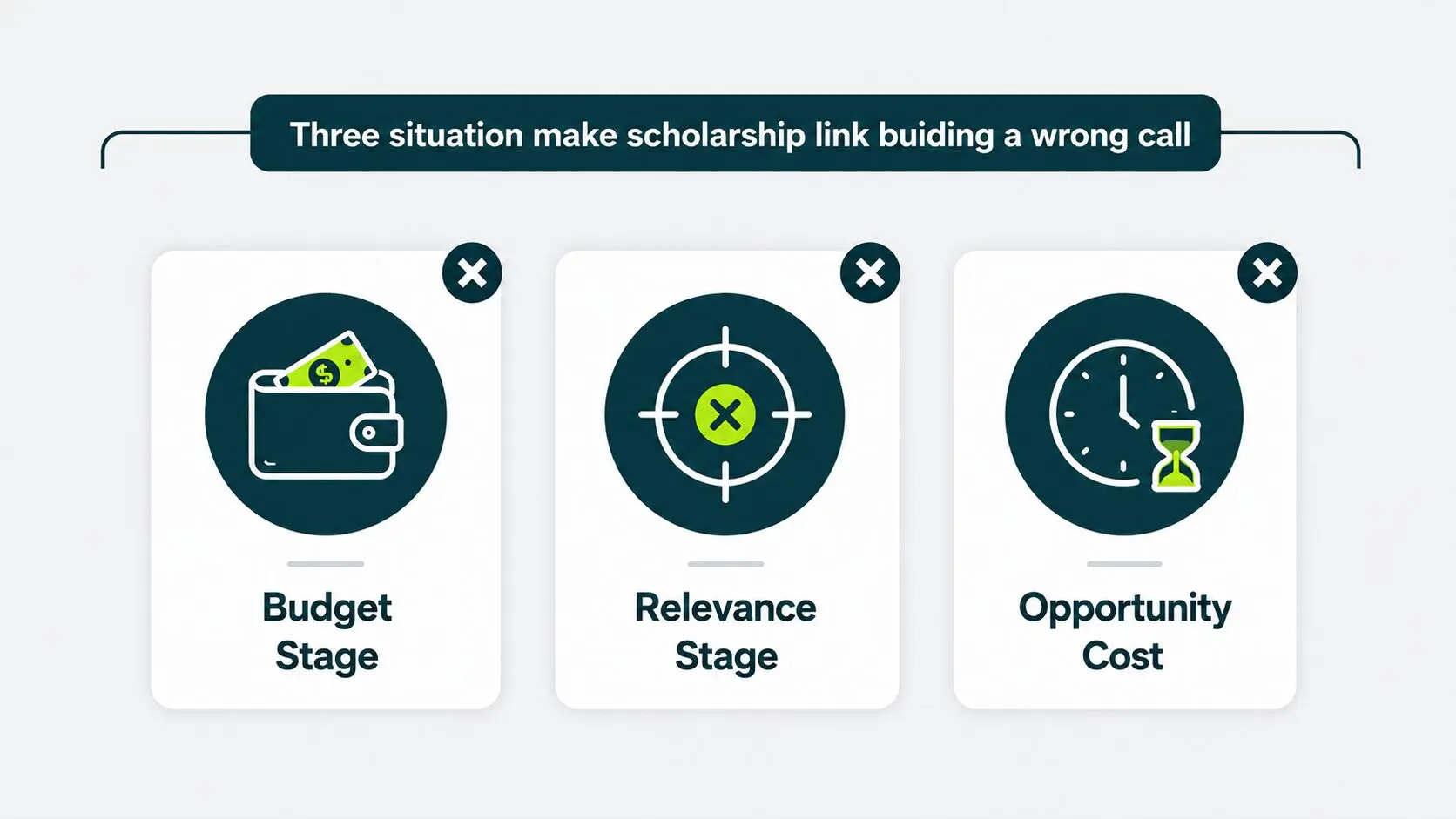
Budget Stage
Don’t gamble $1,000 on a tactic that returns, at best, a couple of irrelevant links that are harder to place and weaker to defend once live. If that amount matters to your business. That money buys more certain links elsewhere.
Relevance Stage
You can’t build a scholarship worth defending without a university department or program that connects to your business. You will struggle to place an irrelevant link, and struggle harder to defend it once live.
Opportunity Cost
Three blogs, podcasts, or industry sites with real pitch odds should win your hours first, if you can name them.
A topically relevant link in your own niche often carries more weight with your audience and Google alike than an off-topic .edu link.
What to do Instead
For most founders, the time and money behind a scholarship produce more relevant in-niche links.
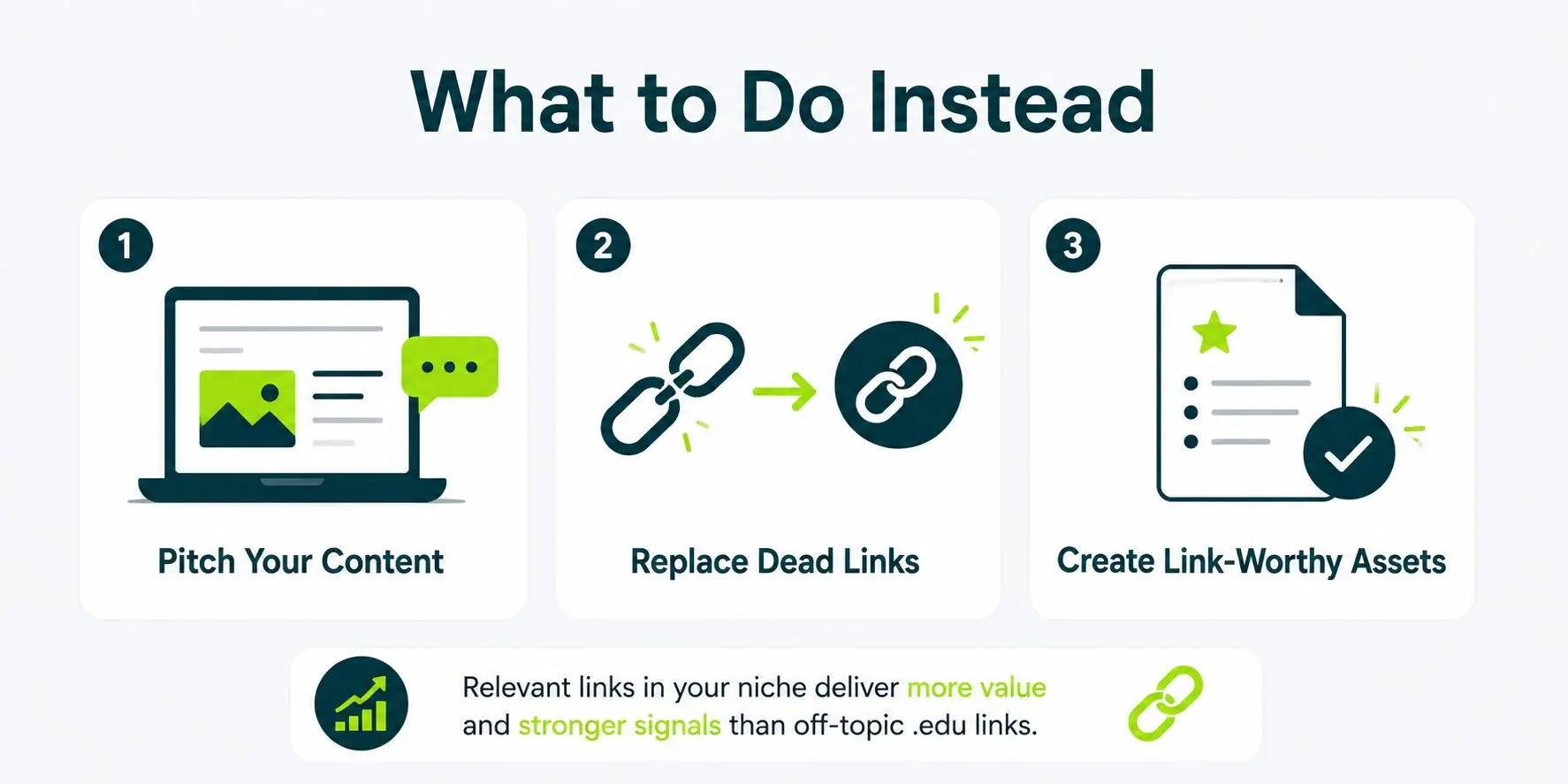
A few routes tend to beat scholarship for a site at this stage:
Pitch your best content to blogs and publications in your industry, where the link fits in context and points to something relevant.
Replace dead links on resource pages with a live alternative of your own, using the broken link approach.
Earn links by becoming a source for journalists and writers covering your space, and by writing contextually relevant content.
These build the kind of relevant links that hold their value, without the scheme risk a scholarship carries.
Before building links, understand what makes high-quality backlinks worth pursuing.
If you’re already sitting on a pile of risky .edu links from a scholarship campaign, learn how to disavow backlinks.
Run the Numbers Before You Fund Anything
Before you commit a dollar, write down what a scholarship would cost in awards and hours. Then list three in-niche sites where that same budget could earn a link this month.
If the second list looks stronger, you have your answer.
Scholarship links can work for the right business with a real program and patience. For most founders, direct outreach earns the better link.
Not sure which link building strategy will deliver the best results?
Get expert guidance tailored to your website.
Do .edu scholarship links still pass authority?
Some do, but most don’t.
Many universities now apply nofollow to outbound scholarship links, which stops them from passing ranking credit.
A dofollow link passes ranking credit by definition, but it carries more weight when the linking page has genuine traffic and real content.
Right-click the link > select View Page Source > search for the rel=”nofollow” attribute. Do this before counting on any SEO value.
How much does a scholarship link building campaign cost?
The least it should cost is $1,000. Plan for this much award amount because universities that still list external scholarships tend to set a bar around that amount.
On top of the award, you’re spending hours building the page, finding and carefully evaluating university pages, running outreach, and judging applications.
Before you invest, compare link building pricing with other link building approaches.
You commit all of it before knowing how many links you’ll earn.
How many scholarship links can I expect to earn?
There’s no reliable number, and it depends on relevance and award size.
A relevant scholarship with a meaningful award, pitched through careful outreach, earns more listings than a broad one.
Treat any specific conversion rate you read as a single campaign’s result rather than a benchmark you can count on.
If you’re wondering how many backlinks you need to rank overall, that’s a separate question worth looking into, too.
Is scholarship link building worth it for a small business?
No. The award is money spent before any link lands; the links are often nofollow. A professional link building service will get you further for the same budget.
The same budget often buys more certain, more relevant links through direct outreach.
A scholarship makes more sense as a brand and community program that earns a few links as a side effect, rather than as a primary link building tactic.