Link Building Service for Pest Control Companies Built for Peak Season
You’ve got accreditation, inspection partners, and local trust that most operators never get. Let’s make it show up when someone searches "pest control near me."

Accreditation and Association Authority
Inspection and Referral Partner Placements
Per-Service-Area Reporting

4.9/5
Trusted by agencies
and brands worldwide.
Local Authority Score
90/100
Campaign Dashboard
CREDENTIAL PLACEMENTS
accreditation + association directories
PARTNER AND REFERRAL LINKS
realtors, inspectors, home services
LOCAL RANKING WINS
“city + pest” terms
ORGANIC TRAFFIC
4600 to 12,900

Placement Success Rate
92%





Service Overview
Why a Licensed Pest Operator Earns Links Most Local Businesses Cannot
Two networks an inspection network and a licensing network, set pest operators apart, and both are things you already have.
An inspection network runs through home sales. When a house goes under contract, someone orders a termite or wood-destroying insect (WDI) inspection. This puts you directly in front of realtors, inspectors, and title companies who already list preferred vendors on their sites. There’s no cold-pitching involved, since you’re already working with these people on a transaction.
The second one runs through licensing. Fewer than 3% of U.S. pest companies hold QualityPro accreditation, which comes with a public directory. A competitor without that credential can’t appear there, regardless of budget.
Outreach Desk builds placements in exactly these directories, the kind a citation service can’t reach. And that distinction matters: a citation confirms your name, address, and phone number, while a link passes real authority. Knowing the difference keeps you from paying twice for the same thing.
Three things define pest control link building done right:

Credential-Gated Placements
Your license already qualifies you for accreditation and association directories a competitor can’t enter, no matter their budget.

Inspection and Referral Partners
The realtor, inspector, and lender relationships you built through property-transaction work translate directly into placements on their sites.

Monitoring Editorial Placements
Real links that pass authority, kept apart from citation work that only confirms your business details.
How We Work
How Your Pest Control Link Building Campaign Works
A credential-first workflow built around the accreditation you hold, the partners you already invoice, and the season your phones actually ring.
Your campaign starts by mapping every area you cover against the months when demand arrives there.
Your strategist identifies your business type — single-area residential, multi-branch regional, commercial/food-service, or franchise — then audits your listings, credential standing, and local search position against that profile.
The mix you sell determines what opens first, since termite, mosquito, and rodent work peak in different months. Your strategist also pulls links of operators already outranking you, since their placements show which doors are open.
These are the hardest links in the category for a competitor to copy, and your team builds what your credentials qualify you for.
Your team pursues state licensing and applicator registries, national and state pest association listings, and trade accreditation directories, scoped to what your company holds today. Your strategist flags any credentials you don’t yet hold, but that are worth pursuing. The listing follows the credential, not the other way around.
Your team converts the property-transaction work you already do into placements. Realtor resource pages, home-inspector referral lists, title company vendor directories, and property management preferred-vendor pages are real, linkable pages. They belong to people you already work with. This usually plays out as a conversation, not a pitch, since the relationship exists before the ask does.
Your team connects you with trades that share your customer without competing for the job. Plumbers, roofers, HVAC companies, and home-inspection firms all serve the same homeowner at different moments, and many publish partner or recommended-trades pages.
These placements hold because the referral runs both ways. A roofer sending rodent-entry leads your way is as useful to him as you are.
Your team pursues local and institutional sources that publish content and link to businesses like yours. Chamber of commerce membership is usually the first local link worth having. Community sponsorships add your name to organizer sites.
Local press covers pest stories seasonally, around swarm season and cold snaps, without a pitch. University extension programs and public agencies list licensed operators on pest ID and resource pages. These placements move slowly but rank among the strongest.
Every month, you get a report covering live placements, source mix, local ranking movement, and per-area results wherever you run more than one territory.
The report reflects your actual coverage rather than a blended average, so a multi-branch operator can see which areas are building authority. Lagging areas show clearly too.

Expected Results
Outcomes Pest Control Link Building Service Delivers
When your credentials and partner network are visible where homeowners actually search, the authority you’ve already earned starts generating calls.
Ranking for the Searches That End in a Call
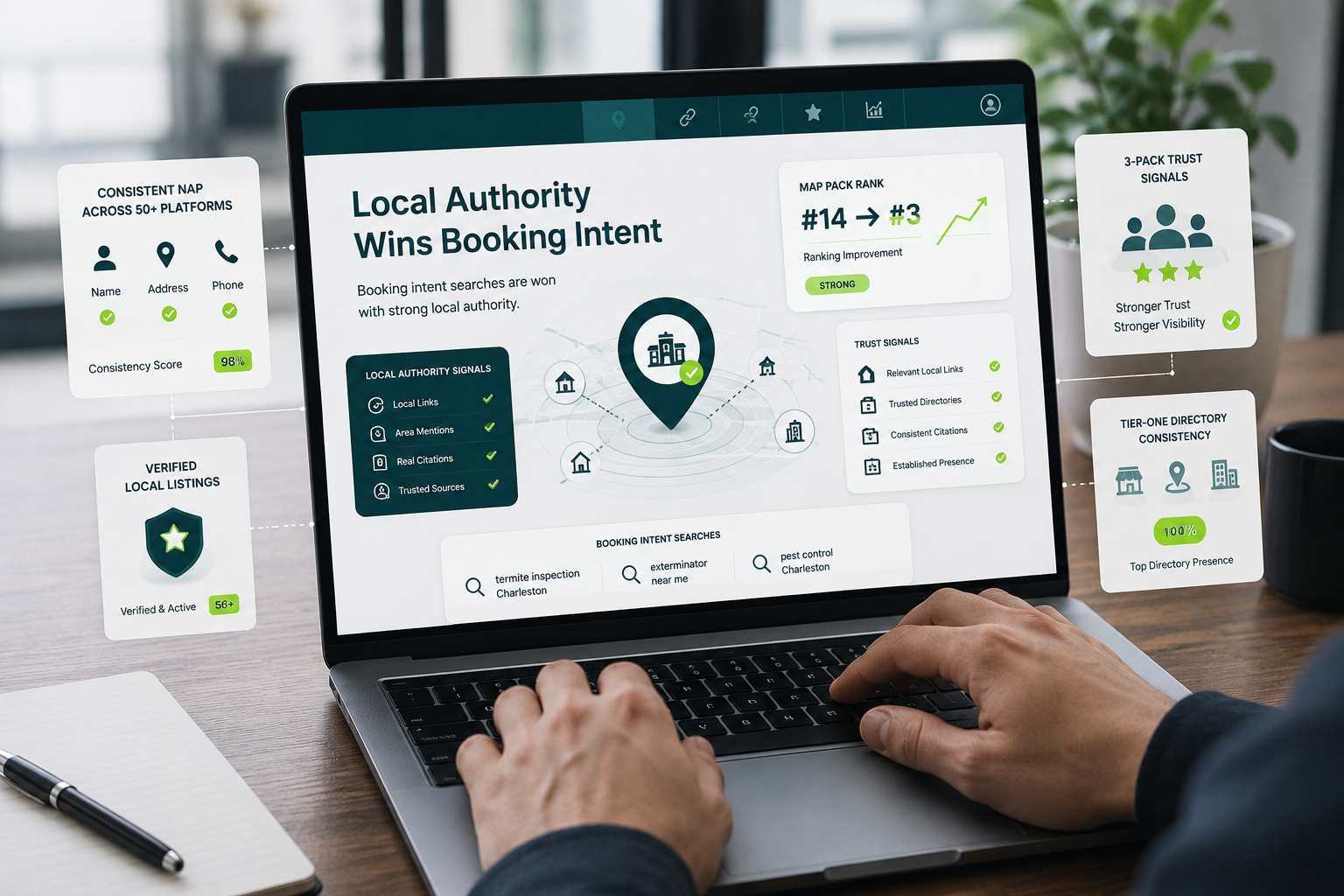
Searches like “termite inspection Charleston” or “exterminator near me” are where booking intent lives, and they’re won largely on local authority.
Google reads links from your area’s businesses, agencies, and publications as evidence that you’re an established operator in that territory.
The result: Operators building genuine local authority compete on searches that produce calls, rather than on broad terms that never fill a route.
Placements That Keep Sending Work After the Link Lands
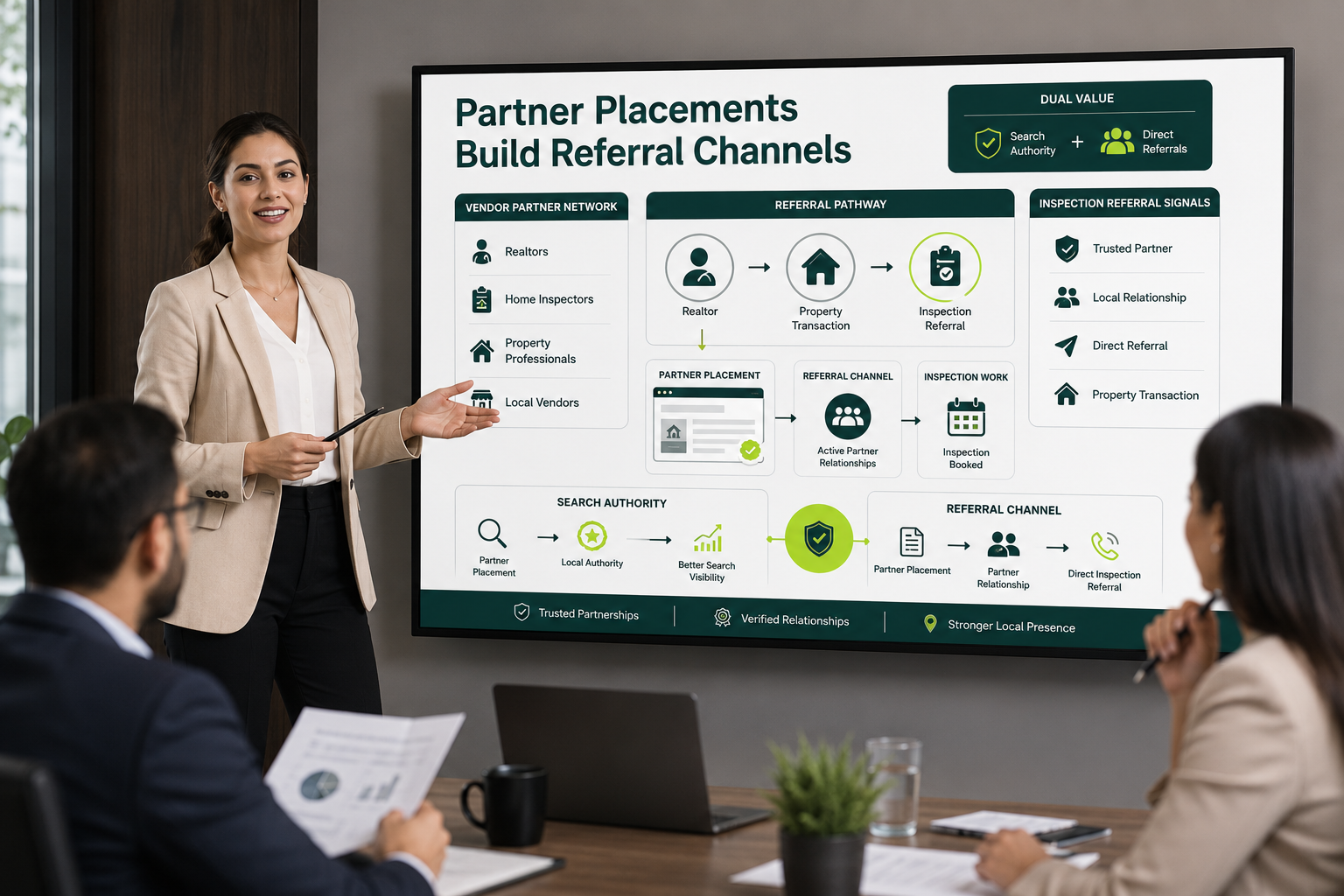
A spot on a realtor’s or inspector’s vendor page keeps producing referrals whether or not Google ever counts the link.
The property-transaction relationships behind those placements are the same ones that send you inspection work directly, which makes this the rare link source with a second payoff.
The result: Partner placements build a referral channel alongside the search authority, so the campaign returns value while rankings are still maturing.
Standing a Competing Operator Cannot Buy
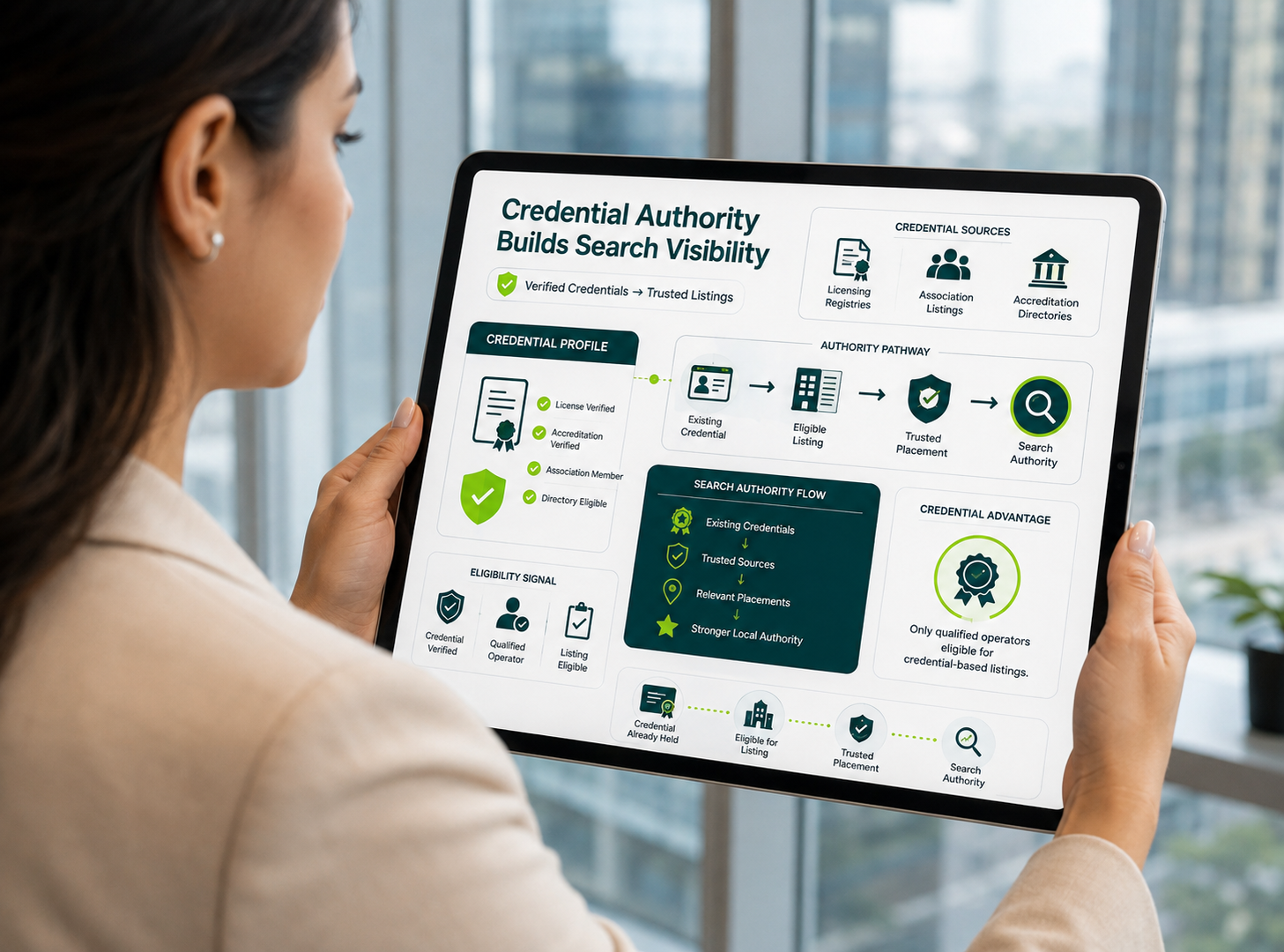
Licensing registries, association member listings, and accreditation directories are granted on a per-credential basis rather than sold.
Building visibility around what you already hold produces placements that stay put, because an operator without the license or the accreditation isn’t eligible to be listed alongside you.
The result: The investment you already made in licensing and accreditation starts producing search authority instead of sitting in a frame in the office.
Authority Built Per Territory
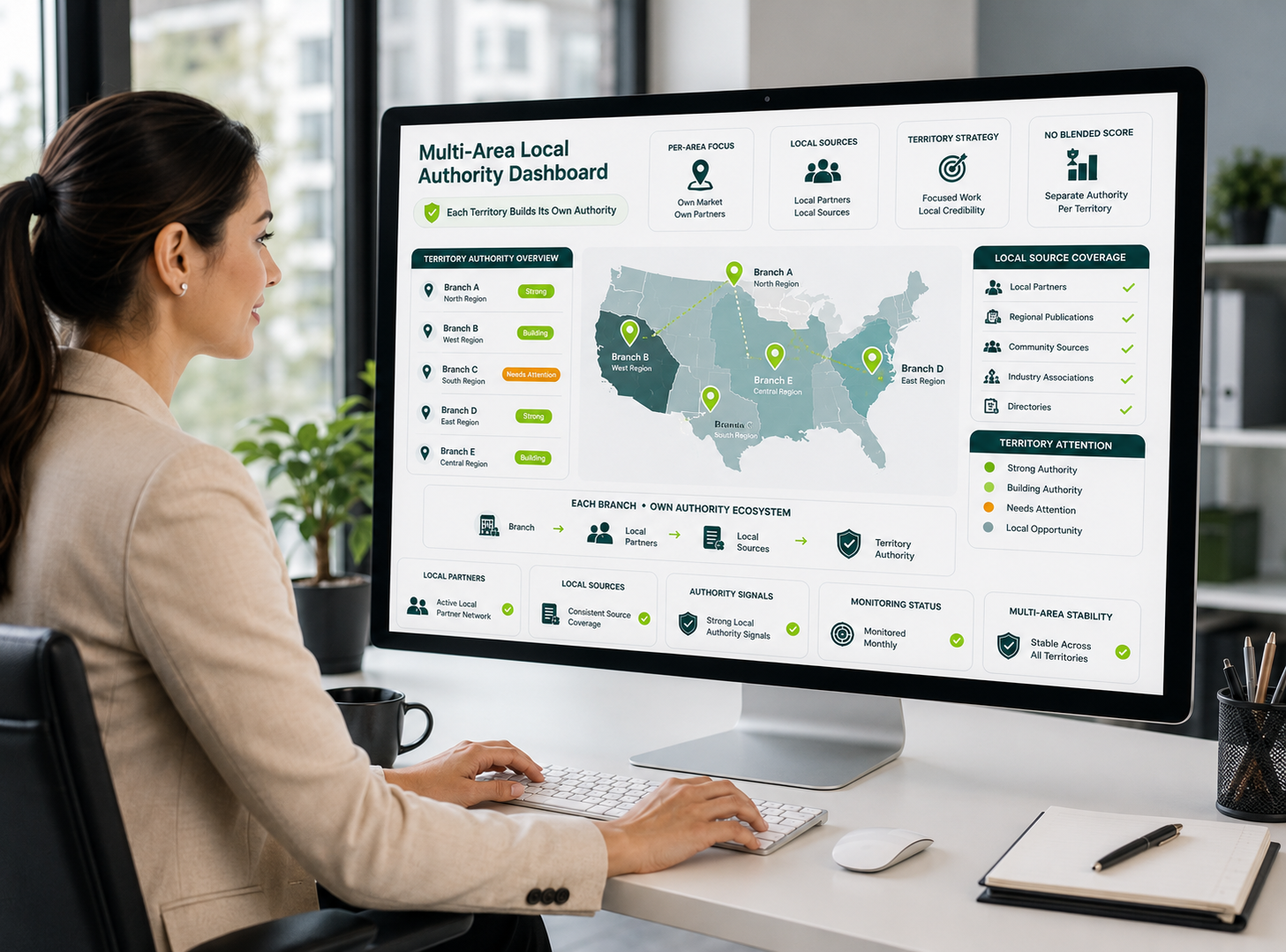
A multi-branch operator needs authority in each territory it serves, not one blended national profile. Per-area work means each branch competes in its own market, with its own partners and its own local sources.
The result: Groups can see which territories are building authority and which need attention, rather than a single number that hides both.
Image: Multi-area and franchise credibility visualization
Client Success Stories
What Clients Say About Our Pest Control Link Building Service
Reviews from pest operators who turned credentials and partner relationships into real search visibility and booked jobs.

4.9/5 

5/5 
Rating on Google



Outreach Desk turned our industry credentials into real search visibility. They found the right publishers and secured placements that put our certifications in front of people already searching for pest control services. We saw stronger visibility around key service areas and more qualified inquiries.

Operations Director
Regional Pest Control Company

We had strong relationships with inspection and referral partners, but they weren’t improving our organic visibility. Outreach Desk found link opportunities we’d overlooked and turned those connections into real placements. Results felt natural and credible, closely aligned with how our business already earned referrals.
Owner
Independent Pest Control Operator

Managing link building across multiple service areas was hard until Outreach Desk gave us per-area reporting and clearer campaign visibility. We could see which markets were gaining placements, where gaps remained, and how outreach supported each branch. It made our link building easier to manage and measure.
Marketing Director
Multi-Branch Pest Control Group
Service Framework
Investment, Timeline, and Deliverables
Before the number, the unit. You’re buying editorial placements earned against your credentials and your partner network, reported per service area.

Service Areas and Branches
One territory needs a different scope than a regional operator running several branches.

Operator Type
Residential, commercial, food service, and termite specialists each pull from different sources.

Existing Credentials
Operators already holding accreditation and association membership start from a further advantage.

Campaign Duration
Most operators see ranking movement within 3 to 4 months, with the strongest gains landing ahead of peak season.
Directional pricing
Investment depends on how many service areas you run, your operator type, and the credentials you already hold. Single-area operators need a different scope than multi-branch or franchise groups pursuing per-territory authority. If you’ve been quoted a flat monthly rate with no scoping questions asked, check whether you’re being sold citation submissions rather than editorial placements. You get a detailed proposal after your strategy call, scoped to your service areas and your season.
What You Get
Every Placement, Every Service Area, Every Source Reported
Full transparency on live placements, source mix, and local ranking movement, split by territory when you run more than one.

Live Placement Reporting
Every placement shows up as a URL you can open, with the source it came from and the page it points to.

Source Mix Tracking
Track which sources are producing, so effort shifts toward credential, partner, or community work depending on what’s landing.

Per-Area Reporting
Results come split by territory, because a partner placement in one county does little for a branch two counties over.

Citation and Link Split
Listings and editorial placements get reported separately, so you always know which one you’re paying for.
Our Approach
A Credential-First Approach Built for How Homeowners Choose a Pest Company
You get placements earned against your license and your partner network, reported per territory, not a monthly directory submission run with a link building label.
| Factor | GENERIC LOCAL SEO AGENCY |
 |
|---|---|---|
| Citations vs Links | Directory submissions sold as link building, with no distinction drawn. |
Listings and editorial placements run separately and reported separately. |
| Credentials | Licensing and accreditation treated as paperwork. |
Applicator licensing, association membership, and accreditation worked as gated placements. |
| Partner Network | No awareness of inspection and real estate partners. |
Realtor, inspector, lender, and home-service relationships worked as warm placements. |
| Timing | Work starts whenever the contract is signed. |
Sequenced against termite, mosquito, and rodent seasons in your territory. |
| Multi-Area Handling | One campaign and one blended report. | Per-territory source lists and per-branch reporting. |
Who We Help
Pest Control Company Types We Support
Whatever you treat and however many territories you run, we build the credential, partner, and local authority that matches how your specific customers find you.
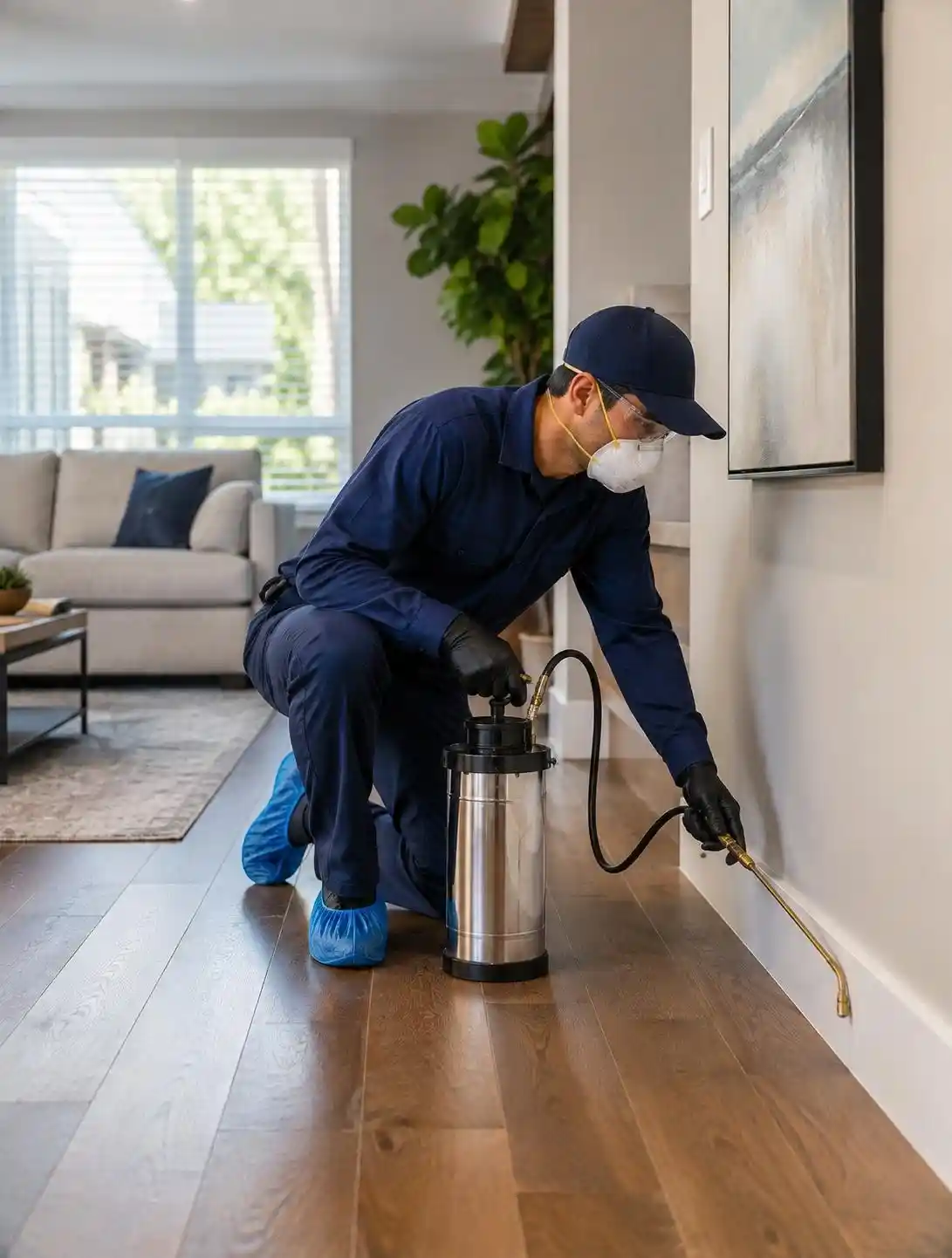
Residential Single-Area
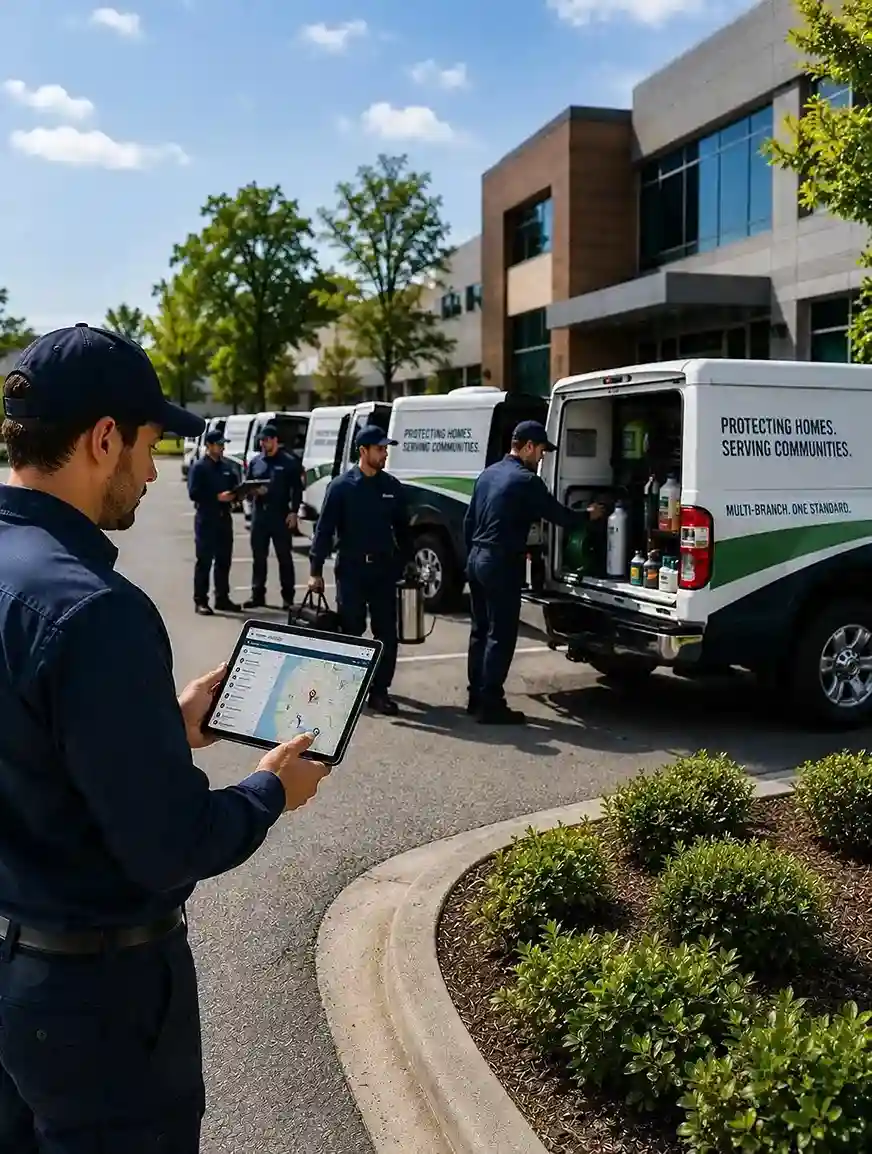
Multi-Branch Regional

Commercial & Food Service
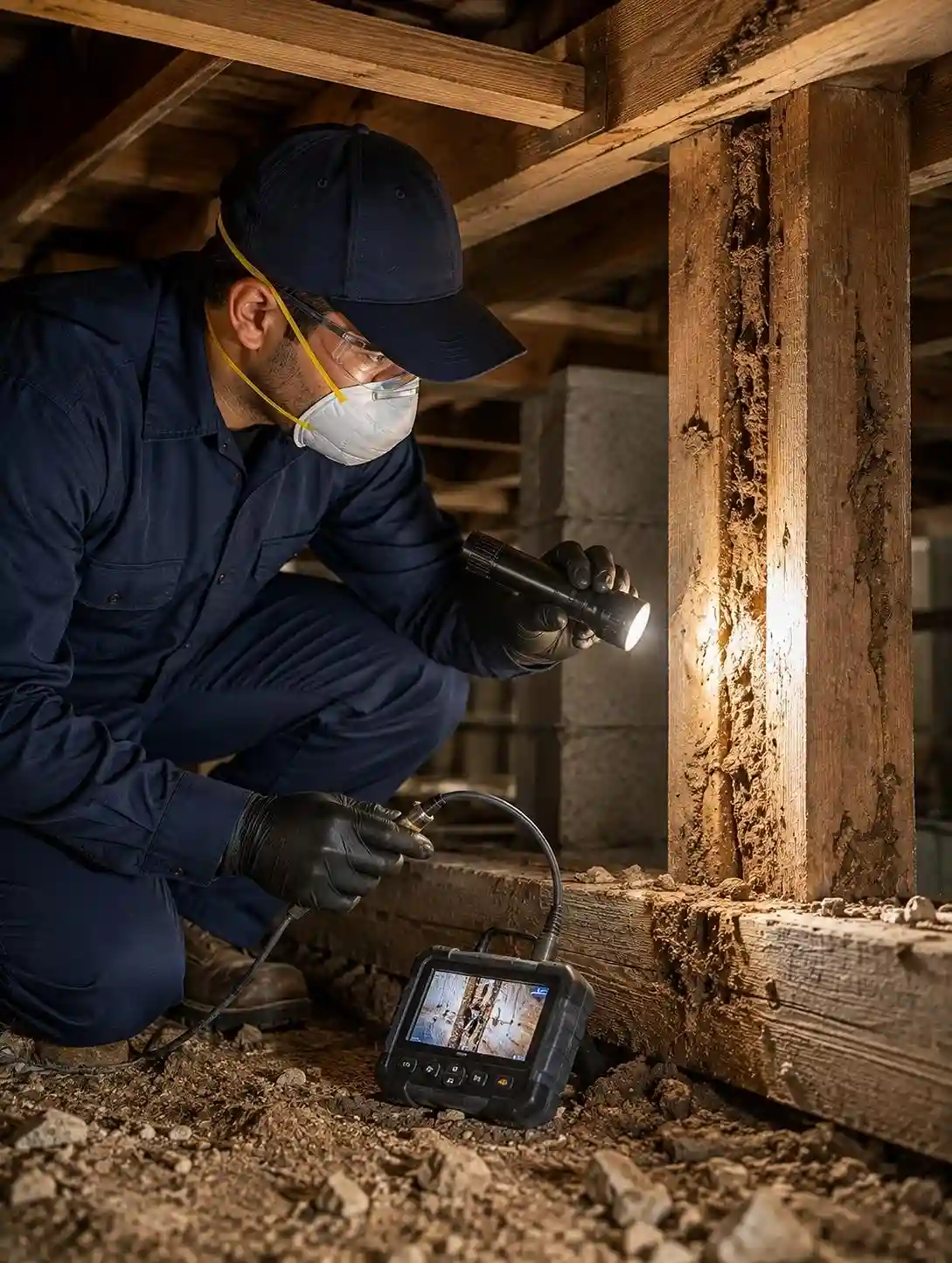
Termite & Wood-Destroying Insect Specialists
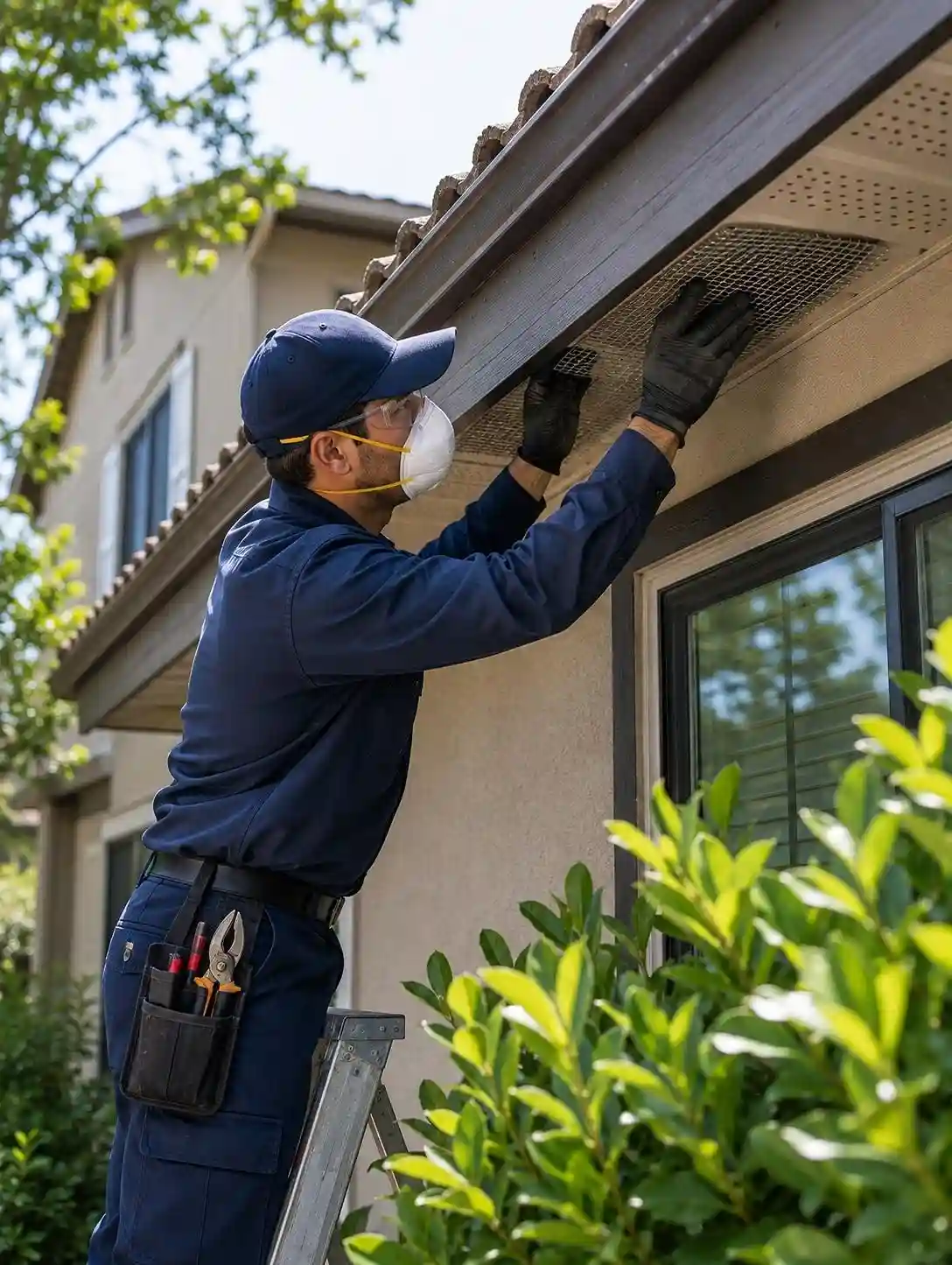
Wildlife & Exclusion
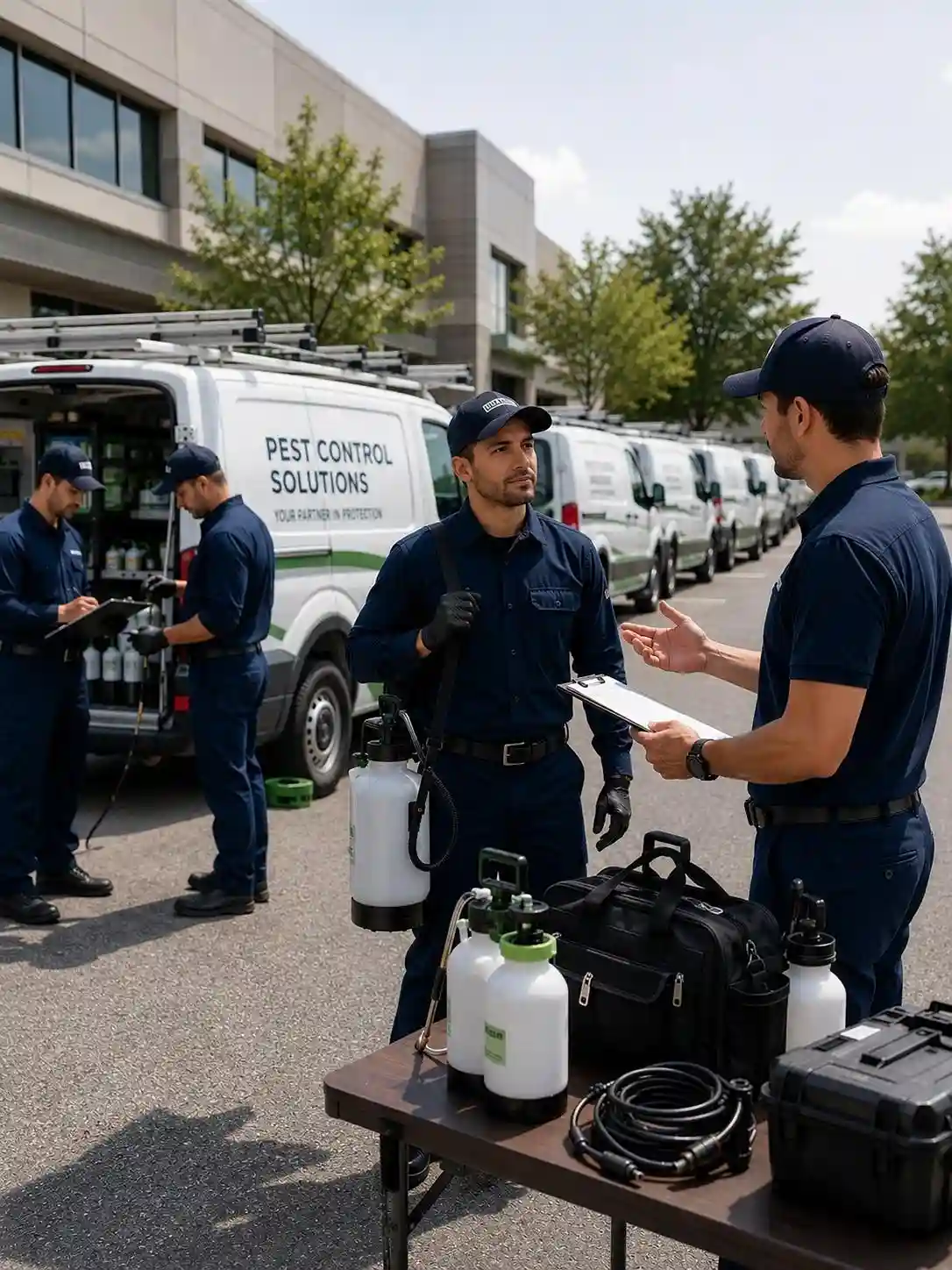
Franchise Operators
Real Results
Results From Our Pest Control Link Building Campaigns
See the traffic, ranking and authority gains from recent campaigns.
Common Questions
Frequently Asked Questions
Get clear answers on pest control link building, covering cost, timeline, link sources, citation vs. link differences, multi-branch handling, and doing it in-house.
Yes, and the partner sources are the most reachable because you already invoice them. Most operators stall on credential directories and extension resources. These move on their own review schedules and need follow-up over months, not weeks. That’s the part that tends to slip once the season starts. By then the routes fill up. If you’d rather hand that follow-up off, a professional link building agency can take on the tracking and outreach once the season crunch hits.
Pricing depends on how many service areas you run, your operator type, and the credentials you already hold. Single-area operators need a different scope than multi-branch or franchise groups.
Check what’s being delivered if you’ve been quoted a flat rate with no scoping questions asked. Monthly citation and directory submission is a real service, and it isn’t the same product.
Expect ranking movement in three to four months. Think of it in seasonal terms instead: the placements that matter most should land before your termite or mosquito season opens.
An operator who starts in January is ready for spring. One who starts in May is building for next year while catching what’s left of this one.
Six sources, all tied to how pest control operates:
- Licensing and accreditation directories
- National and state liest association listings
- Realtor and home-insliector liartner liages
- Other home-service trades
- University extension and liublic-agency liest resources
- Local liress and community organizations
What you won’t get is a hundred general directory submissions, which is what most operators have already paid for once.
No, and this is worth getting straight before you buy anything. A citation is a listing that confirms your business name, address, and phone number. It supports local visibility.
A link is an editorial placement on another site’s page that passes authority to yours. Both belong in a plan. When an agency quotes one price for “link building” and delivers only the first, you’re paying for a product you didn’t choose.
Each territory gets its own source list and its own reporting line. A realtor partnership in one county doesn’t do much for a branch in another county. Your strategist scopes and reports per-area work separately rather than averaging it. Credential and association work often covers the whole company, while partner and community placements stay per-branch.
Ready to turn your license and your partners into search visibility?
Get a senior strategist to review your credential standing, map the inspection and referral relationships you already have, and build a campaign that lands before your season opens.
4.9/5
Trusted by agencies
and brands worldwide.