Link Building Service for Churches Built on the Groups You Host
Turn the groups that meet in your building into local and faith-based placements that build authority and help more families find your church online.

Pages your hosted group can link to
Placements on local and faith sites
Every link reported with the page it supports

4.8/5
Trusted by agencies
and brands worldwide.
DOMAIN RATING
8 → 19
Campaign Dashboard
LINKS FROM HOSTED GROUPS
+43 links
OUTREACH PLACEMENTS
+29 placements
LOCAL SEARCH RANKINGS
“Church + town” terms
ORGANIC TRAFFIC
+108%

EVENT SIGNUPS
18 → 49





Service Overview
How We Build Links for Your Church
A church earns links from its weekday life: the groups that use its building between Sundays. Many congregations that own their buildings also have other groups using those buildings.
When a hosted group’s website names your church as its meeting place and links to your site, it creates a relevant connection between the two.
Groups with a formal relationship with your church can create natural link opportunities. Three Scout troop websites checked for this page all link to the church that hosts them. None of the four community choir websites linked to a church, even where they named one. Partners for Sacred Places’ 2016 study found that 87% of people served by programs and events in 90 congregations weren’t members. So your building can reach beyond your congregation.
You’ve probably been told to blog your sermons and list the church in every directory. For link building, a page that tells a Scout family which door to use earns more than a sermon archive.
Three things define church link building done right:

Your Building Already Serves the Community
Many groups that use your building have websites where they can identify your church as their meeting location.

A Page Worth Pointing To
Each group you choose gets a page with its meeting details, so a link to it helps members.

Placed Where People Read
Editors publish placements on local, family, and faith sites that fit your area.
How We Work
How Your Church Link Building Campaign Works
Your church link building campaign follows six steps, from your building’s weekday calendar to links you can verify yourself. You approve every request before anyone sends it in your church’s name.
Your campaign starts by identifying who uses your building during the week and when they meet. You list who uses the building and when: Scout troops, arts groups, classes, and community programs. Only you know these relationships, so the list comes from you.
Support and recovery groups stay off it. Their members expect privacy, so they never appear on public pages or in requests.
Next, come the pages people search for before they visit.
For most churches, that’s the plan-your-visit page, the service-times page, and the pages for programs open to the public. Many first-time visitors check these before walking in.
Each group on your list gets its own dedicated page on your site.
It covers what group members need to know: each page includes the group’s meeting day, room, parking information, and entrance details. Your strategist drafts it, and you check every detail before it goes live.
A page like this gives the group’s own website a practical reason to link to you.
This step runs on two tracks: requesting links from hosted groups and earning placements on relevant external websites.
Your strategist drafts a short request for each group you approve, asking it to link to its new page. The relationship is yours, so you approve every request before it goes out. It’s each group’s call what appears on its own site.
Alongside those requests, your strategist secures placements on local news, community, family, and faith sites that fit your area.
Group and program pages link to your “Plan Your Visit page.”
Internal links connect pages across your website. They help visitors and search engines discover related pages and understand how your content connects. We connect your hosted-group pages to key pages, such as Plan Your Visit, so visitors can find important information before coming to your church.
We check each published link before including it in your report.
You see where it landed, where it came from, and which page it points to. It might come from a group, a partner, or an outreach placement.

Expected Results
Outcomes That Church Link Building Delivers
When hosted groups link to your website, they can help people discover your church as they search for local options.
Showing Up When People Search Nearby
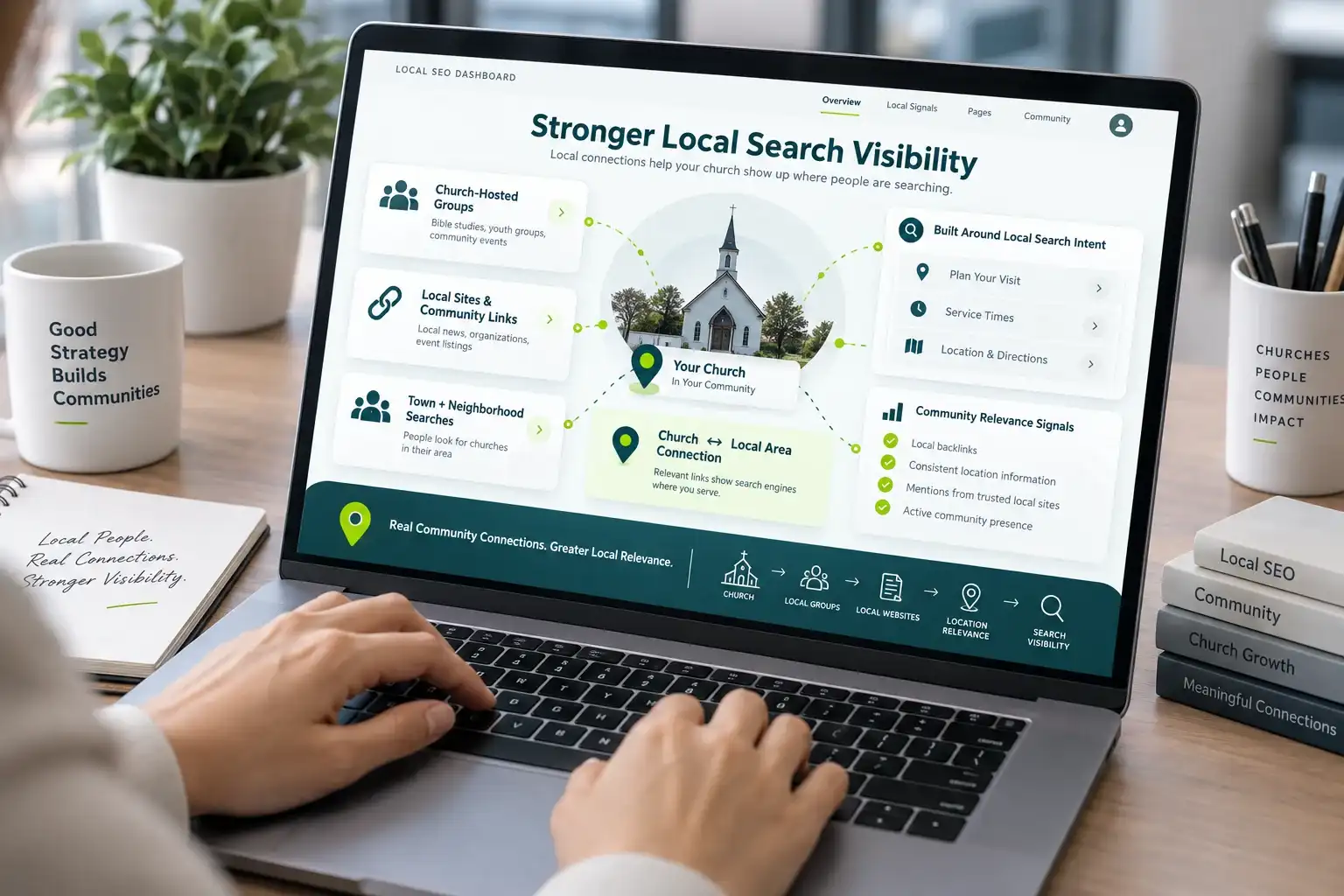
People looking for a church search with a place in mind, such as their town or neighborhood.
Links from the groups in your building and from local sites can provide context about your church. Search engines can read that connection.
The result: Your plan-your-visit and service-times pages compete on the searches people run before a first visit.
Links That Match What Your Building Does
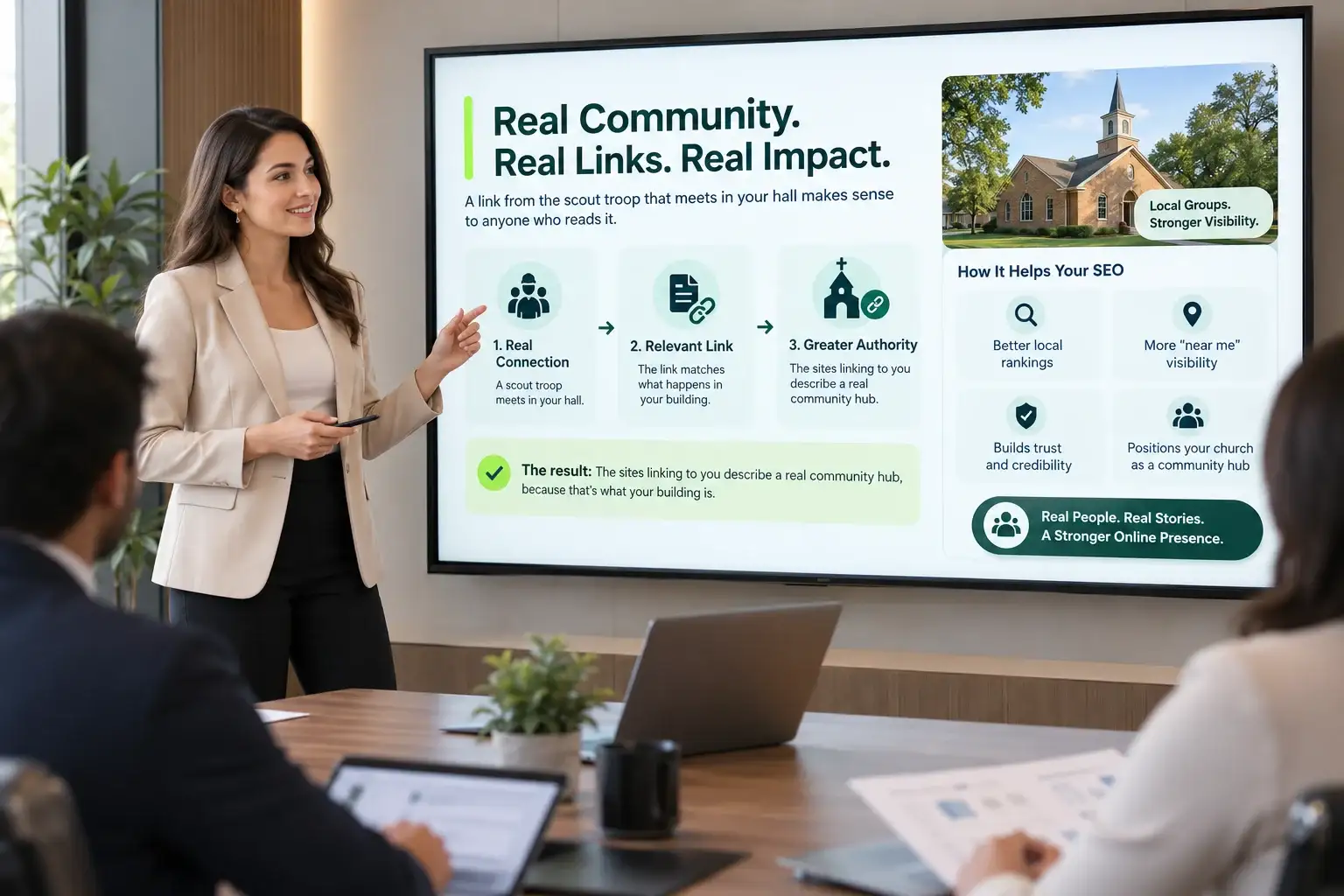
A link from the scout troop that meets in your hall makes sense to anyone who reads it.
It matches what happens in your building, which is the kind of link that carries weight with search engines.
The result: The sites linking to you describe a real community hub, because that’s what your building is.
The Pages People Check Before They Visit
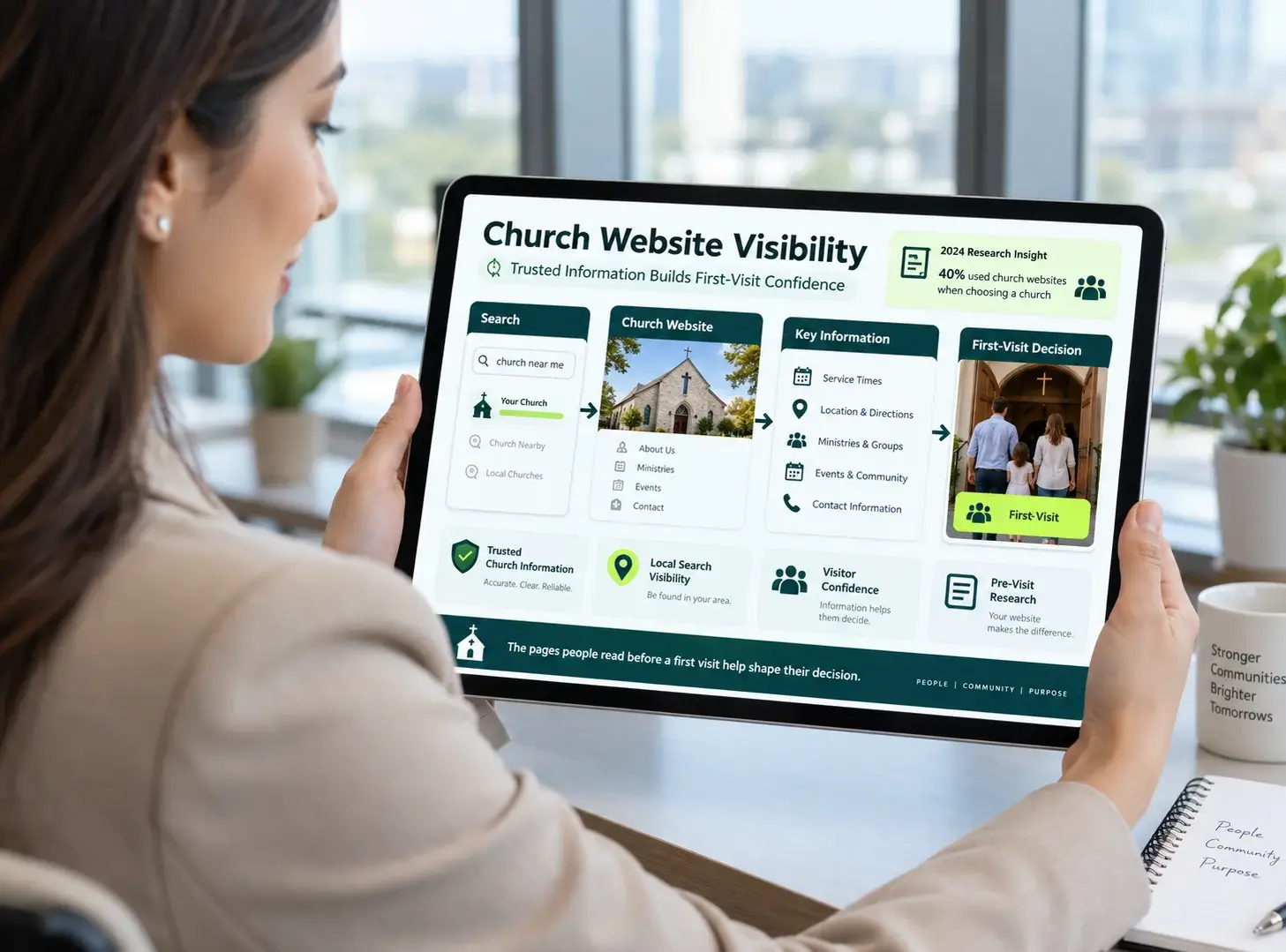
Your website doesn’t replace the visit. It helps someone decide to make the first one.
Lifeway Research’s 2024 study of Protestant churchgoers who switched churches found that 40% of those who had moved used church websites to choose.
The result: The pages people read before a first visit carry the authority this work builds.
Every Link Named, Every Page Tracked
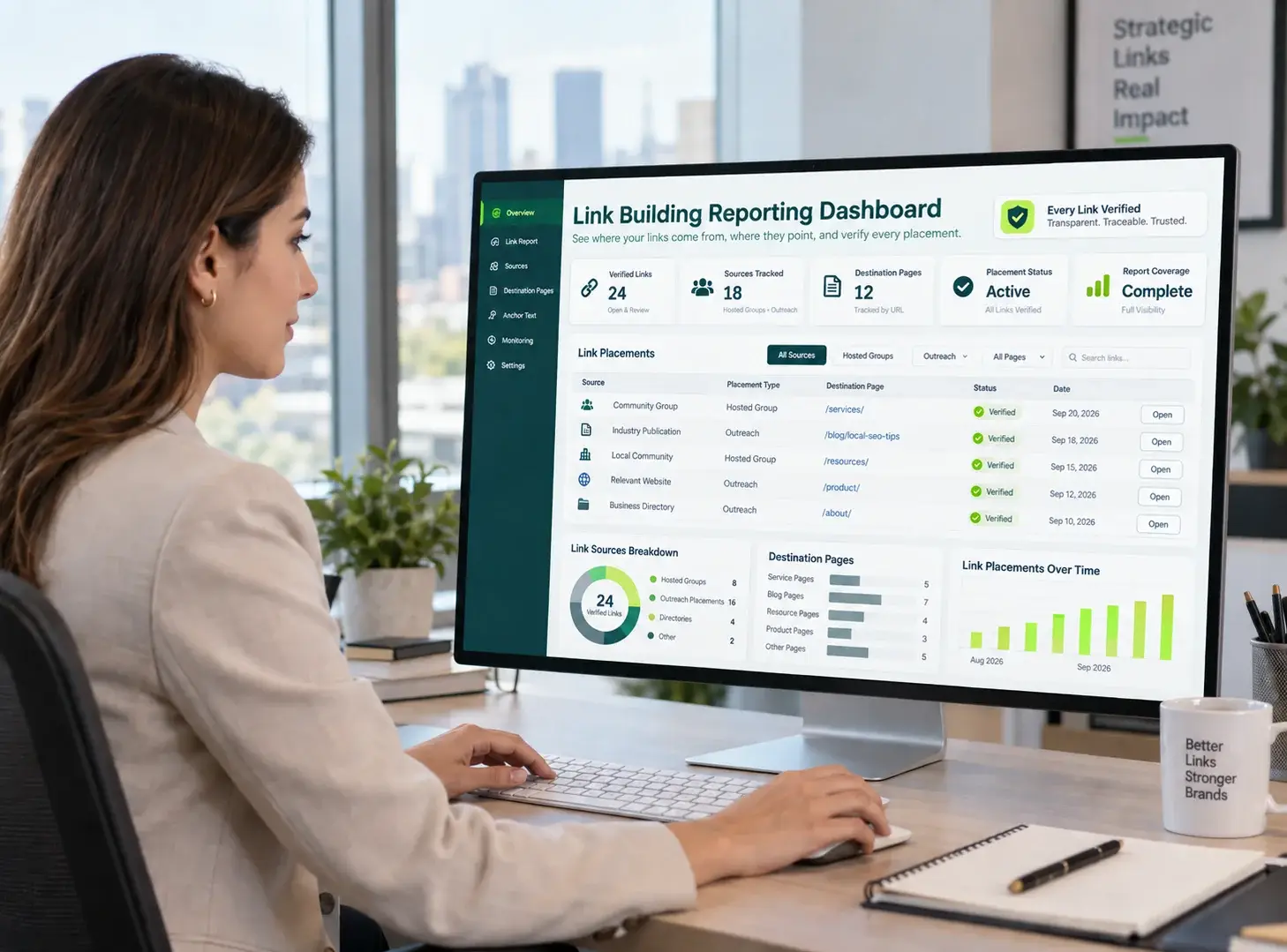
Every link in your report is one you can open yourself.
You see which links came from groups you host, which came from outreach placements, and which page each one points to.
The result: You know what’s working before you decide where to put next month’s effort.
Client Success Stories
What Clients Say About Our Church Link Building Service
Reviews from churches whose entire weekday lives now show up in search results.

4.8/5 

5/5 
Rating on Google


We already hosted Bible study groups, youth programs, family events, and community gatherings, but those activities weren’t reaching many people through search. The link building campaign helped us promote these programs through relevant local and community websites, increasing visibility for the pages that matter to our congregation.

Communications Director,
Local Church

Our church offers several groups and outreach programs, but our website wasn’t attracting enough local searches. The campaign focused on relevant community, nonprofit, and local publications where our events and programs were genuinely useful. We saw more referral traffic and more interest in upcoming groups and activities.
Church Staff Member,
Community Church

We didn’t need to create content just for the sake of earning backlinks. Our existing support groups, family programs, volunteer initiatives, and community events gave us useful topics to promote. The strategy helped us earn relevant mentions while making it easier for people in our area to discover what our church offers.
Community Engagement Director,
Church
Service Framework
Investment, Timeline, and Deliverables
You pay for individual outreach placements that editors or website owners choose to publish. We also track links from groups you host through your existing relationships and include them in your report.

Groups You Host
A building that hosts several community groups starts with more natural link sources than one that sits empty midweek.

Local Competition
The number of placements your campaign needs depends partly on how competitive your local search market is.

Campuses
Multi-site churches need more authority for each campus page, because each one answers searches in its own area.

Campaign Duration
Timing depends on the market, the sites targeted, and how quickly relevant opportunities become available.
Directional pricing
Once we understand your goals, such as promoting worship services, youth ministry, community outreach, or faith-based events, we’ll outline the campaign scope, expected deliverables, and pricing. We’ll also explain how the work can support your long-term search visibility.
What You Get
Every Group Request, Every Placement Reported
You see which groups linked, which placements landed, and which of your pages are building authority.

Live Placement Reporting
You receive every placement as a link you can open yourself, with the publishing site named.

Group Request Tracking
Your report lists each approved group, its request, and its current link status.

Page-Level Results
You see which of your pages each link supports, starting with your plan-your-visit and service-times pages.

Campus Reporting
We split results by campus for multi-site churches, because each campus page answers searches in its own area.
Our Approach
A Community-First Approach to Church Link Building
You get links from the life of your building, every request we report, and a price we publish before you call.
| Factor | GENERIC LINK BUILDING AGENCIES |
 |
|---|---|---|
| Where Links Come From | Agencies sell directories and profiles as the main work |
The groups your building hosts, plus local and faith placements |
| What Gets Linked | The homepage, by default | Plan-your-visit, service-times, and program pages |
| Content | Agencies write posts to fill a publishing calendar | Pages that tell groups and visitors what they need to know |
| Reporting | A monthly traffic summary | We name, open, and tie every link to the page it supports |
| Pricing | They quote pricing privately after a discovery call |
We provide clear pricing terms before the campaign begins |
Who WeHelp
Types of Churches We Support
Whatever your tradition or size, we help your church get found by the neighbors and groups it already serves.
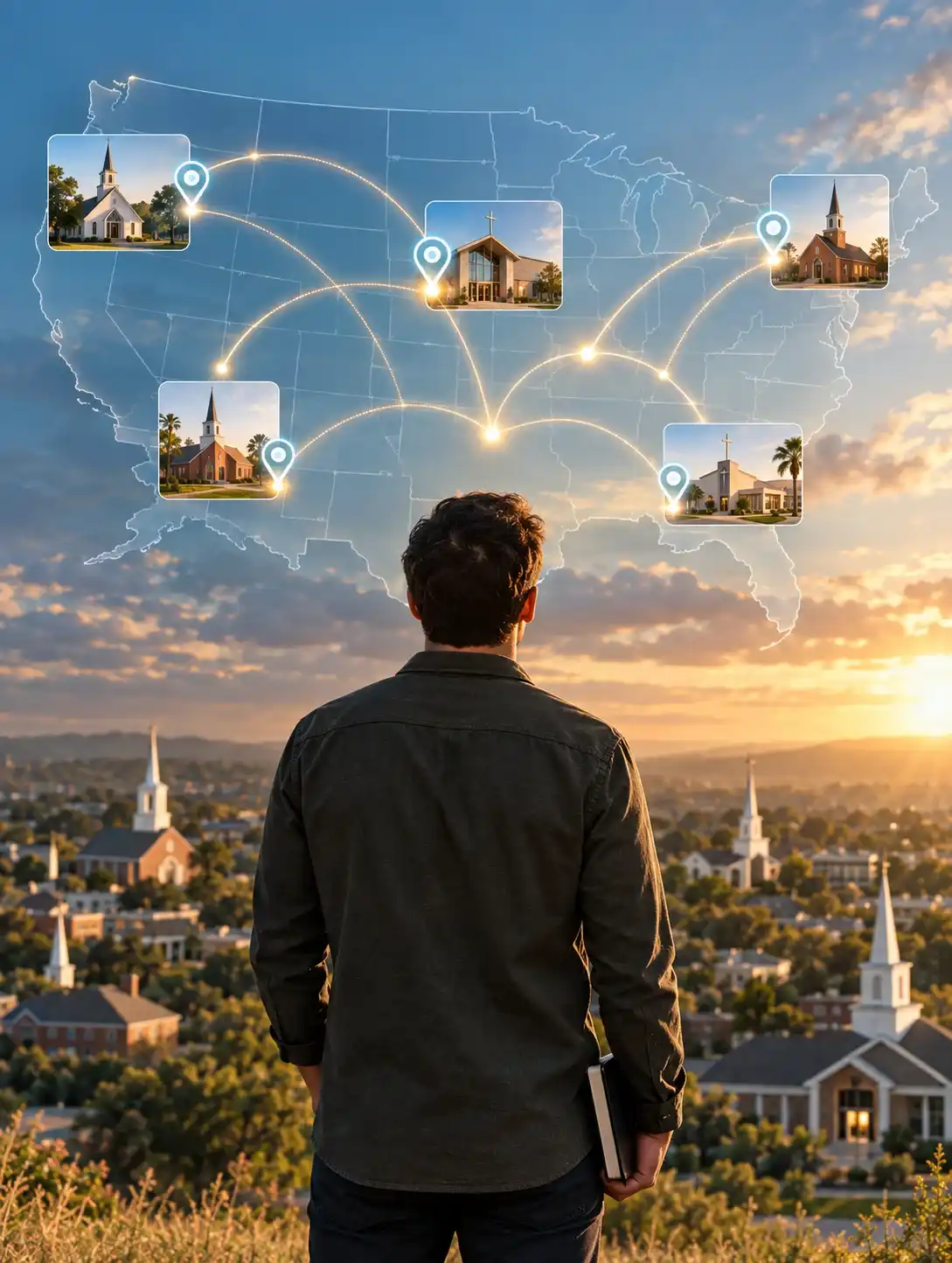
Multi-Site Churches
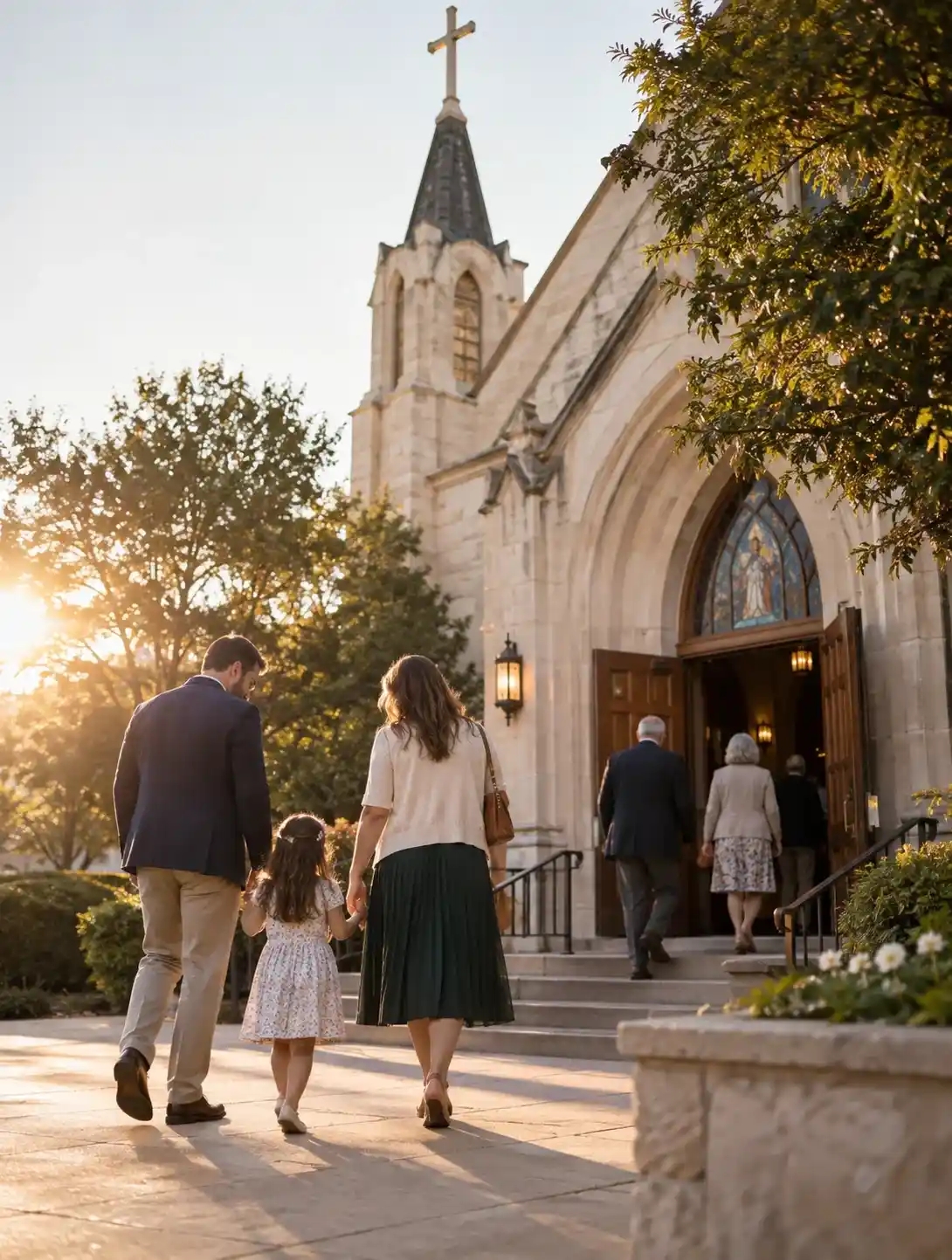
Catholic Parishes
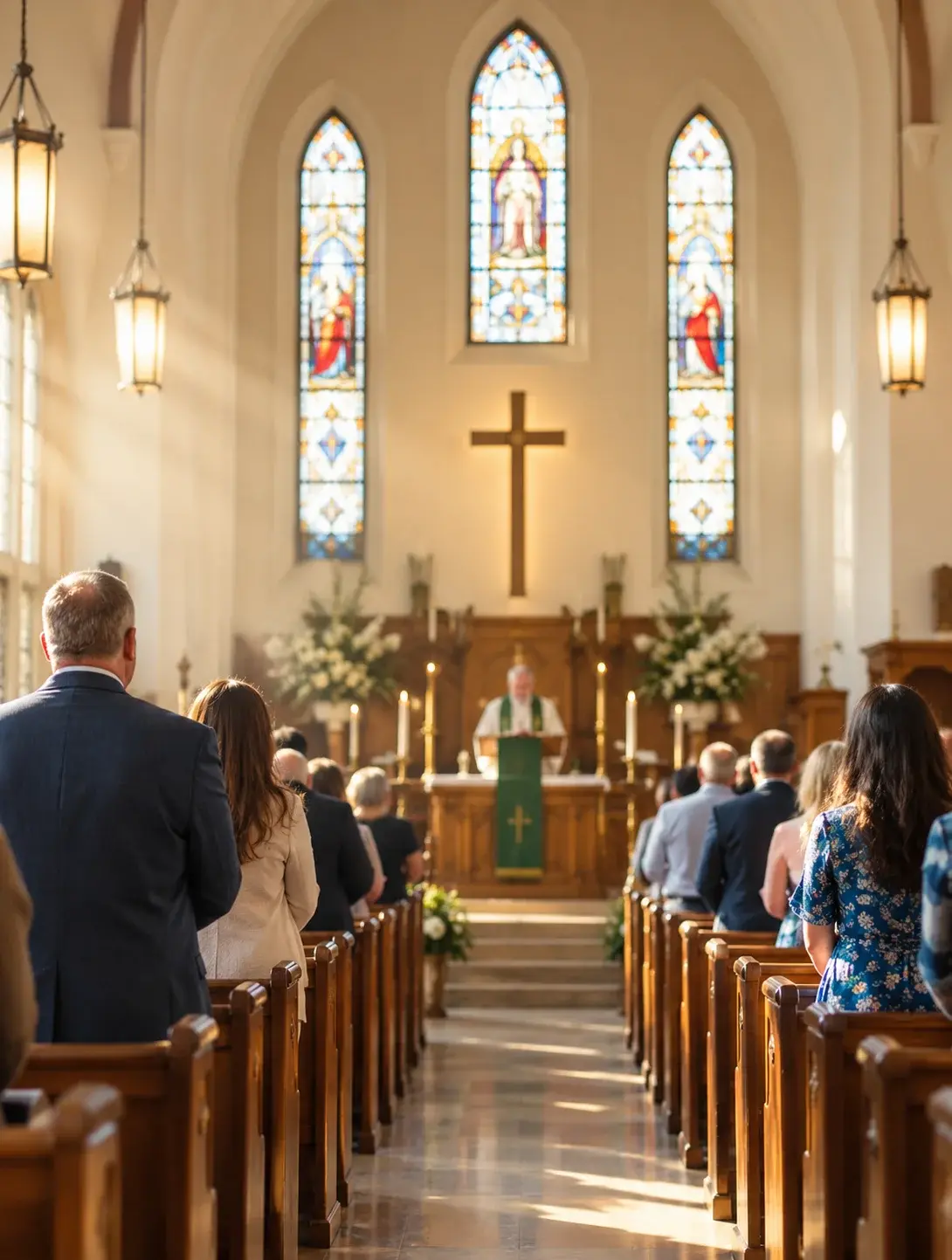
Mainline Congregations
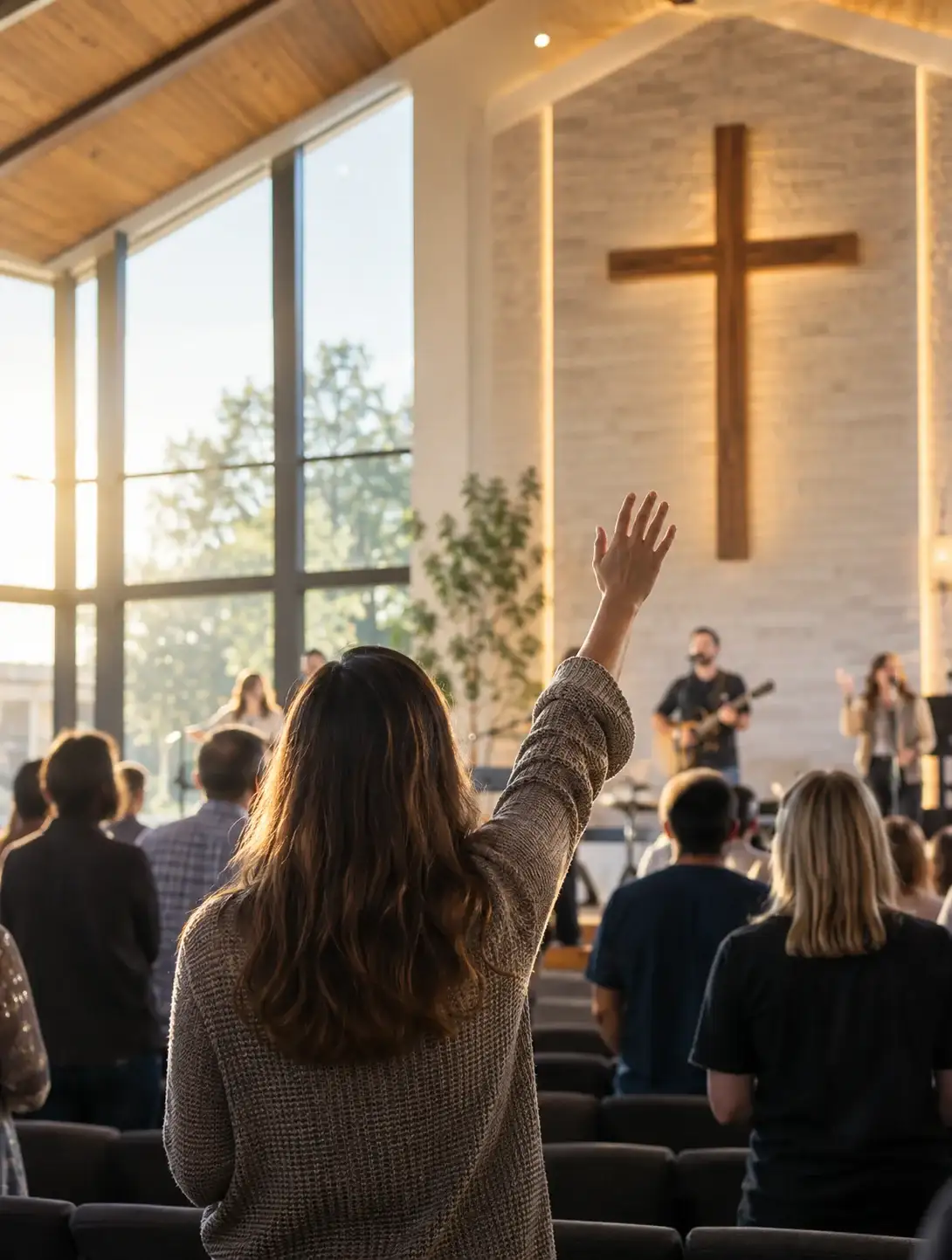
Non-Denominational Churches
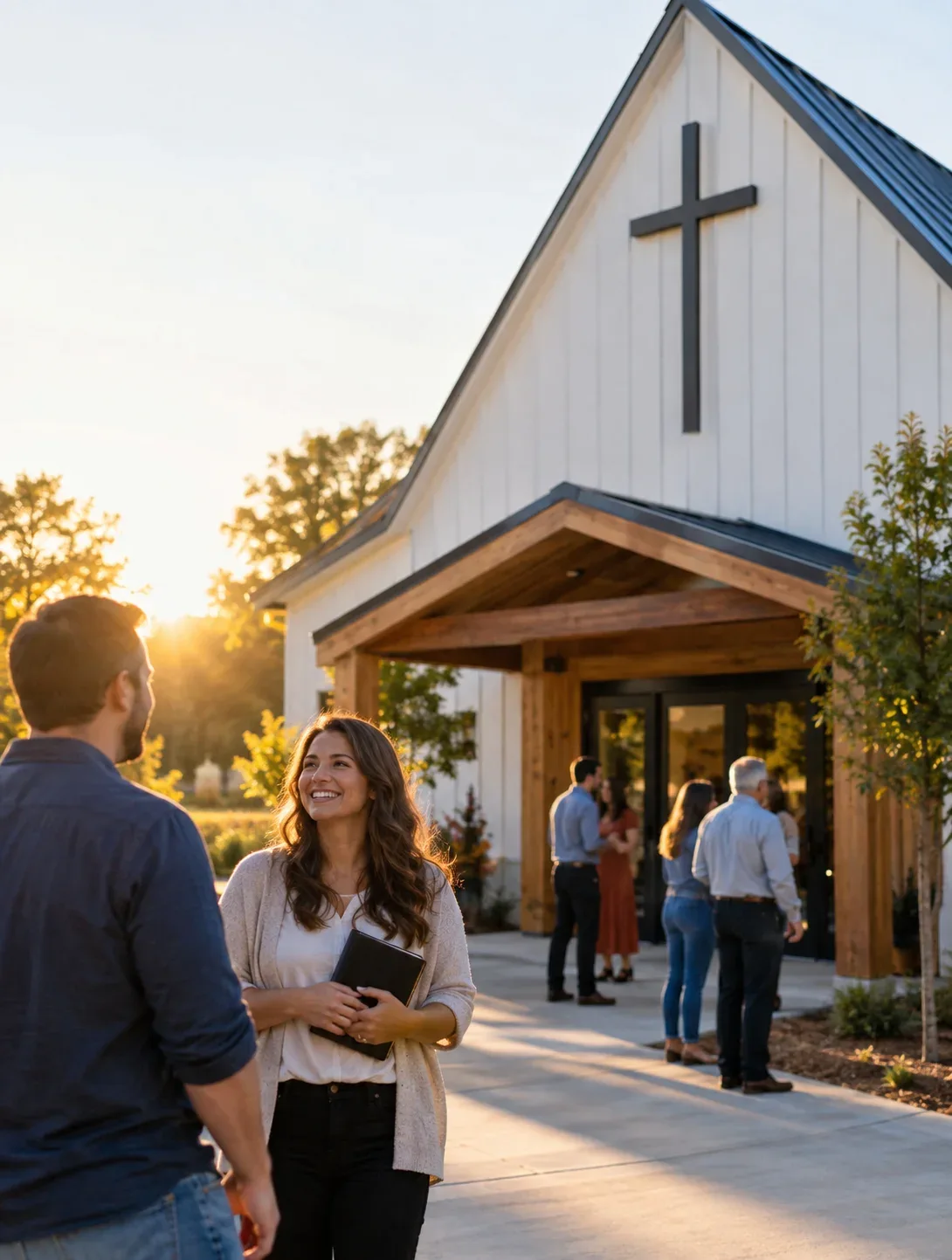
Church Plants
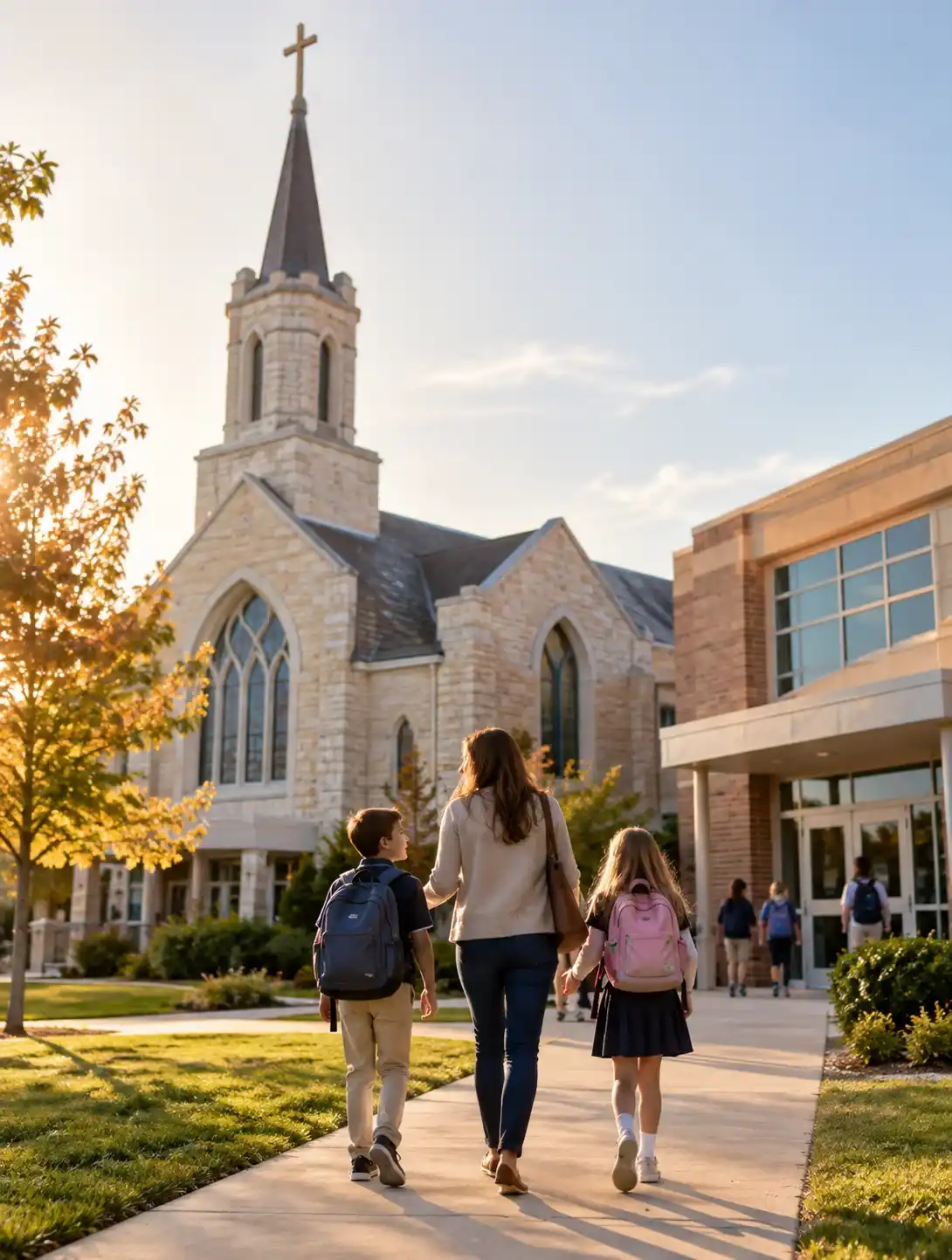
Churches With Schools or Community Centers
Common Questions
Frequently Asked Questions
Get clear answers on church link building, covering community-relevant placements, local visibility, reporting, and long-term growth.
They do, because the website shapes the first visit. In a 2024 Lifeway Research study of Protestant churchgoers who changed churches, 40% used their church’s website. The visit still decides where people stay.
For many people, the website decides whether they make that first visit. Links help it get found by people searching near you before they ever walk in.
A general agency runs the same playbook across every client, with little regard for what fits a nonprofit or faith-based organization specifically. Our dedicated link building agency runs link building as the only service, with a strategist, a vetting process, and anchor planning built around your organization, not squeezed between five other deliverables.
Groups with a formal tie to your church, like a Scout troop it charters, are the likeliest to link. Three Scout troop websites checked for this page all linked to their host church.
None of the four community choir sites linked to a church, even where they named one. So start with the groups your church charters or runs. Independent groups are a bonus if they link, and it’s fine if they don’t.
Events you host work much the same way, and our guide to earning links from events covers them.
No, each group decides what goes on its own site. So the service builds the page a group would point to, drafts the request, and reports what changes. You approve every request before it goes out, because the relationship is yours.
A group that says no is still worth hosting, and your report shows which groups to follow up with in person.
Support and recovery groups aren’t asked at all, because their members’ privacy comes first.
Not always, and it’s better to know that before you spend anything. If your building hosts few outside groups, fix your plan-your-visit page first. Give it service times, parking, what to expect, and who to ask.
Paid link building is a good fit for churches with many nearby congregations, churches with several campuses, and churches whose buildings host a busy week. A strategy call will tell you which side of that line you’re on.
They help a little, as one source among many. A denomination’s congregation finder and the local directories people use confirm your church’s name, address, and service times. Check each one for accuracy once a year.
A listing usually links to your homepage, not to the pages a campaign is building. So the effort goes into group pages and placements instead. Linking back and forth with sister churches is a separate question, and reciprocal links between websites have their own rules.
Your Google Maps listing is the entry point people see when they search for a nearby church.
Google builds your listing from your address, hours, and reviews. Link building is a separate task: it involves earning links from other websites to pages on your own site.
Both help people find you, and a church should have its listing sorted before paying for links. Local link building basics explain how the two fit together.
The cost depends on the number and quality of links needed, your local market, the types of sites targeted, and your campaign goals.
Churches expanding across multiple locations or promoting several programs may need a broader link-building effort than those focused on one community.
To explore our services and find the right fit, visit our pricing page.
Ready to Turn Your Building’s Weekday Life Into Links?
Get a senior strategist to map the groups your building hosts, the pages worth building, and the price of the work.
4.8/5
Trusted by agencies
and brands worldwide.