Link Building Service for Insulation Companies Built for Measurable Growth
Link building service for insulation companies that checks claims against the federal rule first, then earns links that help you rank higher and bring in more quote requests.

Check required wording before pitching claims.
Place links in trade press, local outlets, and builder sites.
Report links and listings separately.

4.8/5
Trusted by agencies
and brands worldwide.
Average DR of Linking Sites
52
Campaign Dashboard
DOMAIN RATING
+6 points
QUOTE REQUESTS
insulation estimate inquiries
City + Insulation Terms on Page 1
+4 terms
BUSINESS LISTINGS
relevant directories and association listings

Backlinks Built
10 → 20





Service Overview
Protect Your Agency From Misleading Ad Claims
The Federal Trade Commission’s insulation advertising rule covers manufacturers, installers, retailers, new home sellers, and the advertisers and agencies that write the copy.
That includes a bylined article in a trade magazine and a guest post on a builder’s blog.
Cite an R-value (the rating of resistance to heat flow) and you must state the insulation type and thickness that achieve it, plus the rule’s statement that higher R-values mean greater insulating power. Claim lower fuel bills and you need a reasonable basis for the number, plus a statement that savings vary. The rule also bars ads that imply tax benefits that don’t exist.
Four source types can provide backlinks: trade associations, building and energy press, local community sources, and partner builders, suppliers, and auditors.
A backlink is one website vouching for another by linking to it. A citation only lists a business’s details without sending readers to its site.
On the contractor locator page we checked, the listings carried names, addresses, and phone numbers with no link to the contractor’s site, so they offer citations instead of backlinks. Backlinks vouch; citations merely list.
Three things define good insulation link building:

Claims Checked Before Anything Is Pitched
Before any pitch goes out, we check each angle against the federal rule, so you know which claims no pitch carries a claim you can’t support.

Sources Named In Advance
The publications, builders, suppliers, and local organizations for your markets, listed before the first email goes out.

Listings Reported Apart From Links
We record anything that proves standing without pointing at your site as standing rather than as a placement.
How We Work
How Your Insulation Link Building Campaign Works
Six steps run from audit to placement. We pitch nothing until step two ends, and we report every result.
Your campaign starts with two lists.
The first list covers what you can say. Your strategist reads the angles worth pitching against the rules that govern performance and fuel-bill claims, so no pitch carries a claim you cannot support.
The second list covers what you already have: association memberships, installer certifications, builder relationships, supplier accounts, and any local body you joined and forgot about .
If you have bought links before, your strategist also reviews what already points at your site.
Next, your strategist decides which of your pages need authority, meaning the strength a page draws from the sites that point at it.
For most insulation companies, those pages are the service pages and city pages, rather than the homepage.
An attic retrofit page and a new construction page answer different searches and need different sources.
Some pages worth linking to do not exist yet, and the work often starts there.
You qualify for the best listings; you do not buy them.
Your strategist checks which bodies you already belong to, which certifications your installers hold, and what each organization publishes about its members.
A listing without a link to your site stays in the standing column. It shows that you qualify, but it doesn’t count as a placement or add to your link total.
Open directories that accept anyone with a credit card get a separate line in the report. Some can still help establish a baseline. They rarely give you an advantage because competitors can secure the same listing.
Trade and energy publications need a useful story before they feature your company.
A difficult attic job gives an editor something to cover. Your foam product alone gives them far less to work with.
Pitches to editors and site owners focus on actual insulation jobs. For distributors, builders, contractors, and energy auditors, we talk about the crews they already work with and the projects they send their way.
Every market you work in has its own sites willing to link.
Chambers of commerce, home builder associations, local press, community energy events, and sponsorships all count.
These links often land faster than trade press placements, so they usually produce the first movement you see.
If you run crews in more than one metro, we run this step separately in each. A sponsorship in one county does nothing for a crew ninety minutes away.
The report lists each placement and where it appeared.
It also includes the exact wording of any performance or savings claim tied to that placement.

Expected Results
Outcomes Insulation Link Building Service Delivers
When your certifications, builder relationships, and completed jobs become published work, authority builds on a site you own.
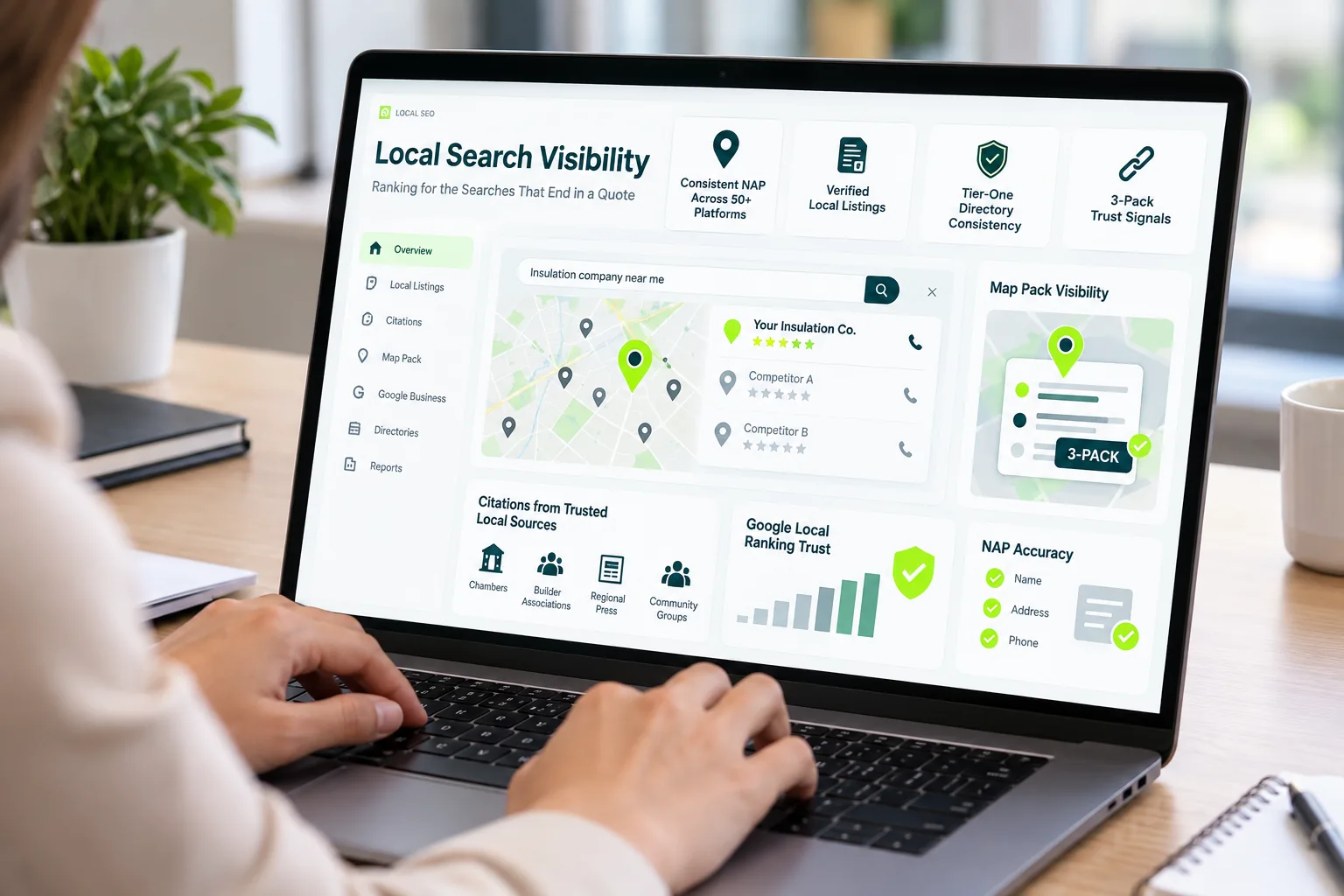
Ranking for the Searches That End in a Quote
Someone looking for insulation searches by city and by the job they have in mind, then calls two or three companies.
The number of real local sites that point at yours partly decides those searches. Chambers, builder associations, community groups, and regional press all contribute, and city terms frequently move first because they usually face less competition than broad terms.
The result: Your company competes on searches that end in a site visit instead of on broad terms that never filled a schedule.
Standing Someone Finds Before They Call
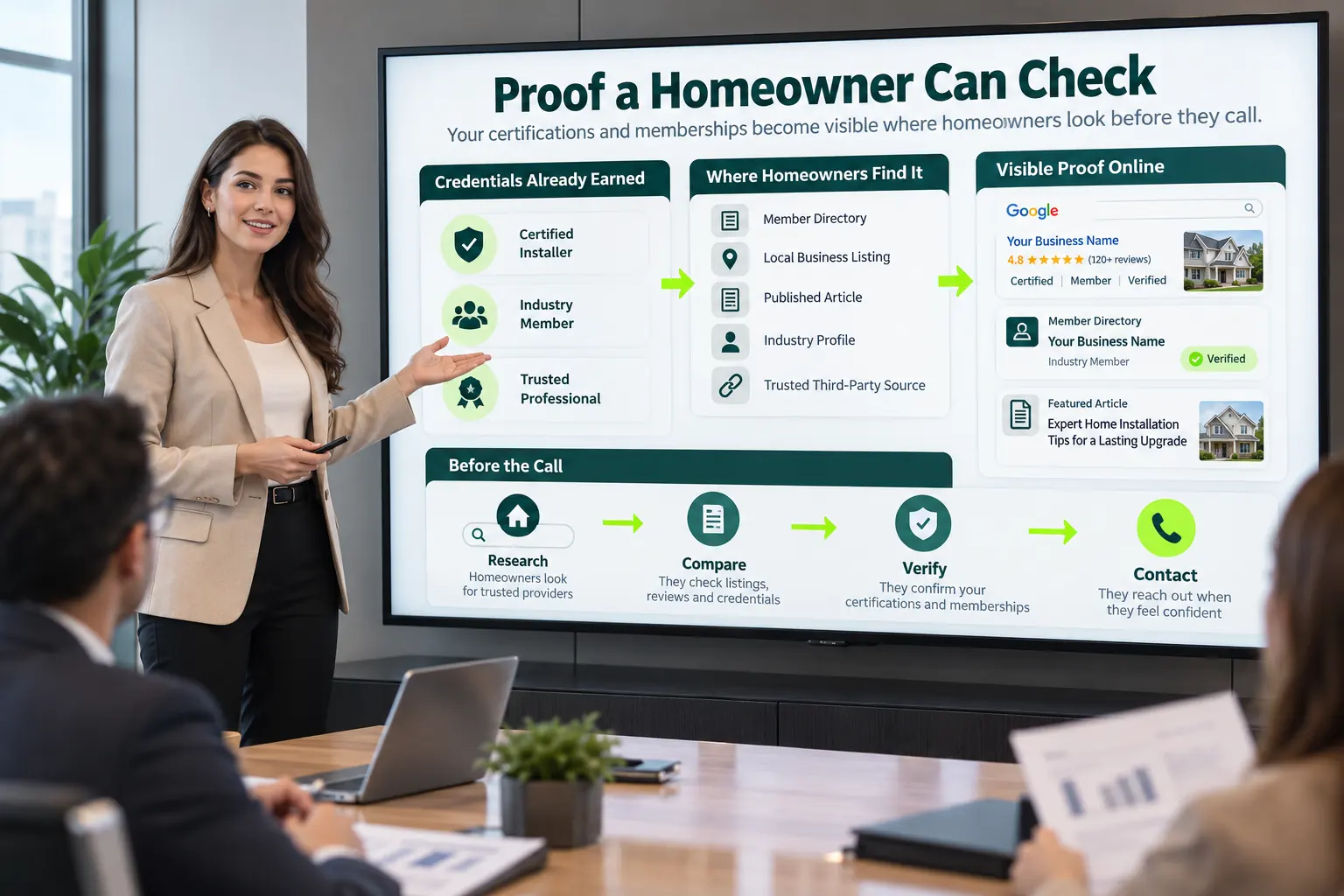
Your certifications and memberships already exist. Usually, no homeowner sees them while comparing quotes.
A member listing or a published piece puts that standing in front of someone at the moment they decide. A certificate on the office wall does not.
The result: The credentials your installers already earned work during the search, rather than only at the kitchen table.
Links From the People Who Already Use Your Crew
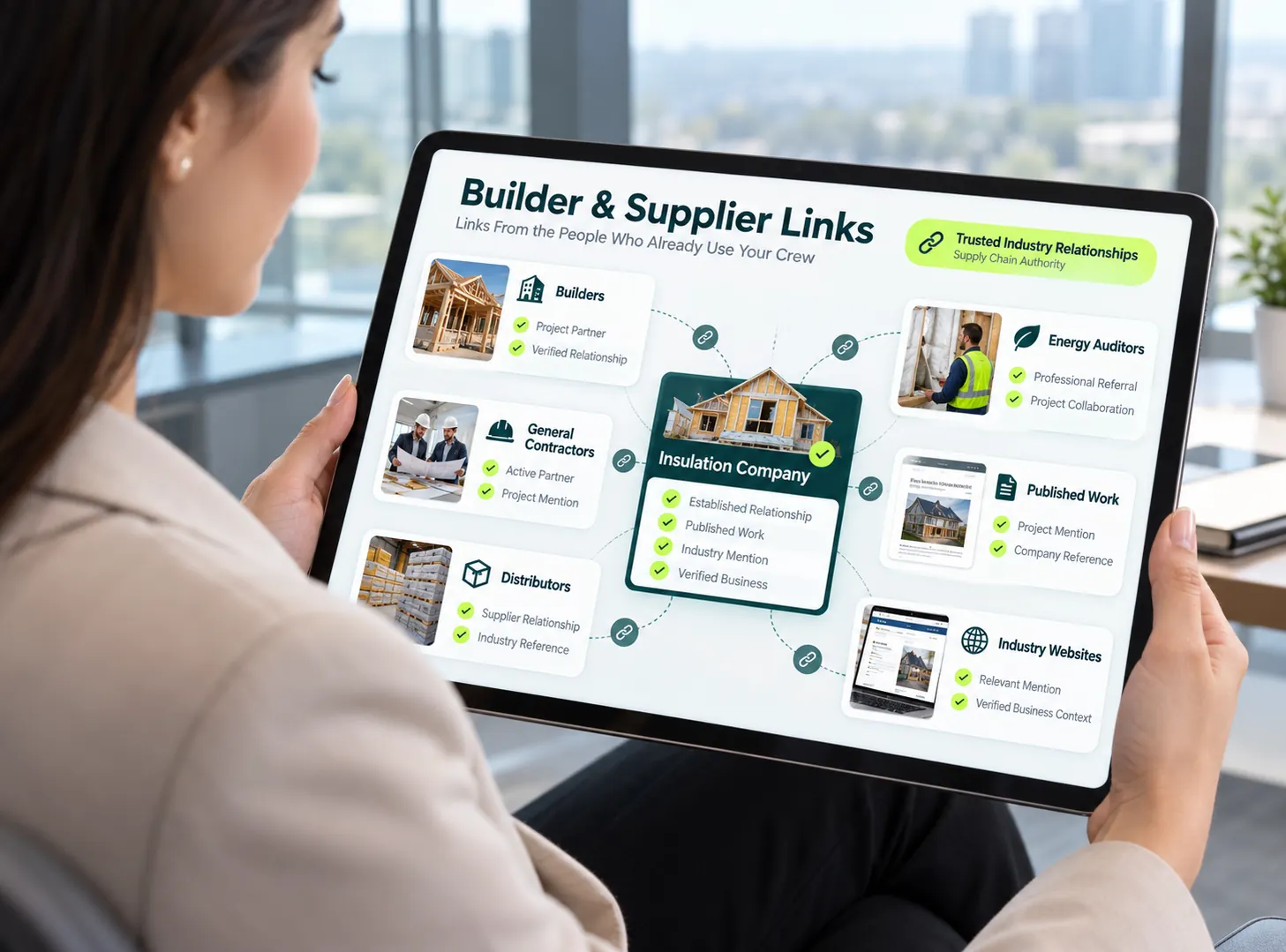
Builders, general contractors, distributors, and energy auditors already work with insulation crews they trust, and their sites already name companies like yours.
Once you have published work behind you, those mentions become easier to request. The relationship already exists, so you hold a conversation instead of a cold pitch.
The result: You gain a base of supply chain links that keeps working after the campaign ends, because you never rented it.
The Part No Lead Seller Can Reprice
A lead platform can raise its price, send the same homeowner to several companies, or route the work elsewhere next quarter.
Placements on publications, builder sites, and local organizations point at a domain you own. They keep working whether or not any single arrangement survives.
The result: The visibility you build stays yours, which is the difference between an asset and a subscription.

Client Success Stories
What Clients Say About Our Insulation Link Building Service
These reviews come from insulation and foam companies that turned certifications and builder relationships into search visibility.

4.8/5 

5/5 
Rating on Google


We struggled to get our insulation business noticed online, and this link building service completely turned things around. Within a few months, we saw our search rankings jump and quote requests from local homeowners climb steadily. The team understood our industry and secured links only from relevant, high-quality sites. I highly recommend them to any insulation contractor looking to grow.

Owner
Insulation Company

Professional, transparent, and effective. Their monthly reports showed us exactly where each new backlink came from, and our website traffic has grown consistently since we started. We now rank on the first page for key terms like spray foam and attic insulation in our area. This service earns every penny.
Marketing Manager
Insulation Solutions

I doubted SEO services, but this team delivered real results. They built authoritative links tailored to the insulation niche, and my phone rings more than ever. They communicated promptly and never used spammy tactics. I plan to continue work with them.
General Manager
Multi-Market Insulation and Foam Contractor
Service Framework
Investment, Timeline, and Deliverables
You pay per placements secured. Each is a link that a real editor or site owner agreed to publish, earned against your standing rather than rented by the month.

Markets and Crews
One metro needs a different scope than a company that runs crews in four metros across two states.

Work Mix
Retrofit, spray foam, new construction, and commercial envelope work each draw on different sources and different publications.

Existing Standing
Companies that already hold association membership or long builder relationships start further ahead.

Campaign Duration
Timing depends on the sites targeted, publisher response, competition, and the pages being supported. Rankings can also change at different rates, so we don’t promise a fixed timeline.
Directional pricing
Every placement sits on a site that draws atleast 1,000 monthly visitors from search. We also score each site on Domain Rating, a strength score from the Ahrefs tool, and we place links only on sites that meet a firm quality bar. After your strategy call, you get a detailed proposal scoped to your markets, y our work mix, and the standing you already hold.
What You Get
Every Placement, Every Source, Every Claim Checked
See which of the four source types produce, and what wording went with each. We split results by metro when your crews cover more than one.

Live Placement Reporting
Every placement arrives as a link you can open, with its source and its destination page.

Source Type Tracking
You see whether listings, trade press, local work, or supply chain outreach land, so we shift effort toward whatever produces results.

Listing and Link Split
We report separately anything that proves your standing without linking to your site, so no result counts twice, and your link totals stay accurate.

Claim Notes
We mark placements that carry a performance or savings claim with the wording that went with them, so you keep a record.
Our Approach
A Claims-First Approach to Insulation Authority
You get the claims map first. Then we build placements from sources that publish a link, and we report them by source and by claim.
| Factor | GENERIC TRADE SEO AGENCIES |
 |
|---|---|---|
| Claims | Write claims without asking which rules apply to a savings claim. |
We check claims first, because the rule binds the agency and you. |
| Source Selection | Promise "industry sites" without naming a single one. |
We name publications, builders, suppliers, and local sources before we start the work. |
| Listings | Count listings as links whether or not they point at your site. |
We report them separately, because a listing without a link is a citation. |
| Link Types | Sell bulk directories, profile links, and free blog pages as diversification. |
We never sell those as authority. Anyone with the same budget can get them by Friday. |
| Pricing | Quote privately after a discovery call. | We provide clear pricing terms before the campaign begins. |
Who We Help
Insulation Businesses We Support
Whatever you install, however many crews you run, we build the authority that matches how homeowners and builders choose contractors.
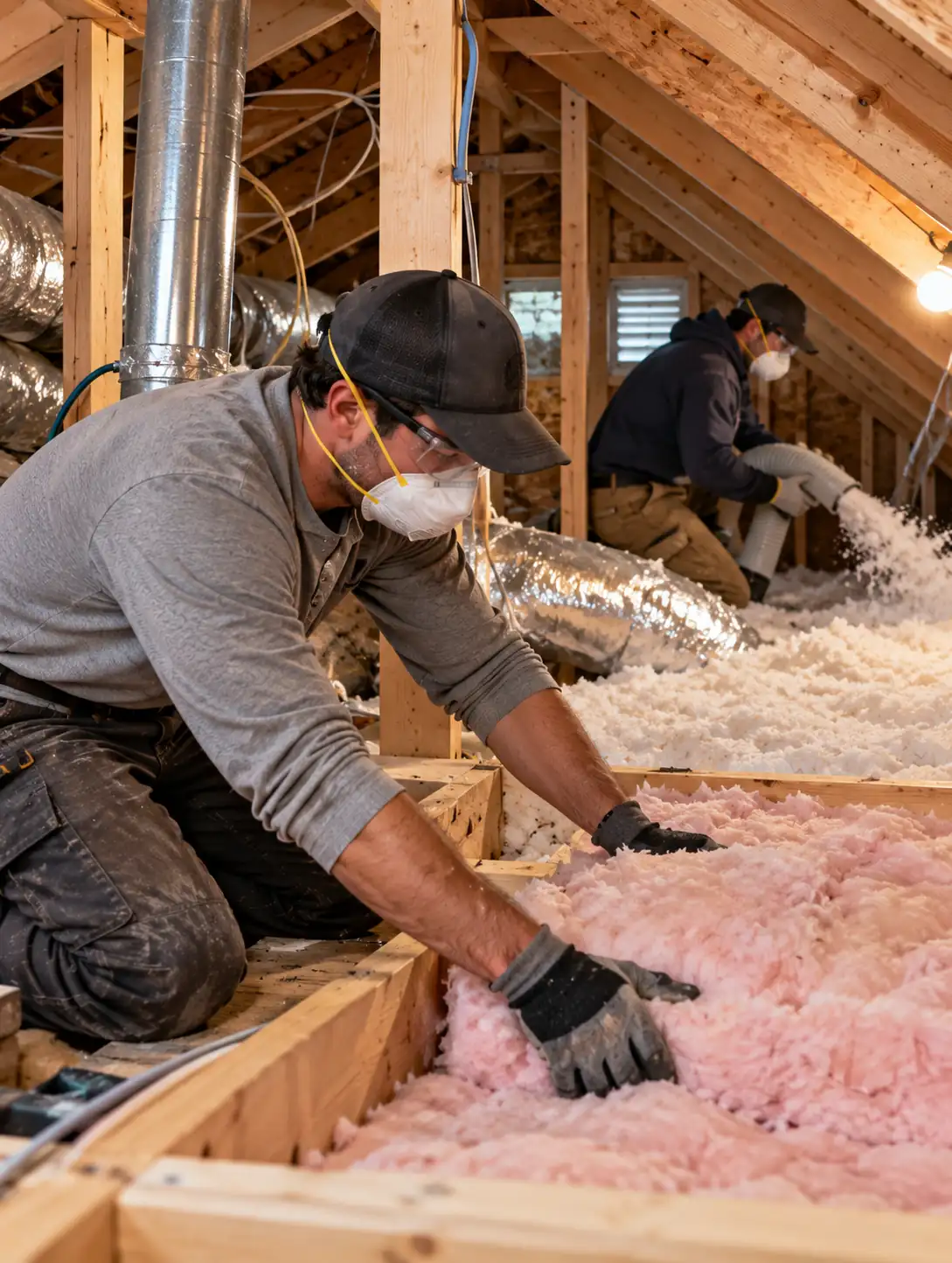
Residential Retrofit and Attic Insulation Contractors
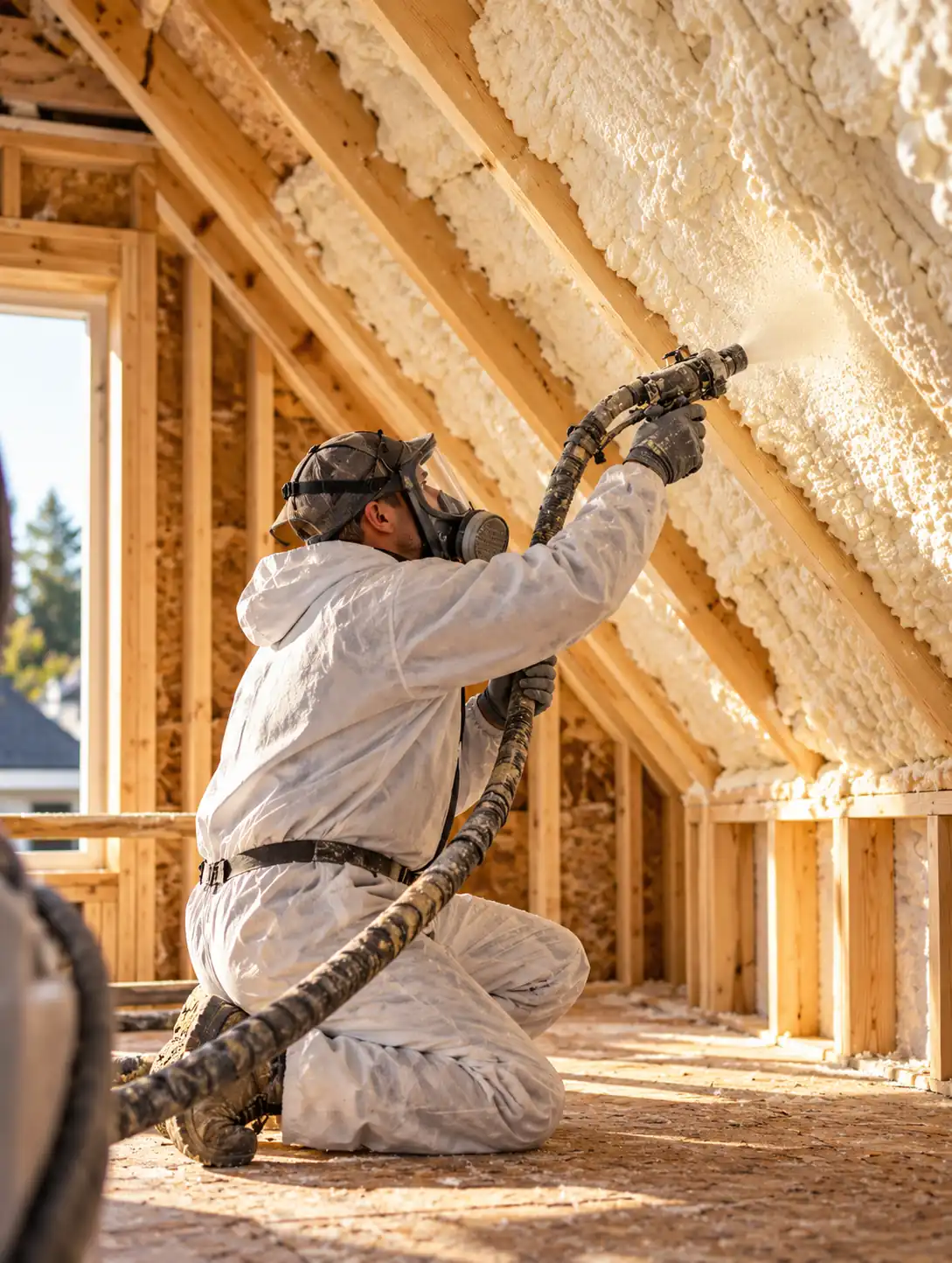
Spray Foam Insulation Contractors

New Construction Insulation Installers

Commercial Building Envelope Contractors
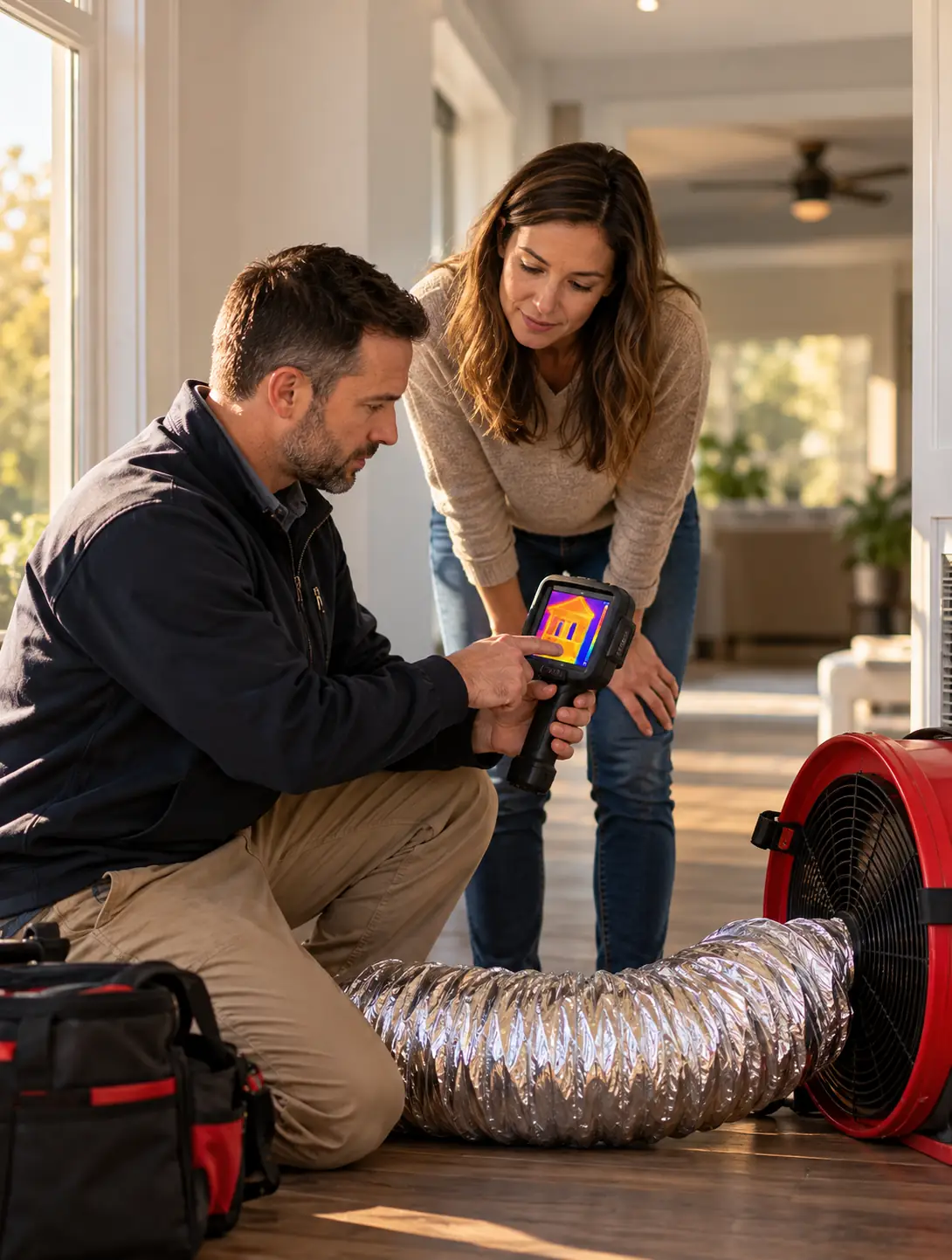
Home Performance and Energy Audit Companies

Multi-Crew and Multi-Market Operations.
Common Questions
Frequently Asked Questions
Insulation companies ask these questions before booking a strategy call. Each answer explains what we do and what your report shows.
Links can occasionally be removed when a site updates its content or changes ownership, which is a normal part of link building for any business. Links built under your plan are monitored, and any that disappear are replaced as part of the managed link building service, so the effort you paid for doesn’t quietly erode. Your strategist can confirm how this works for your plan.
No, and the listing is worth less than most contractors expect. You hold the membership; we can’t arrange it.
In the Insulation Contractors Association of America’s contractor locator, the records we checked as of September 2026 showed a company name, an address, and a phone number, with no link back to the contractor’s own site.
The only outbound links on that page pointed to advertisers. The listing still proves you qualify, so it’s worth having. It isn’t a backlink, and your report shows it as standing, rather than as a placement.
Four source types guide the outreach.
Building and energy publications often cover the people doing the work. Builders, distributors, general contractors, and energy auditors can also mention the crews they work with. Local business and community groups give you another source for each market. Associations and certification bodies can provide member listings.
The report shows whether each listing includes a link. You get the specific list for your company before any outreach starts. Open directories sit outside these four types, and you can learn how directory link building works before you decide whether any deserve a listing.
You can include a savings figure when you have evidence to support it, and the required wording accompanies the claim.
A specific project gives editors more to work with. You might cover the airtightness results, the insulation installed, or what the crew found during the job.
Each trade has different sources and a different argument. Link building for HVAC companies centers on seasonal and emergency demand.
Solar link building often starts with certification and incentive programs that give companies useful pages to reference.
Those programs also affect how you present your company in outreach. If you offer both insulation and HVAC, your strategist will say which fits.
It changes neither the rule nor the source types. It changes the press. Spray foam has its own publications, contractor certifications, and homeowner questions, so we pitch different desks than we would for a batt retrofit company.
Foam marketing also raises product performance claims more often, so more of what you’d want to pitch goes through the claims check in Step 1.
Yes. The words used for a link can give Google context about the linked page. If every site uses the exact phrase “best insulation contractor in Denver,” the pattern can look unnatural.
Editorial links usually use different wording because each publisher writes the link in their own way. Your report includes the anchor text used for every placement. You can also check our anchor text guide for examples.
The cost depends on the placements you choose. We provide clear pricing terms before the campaign begins. Trade publications usually require more outreach than local sponsorships, which can affect the total.
During your strategy call, you’ll get the available sources and the price for each placement. You can also check our per-placement rates.
Ready to See Which Claims You Can Put in Print?
Get a senior strategist to map which publications, builders, and local sources your company can actually reach, and what the work costs.
4.8/5
Trusted by agencies
and brands worldwide.