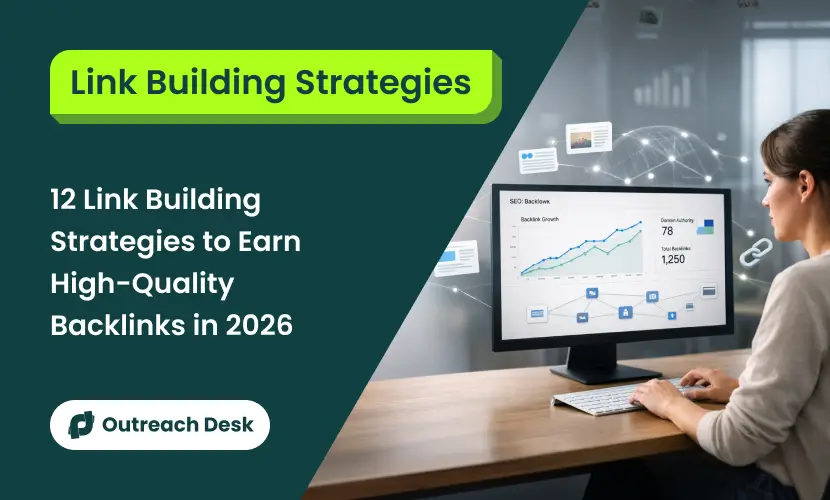
Most websites trying to earn backlinks burn months on tactics that don’t move rankings.
The strategies that actually work have shifted since 2024.
In 2026, Google’s helpful content systems and the AI search engines citing your brand both reward the same thing: links from sites that genuinely cover your topic, not links scraped from directories or stuffed into bulk guest posts.
This article maps out the 12 link building strategies that still work in 2026, plus a 3-question decision filter so you can pick the 2 or 3 that fit your actual situation. Whether you can spend 1 hour a week or 20, whether you have content worth linking to or need to build it first, there’s a path that won’t get your site de-indexed.
Key Takeaways
- Quality of referring domains matters more than raw backlink count.
- The right strategy depends on your time, your content, and your timeline.
- 3 quick-win tactics work in under 5 hours per week. Start there.
- Buying bulk links, private blog network placements, and over-optimized anchors get pages de-indexed in 2026.
- A realistic timeline for measurable results is 90 days, not 30.
- One contextual link from a trusted site beats 50 directory submissions.
What Link Building Actually Does in 2026
Link building still earns rankings, but the bar is higher than it was two years ago.
A backlink is one website vouching for another. When a relevant, trusted site links to you, search engines treat that as a signal your page is worth showing.
What changed: Google has gotten much better at ignoring low-quality links and punishing patterns that look manipulative. AI search engines have entered the picture too, and they care about the same trust signals.
Why Links Still Matter for Google Rankings
Links remain one of Google’s strongest ranking signals.
As per Google’s helpful content guidance, the algorithms prioritize content “created to benefit people, and not content that’s created to manipulate search engine rankings.” Links earned because your content is genuinely useful pass that test. Links bought in bulk to game the algorithm don’t.
The mechanics are simple. Google crawls a high-quality page, sees a link to your page, follows it, and treats the destination as endorsed. The endorsement scales with the linking site’s own trust and topical relevance.
Why Links Now Matter for AI Search Citations
ChatGPT, Perplexity, Google’s AI Overviews, and Bing Copilot all evaluate authority partly through who else cites your content. For the full playbook on earning those citations, see our guide to generative engine optimization.
When an AI system answers a question, it pulls from sources it trusts. The pages it trusts are the ones other trusted pages link to.
The pattern looks a lot like classic link building, with one twist: AI engines weight topical authority more heavily than raw domain authority. A small niche site linking to you from a relevant article often does more for AI visibility than a generic mention on a massive news site.
If you want your brand to show up when someone asks an AI assistant about your category, the strategies below are how you get there.
What Changed in 2025 and 2026
Google rolled out updates in 2025 and 2026 that hit two specific patterns hard.
The first is what Google’s spam policies page defines as link spam: “the practice of creating links to or from a site primarily for the purpose of manipulating search rankings.” Buying links in bulk, exchanging links at scale, and stuffing keyword-rich anchors into low-quality widget placements all fall into this bucket.
The second is scaled content abuse. Pages that look templated, that recycle competitor content, or that exist mainly to host bulk outbound links get demoted or removed from the index. If you’ve ever seen a tool page or vertical landing page lose 90% of its impressions overnight, this is usually what caused it.
The rest of this article shows you what to do instead.
How to Pick the Right Strategies for Your Situation
Most beginners try too many tactics at once.
The result is 12 half-finished campaigns and zero links. The fix is to pick 2 strategies, commit to them for 90 days, and only add a third once the first two are running on their own.
Use this 3-question filter to decide which 2 to start with. If you would rather have an expert make the call, a link building consultant can audit your profile and pick the strategies for you.
Question 1: How Many Hours Per Week Can You Commit?
Time is the single biggest constraint, and it should dictate your strategy choice before anything else.
If you have 1 to 5 hours per week, focus on reclaiming unlinked brand mentions and resource page outreach. Both run on small, repeatable cycles.
If you have 5 to 15 hours, add guest posting and broken link building. These need more research and outreach time, but they pay off in higher quality links.
If you have 15+ hours per week, you can run digital PR and full linkable asset campaigns. These are the highest-output tactics, but they need real bandwidth.
Question 2: Do You Have Content Worth Linking To?
You can’t earn links to nothing.
For brand placements in best-of lists and comparison roundups, listicle link building targets the formats that appear at the top of high-intent product searches.
If your site has fewer than 10 useful pages, build the asset first. A guide, a tool, a calculator, an original data report, or a deep how-to that doesn’t exist elsewhere. That asset becomes the destination every outreach email points at.
If you already have 10+ pages of strong content, you can start outreach today. Pick the 2 or 3 pages with the most potential and build links to those.
Question 3: What’s Your Timeline?
A realistic link building timeline runs in 90-day cycles.
For 60-day timelines, stick to quick wins: unlinked mentions, resource pages, and any easy reclamations of lost links.
For 90-day timelines, add guest posting and broken link building. You’ll see your first placements around week 4 and momentum by week 8.
For 6-month timelines, layer in digital PR and pillar content. These take longer to land but compound over time.
The Strategy Selection Table
Use this table to map your situation to a starting point.
| Strategy | Difficulty | Time Investment | Best For | Realistic Success Rate |
|---|---|---|---|---|
| Build Linkable Assets | ⭐⭐⭐⭐ | 8-20 hours per piece | Passive editorial links | 10-20% |
| Reclaim Unlinked Mentions | ⭐⭐ | 15-30 minutes per week | Quick wins | 40-60% |
| Resource Page Outreach | ⭐⭐⭐ | 3-5 hours per week | Evergreen links | 10-20% |
| Guest Posting | ⭐⭐⭐ | 30-60 min per pitch + 4-6 hours per article | Authority building | 15-25% |
| Broken Link Building | ⭐⭐⭐⭐ | 3-4 hours per week | High-quality links | 8-15% |
| HARO and Expert Quotes | ⭐⭐ | 30-60 minutes per day | News site links | 5-10% |
| Digital PR | ⭐⭐⭐⭐⭐ | 40-80 hours research + 10-15 hours outreach | Major publications | 2-5% |
| Competitor Backlink Analysis | ⭐⭐⭐ | 4-6 hours initial + 2-3 hours per week | Targeted outreach | 12-18% |
| Niche Edits | ⭐⭐⭐⭐ | 3-4 hours per week | Contextual links | 8-12% |
| Partnerships and Relationships | ⭐⭐⭐ | 2-4 hours per week | Long-term authority | 40-80% |
| Reclaim Lost Backlinks | ⭐⭐ | 2-3 hours per month | Recover authority | 35-45% |
| Get Featured in Newsletters | ⭐⭐⭐ | 5-10 hours per pitch cycle | Niche reach + links | 10-20% |
Success rates vary based on your niche, content quality, outreach personalization, and existing site authority. Use the table as a planning baseline, not a guarantee.
12 Link Building Strategies That Work in 2026
Each strategy below earns links when done correctly. Read the difficulty and time investment first, then pick 2 that fit your filter answers.
1. Build Linkable Assets First
A linkable asset is a piece of content so genuinely useful that other websites want to reference it.
These are the foundation of every outreach campaign. You can’t ask a journalist to link to a thin blog post. You can ask them to link to a 2026 industry data report, a free calculator, or a comprehensive guide that solves a real problem.
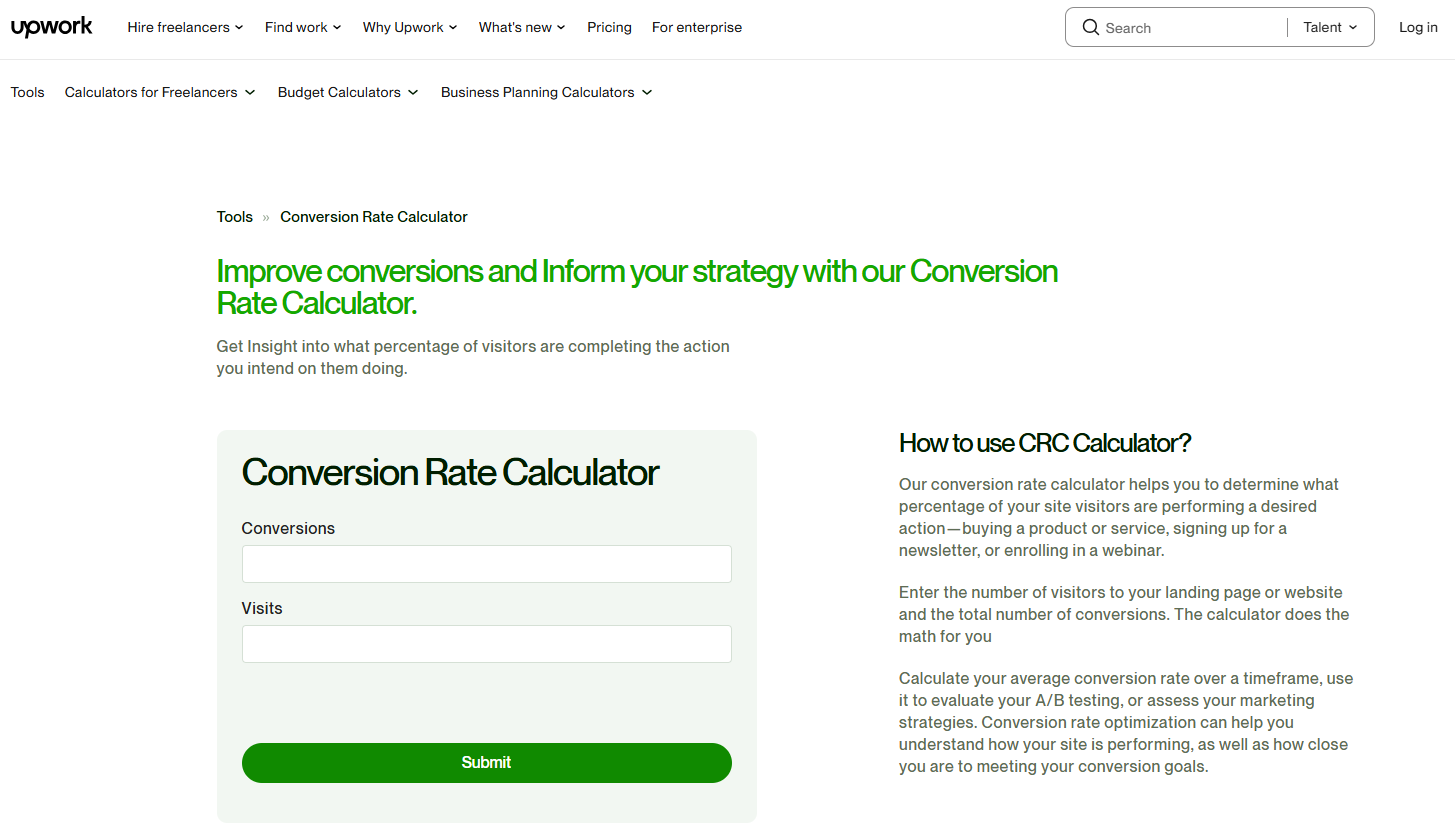
Strong asset types include original research, free tools, in-depth tutorials with screenshots and step-by-step walkthroughs, embeddable infographics, and curated templates.
The mistake most teams make is creating content that’s slightly better than what already ranks. To earn links, your asset needs to be significantly better, or to take a different angle the current search results don’t yet cover.
2. Guest Posting (The Editorial Version)
Guest posting works when you target sites with real editorial standards, real audiences, and topical relevance to your niche.
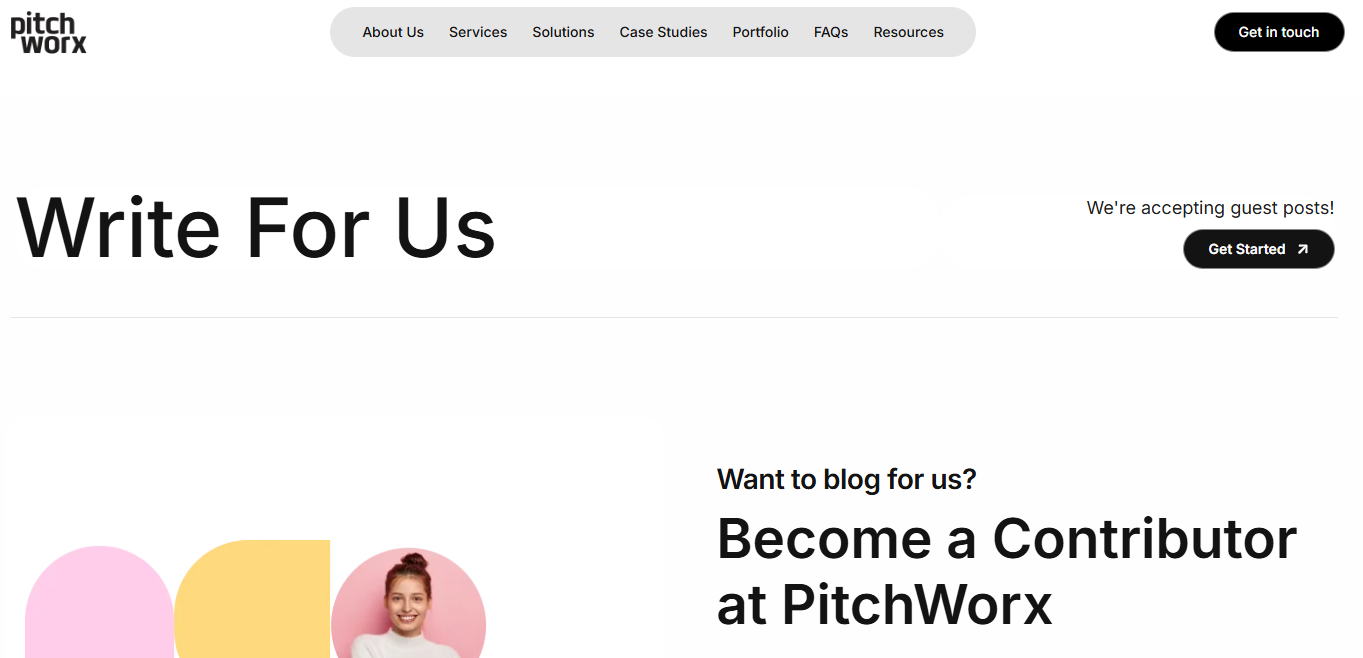
Read how editorial guest posting works for the full mechanics. The short version: pitch sites that publish other guest authors in your space, propose 2 to 3 topic ideas that match their existing coverage, and offer to write something genuinely useful for their readers.
Guest posting fails when sites accept anyone, when posts read like outbound link delivery vehicles, or when authors stuff exact-match anchors into bios. Avoid those sites entirely.
The signal Google rewards is one editorial guest post per month on a site that fits your niche. Not 30 posts per month on a guest-post farm.
3. Broken Link Building
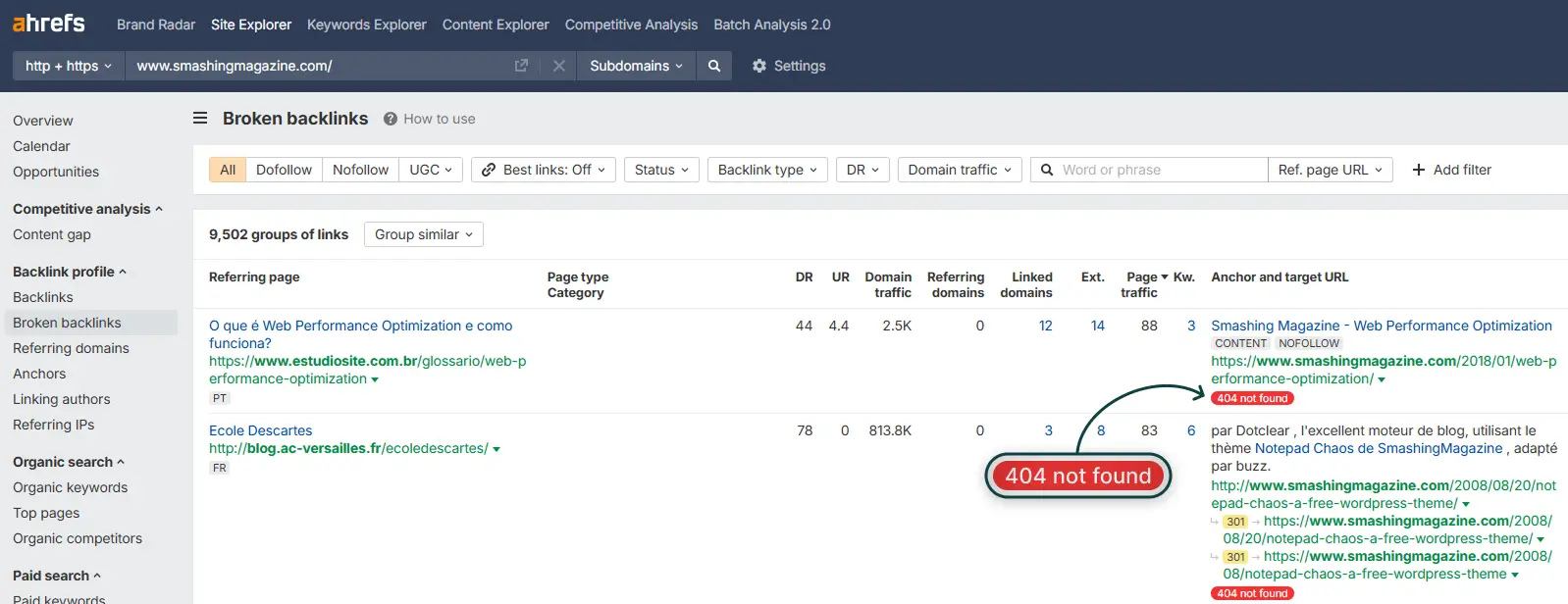
Broken link building means finding a dead link on someone’s resource page or article, then offering your own working content as a replacement.
It works because you’re solving a problem for the site owner, not asking for a favor. Response rates tend to land between 25% and 35%, much higher than standard cold outreach.
Read our guide on finding and pitching broken links for the full tactical depth. The setup: find broken links with Ahrefs Site Explorer (under Backlinks > Broken), or use the free Check My Links Chrome extension to scan resource pages in your niche. When you find a broken link that matches content you already have, send a short email pointing the broken URL out and offering your page as the replacement.
4. Reclaim Unlinked Brand Mentions
Unlinked mentions happen when another site references your brand without linking to you.
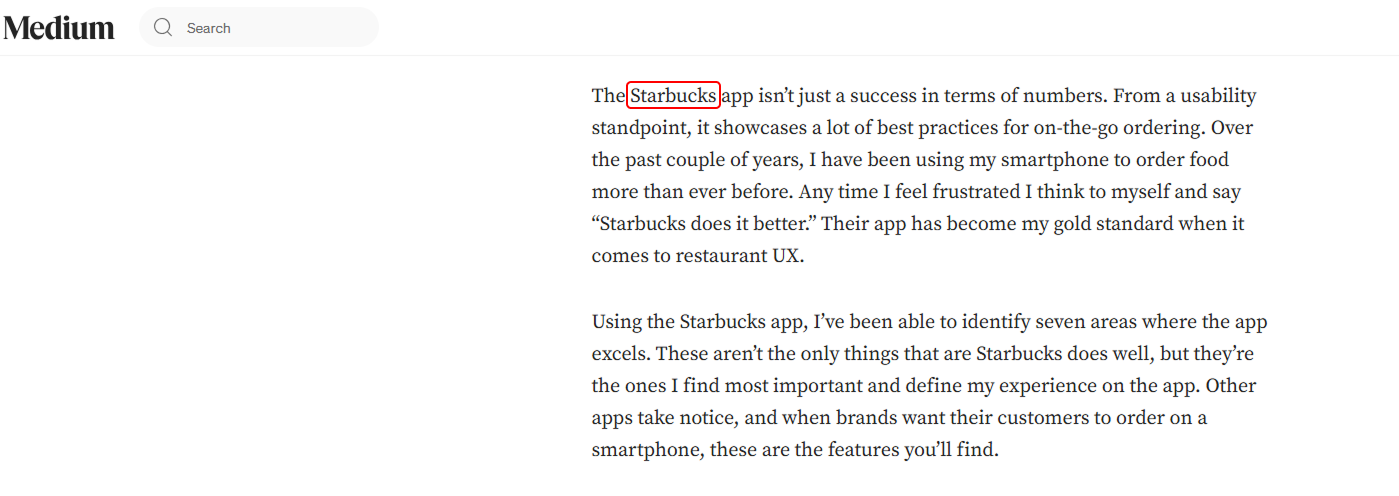
The pattern is common with quote roundups, “tools we use” posts, and journalistic mentions. The author wrote your name, but didn’t link to your homepage.
Set up Google Alerts for your brand name and product names. When you get an alert, check whether the mention includes a link.
If it doesn’t, send a short thank-you email and ask if they’d add the link so readers can find you. The response rate is high, often 40 to 60%.
This is the single best quick-win tactic for any brand that’s been around long enough to get mentioned.
5. Competitor Backlink Analysis
If a site has linked to your competitor, there’s a meaningful chance they’d link to you, given the right pitch.
Open Ahrefs Site Explorer, enter a competitor’s domain, click Backlinks, filter for Domain Rating 30+ and dofollow links, then sort by traffic. The top results are sites worth pitching.
Look for three patterns: sites that link to multiple competitors, sites that link to long-form content in your space, and sites that publish “best tools” or “best guides” roundups in your category. Each pattern suggests a different outreach angle.
This strategy isn’t about copying competitors. It’s about discovering link opportunities you didn’t know existed.
6. Resource Page Outreach
Resource pages are curated lists of useful content, typically maintained by universities, industry blogs, and topic-focused sites.
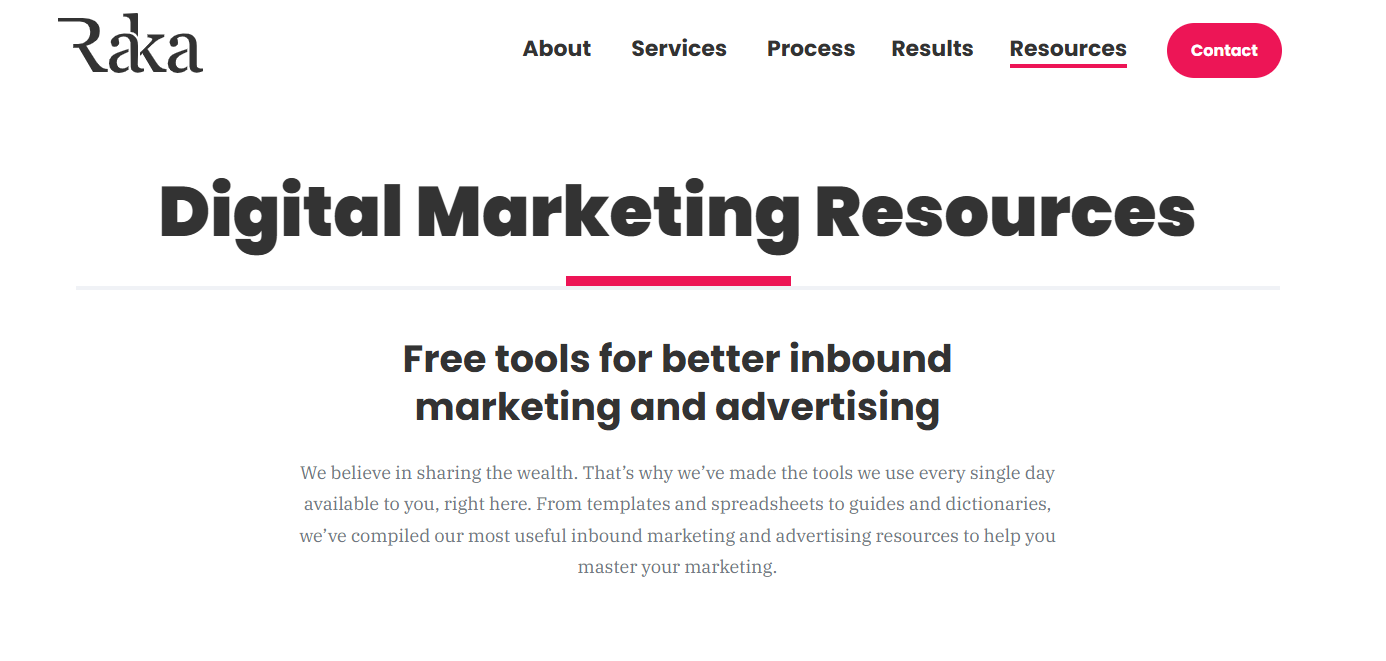
Find them with Google operators like `”your topic” + intitle:resources` or `”your topic” + inurl:links`. Skim each result for relevance. The strongest targets are pages that already link out to similar content and haven’t been updated in 6 to 12 months.
Read our guide on getting listed on resource pages for the pitch templates. The short version: introduce yourself in one sentence, point to the specific resource you’d want added, explain why their readers would benefit, and offer to share the page once they’ve added you.
7. HARO and Expert Quote Platforms
HARO stands for Help A Reporter Out. It’s a platform where journalists post requests for expert quotes, and you respond with insight tied to your domain expertise.

Read pitching journalists through HARO for the full workflow. Other platforms in the same space, including Qwoted and Featured.com, work the same way.
The earning pattern is straightforward. You scan queries each morning, answer the ones where you have genuine expertise, and journalists who use your quote credit you with a link. Success rates run 5 to 10%, but the links land on real news sites with real editorial standards.
8. Digital PR
Digital PR means creating a newsworthy story tied to original data or commentary, then pitching it to journalists.

It’s the highest-ceiling link building tactic. A successful campaign can earn 50 to 200 links from major publications. It’s also the most labor-intensive, with research, data analysis, asset creation, and outreach combining into 60+ hours per campaign.
If you have the bandwidth, the format that works in 2026 is an original data study. Survey 200 to 500 people in your audience, publish the results with charts and a clear angle, then pitch it to 30 to 50 journalists who cover your space.
9. Niche Edits
A niche edit is a link added to an already-published article, placed contextually inside content that already ranks.
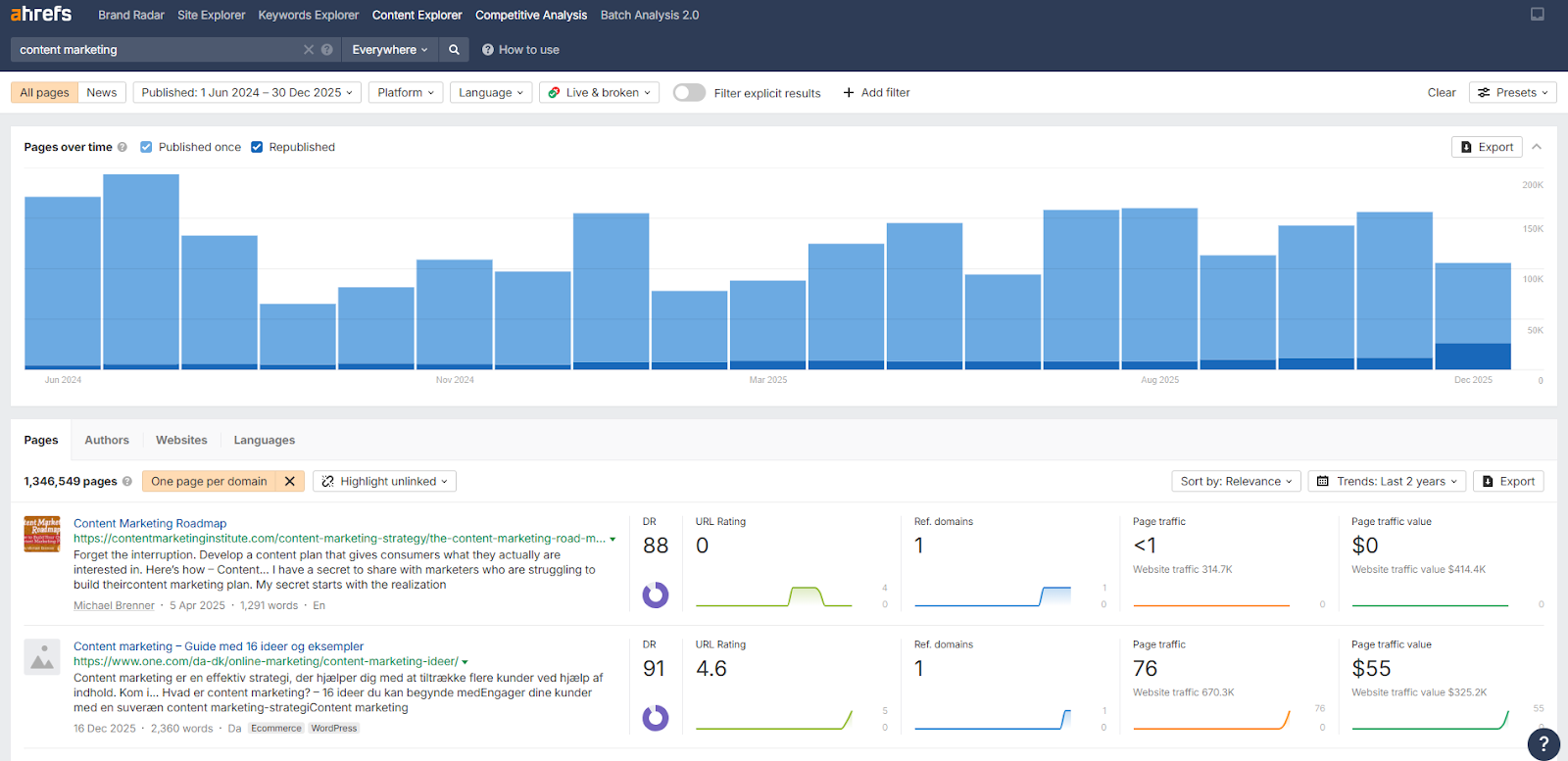
Read how niche edits are placed for the careful version. The key is contextual relevance. A well-placed niche edit on a topically aligned article can outperform 10 low-quality new posts, but a poorly placed one looks manipulative and risks both pages.
Avoid bulk niche edit services that promise placements at scale. The signals they leave behind, including identical link patterns across unrelated sites, exact-match anchor stuffing, and abrupt link insertions in old posts, get pages flagged.
10. Partnerships and Relationship Links
The website owners most likely to link to you are the ones you’ve helped first.
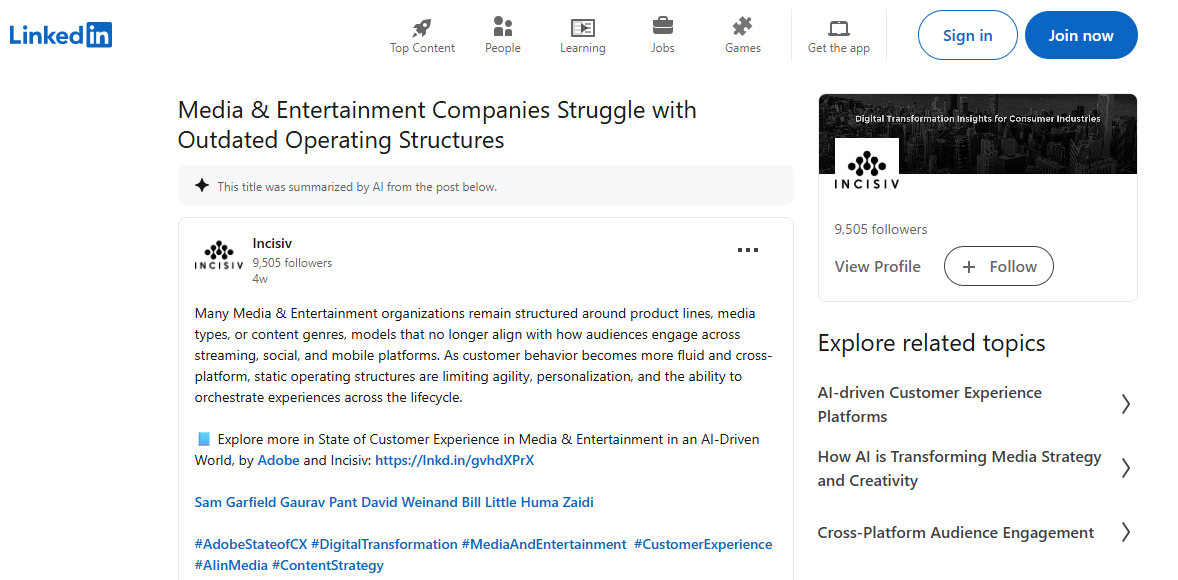
That help can take many forms: sharing their content with your audience, commenting thoughtfully on their posts, mentioning them in your own articles, or inviting them to contribute to yours.
Six months of genuine relationship-building leads to natural link exchanges that no algorithm would flag.
This isn’t a fast tactic. It’s the foundation underneath every other tactic, and it’s why the same 50 people in any niche keep landing each other’s coverage.
11. Reclaim Lost Backlinks
A lost backlink is one you had, then lost.
Common causes: the linking page was updated and your link removed, the linking site went down, the page now returns a 404 error, or the author switched to linking a competitor.
Track lost backlinks in Ahrefs (Backlinks > Lost tab) or Search Console. When a meaningful link disappears, email the site owner and politely ask why it was removed. Half the time the removal was unintentional, and a quick reminder gets the link reinstated.
Link reclamation is one of the highest-success-rate tactics in the table. Set a recurring 30-minute monthly task to scan losses and reach out.
12. Get Featured in Newsletters and Roundups
Newsletter mentions and “best of” roundups remain underused for link building.
The pattern: identify the 10 to 20 newsletters and blogs that publish weekly or monthly roundups in your niche. Build a relationship with each editor. When you publish something worth including, send them a short heads-up with one sentence on why their readers would benefit.
This tactic shines for content brands and SaaS companies with original perspectives. A single mention in a respected newsletter can drive both referral traffic and authority links from readers who quote your work in their own content.
Five More Tactics, and When They Are Worth It
The twelve above cover most programs. Five more come up often enough to deserve a straight answer, usually because someone read that they still work and wants to know whether that is actually true.
Scholarship link building has the widest gap between reputation and reality: the line that decides it is the difference between funding a real scholarship and running a link scheme, and most campaigns land on the wrong side. Web 2.0 backlinks have a narrower problem, only a handful of platforms still get these links indexed at all, so the useful question is which ones are left rather than whether the tactic works.
Podcast link building earns genuine editorial links, but it is priced in pitches rather than dollars, and the pitch volume required is what surprises people. It is also one of the few tactics with an honest case for skipping it entirely. Event link building splits into two very different paths, sponsoring or hosting, and sponsored event links do still count when the event itself is real.
If you sell into more than one country, international link building is where budgets quietly disappear, usually into the translation trap: taking an English campaign and translating it instead of rebuilding it around how that market actually searches.
Choosing Strategies by Business Stage and Goal
The right strategy is almost never the most popular one. It is the one that matches your stage, your authority, and what is already working in your program.
The three questions below are the ones worth answering before doubling down on any of the 12 tactics above.
Best Link Building Strategy by Business Stage
The “best” strategy depends on the stage you are in, not on what the search results claim. A pre-product startup and a $1M-revenue company should not be running the same tactics.
Pre-revenue or pre-product: build one strong linkable asset first. Without something worth linking to, every outreach motion fails. Spend 60 days on a data report, free tool, or deep guide that solves a real problem in your space.
$0 to $100K in annual revenue: unlinked brand mention reclamation paired with resource page outreach. Both compound, and both run in under 5 hours per week.
$100K to $1M in annual revenue: add broken link building and selective guest posting. You have enough content history to make the outreach credible.
$1M and above: layer in digital PR and competitor backlink analysis. The investment per link is higher; the placements come from publications that move both rankings and credibility.
The mistake is skipping stages. The team running digital PR at $50K in revenue usually fails not because the tactic is wrong, but because they have no foundational content to support the outreach.
Authoritative Link-Building Strategies (Tier 1 Sites Only)
For earning links from sites with Domain Rating 70 or higher, the field narrows quickly. Three tactics actually work at that tier.
Digital PR with original research: Tier 1 sites cover stories that have data behind them. A 200-person survey or a proprietary dataset gives journalists at Forbes, Inc, or Search Engine Journal something to cite. Without the data, the pitch fails.
Expert quote platforms like HARO and Qwoted: Tier 1 publications use these because they need expert sourcing fast. Respond to relevant queries with substantive answers, not promotional pitches, and the placements land on publications that move both rankings and credibility.
Broken link building on Tier 1 niche-authoritative sites: big publications get broken outbound links faster than editors fix them. Finding a broken link on a Forbes or Inc article and offering a working replacement is one of the few outreach motions that lands on those sites without an existing relationship.
What does not work at this tier: cold guest post pitches, generic outreach templates, or any tactic that scales by automation. Tier 1 editors recognize template-driven outreach in two sentences.
How to Improve an Existing Link Building Program
If you are already running outreach but rankings are not moving, the diagnosis usually sits in one of three places.
Link quality has plateaued. The first 50 links you earned moved the needle, but the next 100 did not because they came from the same tier of sites. Audit the Domain Rating distribution of your last 30 placements; if more than 60% are below DR 30, the issue is reach.
Anchor distribution is over-optimized. Pull a backlink report and check exact-match keyword usage in anchors. If more than 1 in 5 inbound links uses your target keyword as anchor, Google’s spam systems are throttling you.
Topical fit is missing. Some earned links come from sites with no topical relationship to yours; those links still count, but they do not compound. Audit which sites have sent traffic alongside the link, and the ones that have are your real authority builders.
The fix for any of the three is the same. Stop outreach for 30 days, audit what you have earned, then restart with sharper targeting.
Common Link Building Mistakes That Get Pages De-Indexed
Some link patterns don’t just fail to help. They get pages removed from Google’s index entirely.
Watch for these five patterns and avoid them, no matter how cheap or fast they seem.
Buying Links from Private Blog Networks
A private blog network is a set of websites built primarily to host outbound links to client sites.
Google detects these networks through shared hosting fingerprints, common ownership signals, identical site templates, and unnatural outbound link clusters. When one gets identified, every site linking from it loses the value of those links and often takes a manual penalty.
The cost looks low. The downside is total loss of search visibility for the pages those links pointed at.
For the full breakdown of what black hat link building actually costs and how Google detects each tactic, see our dedicated guide.
Over-Optimized Anchor Text
Exact-match anchors like “best link building services” or “buy backlinks cheap” stuffed into multiple inbound links signal manipulation.
Natural link profiles include a mix: branded anchors (your company name), naked URLs, generic phrases (“learn more,” “this guide”), and partial-match phrases. If 60% of your inbound anchors are exact-match commercial keywords, Google’s spam systems flag the pattern.
The fix is restraint. When you guest post, your author bio uses a branded anchor. When you build resource page links, the anchor reflects the destination page’s title naturally.
Bulk Guest Post Farms
Guest post farms are sites that accept any contributor, publish anything, and exist mainly to sell outbound links.
The patterns are recognizable: hundreds of guest authors per month, content quality far below the niche standard, identical outbound link structures across posts, and frequent appearance on “buy guest posts” marketplaces. Links from these sites do not pass authority in 2026 and often hurt the destination site.
Per Google’s link spam policies, “low-quality directory or bookmark site links” and “keyword-rich, hidden, or low-quality links embedded in widgets” violate the spam policies. Bulk guest post farms fall into the same category.
Doorway-Style “City + Service” Page Spam
Doorway pages are mass-produced landing pages built to rank for variations of the same query, with the same content templated across hundreds of city or vertical combinations.
When these pages also serve as link destinations from low-quality directories, Google removes them in batches. The signal Google looks for: identical templated content, low engagement metrics, and links from spammy sources pointing at every variant.
If you’re considering this pattern, don’t. Consolidate into a single strong service page with real, locally relevant detail instead.
Spammy Directory Submissions
Generic directory submissions stopped working around 2014.
The directories that still earn links in 2026 are vertical-specific (industry associations, professional bodies, niche review platforms) with real editorial review. The ones to avoid are pay-to-submit directories, link farms disguised as directories, and any directory that accepts every submitter without review.
A quick test: would you trust the directory’s recommendations if you were a buyer? If no, skip it.
How to Measure if Your Link Building Is Working
Track the metrics that predict ranking impact, not the ones that look impressive.
Track Referring Domains, Not Raw Backlinks
100 links from 5 sites is weaker than 25 links from 25 sites.
Referring domains, the number of unique sites linking to you, predicts ranking lift more reliably than raw link count. Use Search Console’s Links report or Ahrefs Referring Domains tab to track monthly growth.
Healthy growth for a small site is 5 to 15 new referring domains per month. For a growing site, 20 to 50. For a competitive site with active outreach, 50 to 200.
Track Which Links Actually Moved Keyword Positions
Some links move rankings. Most don’t.
Pair link tracking with position tracking. When a new link lands on a page targeting “your-keyword,” check the keyword’s position 14 and 30 days later.
Links from sites that genuinely cover your topic move positions; links from sites with no topical fit usually don’t.
Over time you’ll learn which types of sites move your needle, and you can focus future outreach on those patterns.
Track Referral Traffic, Not Just Link Count
A backlink should drive both ranking signal and direct visitors.
Check Google Analytics Referrals weekly. The sites sending real traffic alongside the link are the ones that built a genuine audience around content your reader cares about. Those sites are gold for relationship-based future outreach.
If a link sends zero referral traffic for three months, it’s a link to a page no one reads. Worth having for ranking signal, but not worth scaling up that placement type.
A 90-Day Link Building Plan
Here’s what realistic execution looks like.
Days 1 to 30: Foundation and Quick Wins
Set up Google Alerts for your brand name and product names.
Audit your existing pages and pick the 2 to 3 that deserve link building investment first. Run a backlink scan on your 3 closest competitors and export their top 50 referring domains. Set up your outreach tracking (a spreadsheet works; a dedicated outreach tool is better).
Run the unlinked brand mention reclamation cycle weekly. By end of month 1, expect 2 to 5 new links from this tactic alone.
Days 31 to 60: Outreach Engine
Send your first guest post pitches. Send your first broken link building pitches. Identify 20 resource pages in your niche and pitch 5 per week.
By end of month 2, expect your first 1 to 3 guest post placements landing, 1 to 2 broken link replacements live, and your first resource page additions accepted. Total: 5 to 15 new links across the month.
Days 61 to 90: Compounding
Layer in HARO responses. Pitch your strongest content to newsletter editors. Start one digital PR experiment if you have the bandwidth.
By end of month 3, the links from months 1 and 2 are showing up in your rankings, your outreach engine is producing 10 to 20 new placements per month, and your authority is starting to compound. This is the inflection point most teams quit before.
Push past it. The teams that ship for 90 straight days are the ones sending screenshots of page-one rankings in month 4 and beyond.
Frequently Asked Questions
What’s the Best Link Building Strategy for Beginners?
The best link building strategy for beginners is reclaiming unlinked brand mentions, paired with resource page outreach.
Both tactics need minimal tools, deliver visible results inside 30 days, and don’t risk site penalties. Once those two are running, layer in guest posting around month 2.
Most beginners try too many tactics at once and finish none. The fix is to pick 2 and run them for 90 straight days.
How Long Does Link Building Take to Show Results?
A realistic timeline for measurable link building results runs 60 to 120 days.
You’ll start landing placements in week 4 of an active campaign. Rankings tend to move 30 to 45 days after links go live, as Google re-crawls and re-evaluates your pages. By day 90, you should see both link count growth and keyword position improvements on the pages you targeted.
If you’re seeing zero movement at day 120, the issue is usually link quality (sites without real topical fit) or anchor distribution (too many exact-match anchors). Audit before quitting.
Is Buying Backlinks Ever Safe in 2026?
Buying backlinks at scale is not safe in 2026.
Google’s spam policies explicitly classify “exchanging money for links” as a link spam violation. The cost can include manual penalties, algorithmic suppression, or full removal from the index.
The exception is paid placements properly marked with `rel=”nofollow”` or `rel=”sponsored”` attributes, which Google treats as legitimate sponsored content. If you’re paying for visibility on a real publication, mark it correctly. Don’t pretend it’s an editorial link.
See our link building pricing guide for what fair editorial outreach actually costs.
How Many Backlinks Do I Actually Need to Rank?
The number of backlinks needed to rank depends on the keyword’s competition, not on a universal target.
For low-competition keywords, you can rank with 5 to 20 strong referring domains. For mid-competition keywords, 30 to 100. For high-competition commercial keywords, 200+ from genuinely authoritative sites.
The faster path to ranking is targeting keywords where the current top-10 pages have fewer than 50 referring domains. Out-link the weakest result, ship better content, and you rank.
What’s the Difference Between Link Building Strategies and Tactics?
A link building strategy is the overall approach. A tactic is the specific action.
“Build authority in the SaaS marketing niche” is a strategy. “Pitch one guest post per week to SaaS marketing publications” is a tactic.
Strategies set direction; tactics execute against that direction.
Most teams confuse the two and end up with 12 tactics and no strategy. Pick the 2 tactics that fit your situation, name the strategy they’re serving, and ship.
What Counts as a High-Quality Backlink?
A high-quality backlink is a link from a topically relevant site with genuine traffic, real editorial standards, and a clean backlink profile of its own.
Three signals to check: the linking page covers a subject related to yours, the linking site has real organic traffic (check it in Ahrefs or SEMrush), and the link sits inside body content rather than in a footer or sidebar. When all three are present, the link passes meaningful authority.
Domain Rating alone doesn’t qualify a link. A Domain Rating 80 site with no topical fit often passes less authority than a Domain Rating 35 site that genuinely covers your niche.
The Honest Take
Most teams that start link building see their first wins in month 1, lose momentum in month 2, and quit before month 3.
The ones that don’t quit have two things in common: they picked the 2 strategies that actually fit their situation, and they ran them for 90 straight days before evaluating.
If you’re starting this week, set up brand alerts, pick 3 resource pages to pitch, and find 5 broken links you can replace. Don’t add a third tactic until those three are routine.
Come back at day 90 and measure what changed.